




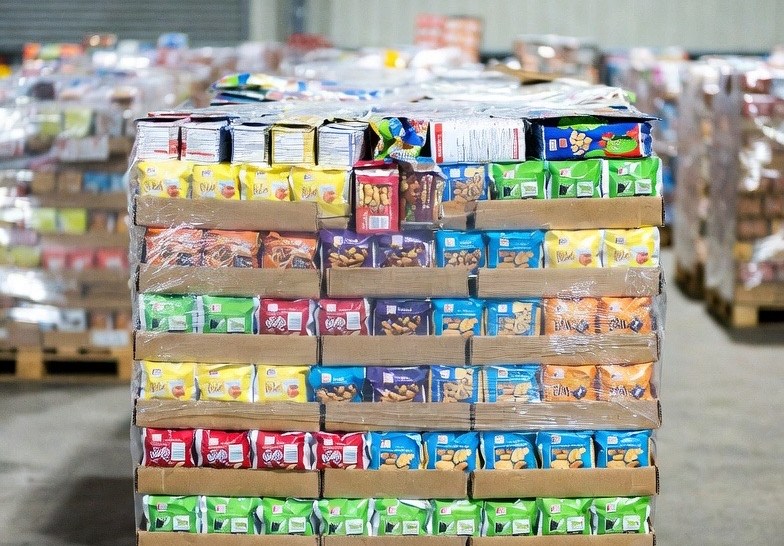
The freight market is no stranger to disruptive forces — tariffs, recessions, weather, economic fluctuations, and capacity crunches have all reshaped freight demand over the years. But a new contender is emerging from an unexpected corner: the widespread adoption of GLP-1 medications (think Ozempic, Wegovy, Mounjaro, and similar GLP-1 receptor agonists).
These drugs, originally developed for diabetes management and now massively popular for weight loss, suppress appetite and reduce overall caloric intake. Early estimates suggest that even at current penetration levels — roughly 12% of U.S. adults — the downstream effect on food and beverage demand could be substantial.
Recent analyses, drawing from academic studies out of Purdue, Cornell, and others (including 2025 updates), point to an approximate 3% drop in total caloric food demand due to appetite suppression. That may sound modest, but in the context of America’s food supply chain, the numbers scale quickly.
U.S. trucks move more than 2 billion tons of food and beverages annually. At an average payload of around 20 tons per truckload, that’s roughly 100 million+ truckloads per year dedicated to food and bev freight.
Apply a 3% reduction across that volume, and you’re looking at approximately 3 million fewer truckloads annually.
To put that in perspective: the proposed Union Pacific–Norfolk Southern merger — one of the most significant potential rail consolidations in recent memory — is projected by some analysts to divert around 2 million truckloads off the road over time through improved intermodal efficiency and rail capture.
In other words, GLP-1 adoption, at its current (and still growing) level, could already eclipse that rail merger’s expected impact on truckload volumes — and we’re only in the early innings of penetration.
The categories hit hardest align with classic “snack-and-beverage” freight lanes:
- Processed snacks and beverages: user spending down 7-11% among adopters
- Alcohol: significant volume reductions
- Refined grains and similar carb-heavy products
Fresh produce and proteins appear more resilient, with some evidence of slight upticks in mix as consumers prioritize nutrient-dense foods even while eating less overall. Beer, as one slice of the broader beverage decline, fits squarely in the crosshairs.
This isn’t just theoretical. Real-world freight signals are beginning to whisper the trend: softer reefer and dry van demand in certain consumer packaged goods (CPG) segments, anecdotal reports from brokers of lighter loads in snack-heavy lanes, and early category-specific volume softness that doesn’t fully align with broader economic headwinds.
Of course, counterbalancing forces exist. Construction of new pharmaceutical manufacturing facilities (for GLP-1 production itself) is generating significant truckloads today. Food conglomerates may reformulate products to better appeal to GLP-1 users, potentially offsetting some losses. And broader demographic trends — including slower population growth — exert their own downward pressure on total consumption.
But the core math is hard to ignore: a structural reduction in caloric intake at scale translates directly into fewer pallets, fewer loads, and ultimately fewer miles for truckers hauling America’s food supply.
For carriers, brokers, and shippers, this represents both risk and opportunity. The biggest losers may be those heavily exposed to discretionary, high-calorie categories. Winners could include haulers of fresh/perishable goods, health-focused CPG, and — ironically — the specialized logistics supporting the pharmaceutical boom.
The freight market has always been shaped by macroeconomic forces, policy shifts, and technology. Now add public health trends to the list. GLP-1s aren’t just rewriting waistlines, they’re changing freight demand.
Brokerage Compliance Symposium
The day before F3. Every compliance issue you face - fraud exposure, carrier liability, FMCSA rules, cargo theft, insurance gaps - navigated by attorneys and operators defining best practices in a changing industry.
F3 Awards Dinner
The night before F3. FreightTech100 companies honored. FreightTech 25 and Shipper of Choice winners revealed live. Cocktail reception into dinner and live music - 300 industry leaders in one purpose-built room.
F3: Future of Freight Festival
Industry-defining keynotes, rapid-fire technology demos, and industry leaders networking in experiences across Chattanooga - plus the inaugural F3 Awards Dinner featuring the FreightTech and Shipper of Choice reveals.
The day before F3. Every compliance issue you face - fraud exposure, carrier liability, FMCSA rules, cargo theft, insurance gaps - navigated by attorneys and operators defining best practices in a changing industry.
The Signal at Chattanooga Choo Choo • Chattanooga, TN Register NowThe night before F3. FreightTech100 companies honored. FreightTech 25 and Shipper of Choice winners revealed live. Cocktail reception into dinner and live music - 300 industry leaders in one purpose-built room.
The Signal at Chattanooga Choo Choo • Chattanooga, TN Register NowIndustry-defining keynotes, rapid-fire technology demos, and industry leaders networking in experiences across Chattanooga - plus the inaugural F3 Awards Dinner featuring the FreightTech and Shipper of Choice reveals.
The Signal at Chattanooga Choo Choo • Chattanooga, TN Register Now