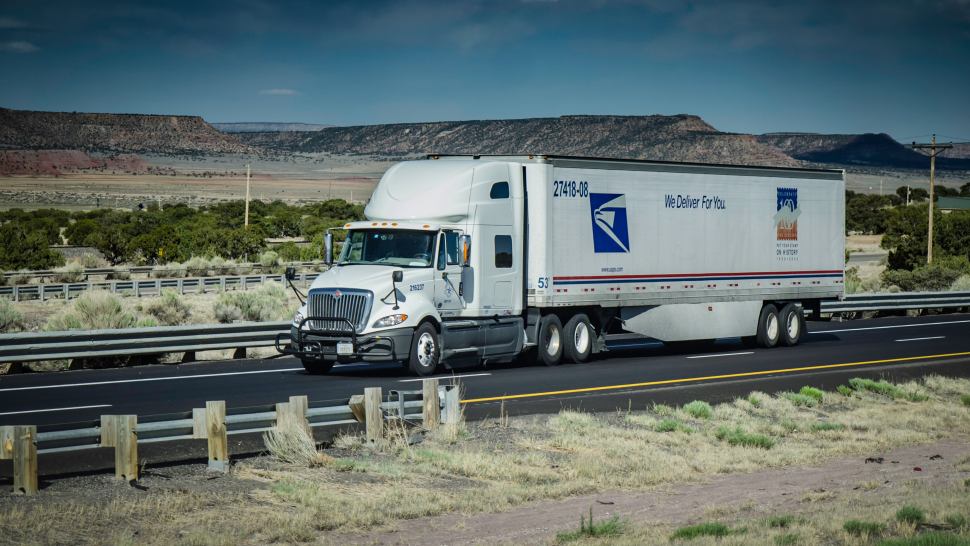
The U.S. Postal Service said Monday it has completed a near two-year project to install 249 package processing machines nationwide.
The new machines, 137 of them installed so far in 2022, will boost the Postal Service’s daily peak-season parcel processing capacity to 60 million pieces. That’s compared to 53 million pieces during the 2021 peak, the agency said.
The Postal Service move, along with additional capacity that FedEx Corp. (NYSE: FDX), UPS Inc. (NYSE: UPS) and the myriad regional delivery carriers are bringing online, means delivery networks will have enough capability to handle 118 million parcels per peak day, according to estimates from consultancy ShipMatrix Inc.. The Postal Service handled 38 million daily parcels during the 2020 peak and 34 million in the 2021 cycle.
ShipMatrix anticipates that 2022 holiday demand will be around 90 million parcels per day. Unless demand unexpectedly spikes over the holidays, carriers will be hit with a huge oversupply of capacity that will drive up their operating costs and impact profits, the firm said.
The consultancy expects a relatively muted peak season for deliveries as more consumers shop in stores and high inflation and recessionary concerns restrain consumer spending in general.
The Postal Service began the installation at the start of 2021 as part of its 10-year “Delivering for America” modernization initiative. The agency will spend about $40 billion on new facilities and technology as part of the effort.
The final five package sorting machines were installed in Lafayette, Indiana; Orlando, Florida; Lake Havasu City, Arizona; Erlanger, Kentucky; and Lynchburg, Virginia.
F3: Future of Freight Festival
Industry-defining keynotes, rapid-fire technology demos, and industry leaders networking in experiences across Chattanooga - plus the inaugural F3 Awards Dinner featuring the FreightTech and Shipper of Choice reveals.
Industry-defining keynotes, rapid-fire technology demos, and industry leaders networking in experiences across Chattanooga - plus the inaugural F3 Awards Dinner featuring the FreightTech and Shipper of Choice reveals.
The Signal at Chattanooga Choo Choo • Chattanooga, TN Register Now