




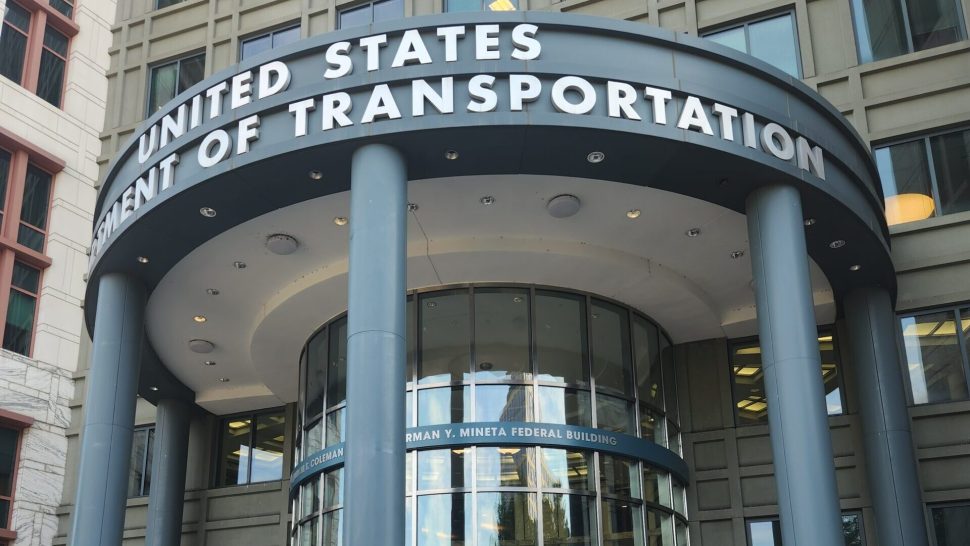
WASHINGTON — The U.S. Department of Transportation is planning a five year strategy update for improving the nation’s transportation system that’s expected to take a sharp turn away from the previous plan in how DOT prioritizes freight.
Congress requires DOT and other federal departments to update a multi-year strategic plan every four years. The plan for fiscal years 2026-2030, which the department wants to publish in February, is seeking public comment on four questions:
- What strategies or priorities should the DOT adopt to improve the nation’s transportation systems?
- How should DOT measure progress towards those priorities?
- What emerging challenges or opportunities in transportation warrant additional DOT activities, investments, research, or analysis?
- How can DOT best create value for its activities with stakeholders?
The Covid-19 pandemic gave freight goods movement a more prominent role in the 2022-2026 strategy under the Biden Administration than it had under the 2018-2022 plan under the first Trump administration because of the need to address supply chain disruptions.
But the previous strategy also linked freight and supply chain resiliency to broader themes such as climate change, sustainability, and social equity – and the administration has been clear about deemphasizing or canceling such policies.
Transportation Secretary Sean Duffy announced last month, for example, that the administration will not enforce diversity, equity and inclusion (DEI) policies or climate goals when awarding infrastructure grants.
“The public wants to see their hard-earned dollars going towards safety and efficiency standards – not woke DEI or American energy-killing ideas,” Duffy said in a press release.
The administration separately is updating a national freight strategy to address new policy priorities, including the effects of emerging technology and regulatory barriers to improving freight flow. Public comments on that information request are due by Thursday.
Related articles:
Brokerage Compliance Symposium
The day before F3. Every compliance issue you face - fraud exposure, carrier liability, FMCSA rules, cargo theft, insurance gaps - navigated by attorneys and operators defining best practices in a changing industry.
F3 Awards Dinner
The night before F3. FreightTech100 companies honored. FreightTech 25 and Shipper of Choice winners revealed live. Cocktail reception into dinner and live music - 300 industry leaders in one purpose-built room.
F3: Future of Freight Festival
Industry-defining keynotes, rapid-fire technology demos, and industry leaders networking in experiences across Chattanooga - plus the inaugural F3 Awards Dinner featuring the FreightTech and Shipper of Choice reveals.
The day before F3. Every compliance issue you face - fraud exposure, carrier liability, FMCSA rules, cargo theft, insurance gaps - navigated by attorneys and operators defining best practices in a changing industry.
The Signal at Chattanooga Choo Choo • Chattanooga, TN Register NowThe night before F3. FreightTech100 companies honored. FreightTech 25 and Shipper of Choice winners revealed live. Cocktail reception into dinner and live music - 300 industry leaders in one purpose-built room.
The Signal at Chattanooga Choo Choo • Chattanooga, TN Register NowIndustry-defining keynotes, rapid-fire technology demos, and industry leaders networking in experiences across Chattanooga - plus the inaugural F3 Awards Dinner featuring the FreightTech and Shipper of Choice reveals.
The Signal at Chattanooga Choo Choo • Chattanooga, TN Register Now