




Stuart Chirls
Tuesday, April 21, 2026
Trans-Pacific container rates rise, but there’s a catch
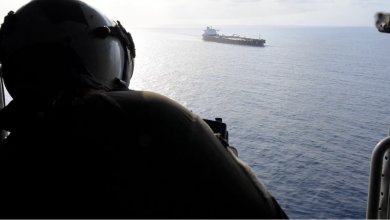
Persian Gulf vessel traffic still at a trickle as the U.S. presses a blockade of the Strait of Hormuz.
Persian Gulf vessel traffic still at a trickle as the U.S. presses a blockade of the Strait of Hormuz.
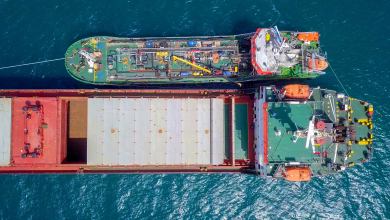
Surging costs after Russia’s invasion of Ukraine could be a taste of things to come as shipping transitions to more expensive “green” fuels.
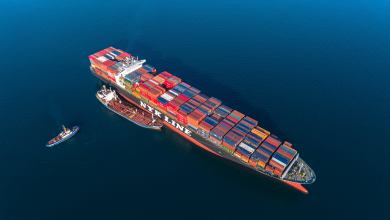
The cost of marine fuels is down sharply from the wartime peak, except for ‘clean’ LNG, which is getting even more expensive.
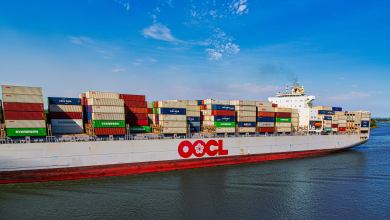
OOIL reports record revenue but has “legitimate concerns about the impact of inflation and interest rate rises on consumer spending.”
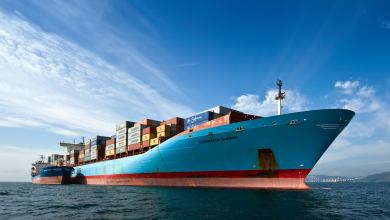
It took longer than expected, but the IMO 2020 investment pitch — save on ship fuel by installing scrubbers — is paying off big time.
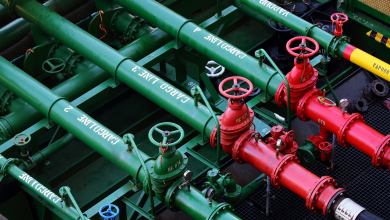
The cost of ship fuel looks like it’s about to topple records set in 2012 and 2008.
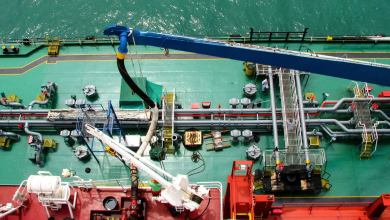
Cost of fuel consumed by container ships, bulkers and tankers is effectively at a seven-year high.

Rising fuel costs are yet another woe for containerized cargo shippers, while widening spreads should benefit ships with scrubbers.
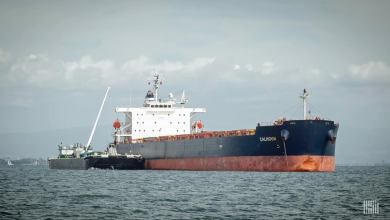
California will boost testing procedures to enforce distillate fuel regulations.

Ships found carrying noncompliant fuel risk detention, monetary penalties.
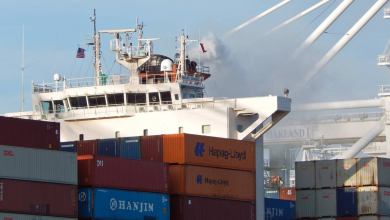
Ship owners failing to prove compliance face criminal fines and penalties.
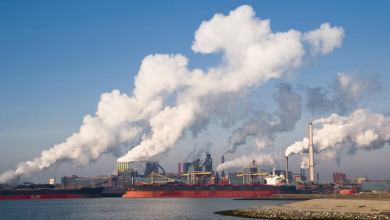
U.S. Sen. Lisa Murkowski, says many analysts believe the impacts of IMO 2020 will be less than what was projected just a year ago.
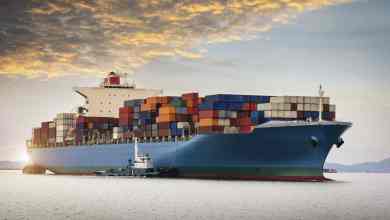
With less than a month until the IMO 2020 regulations go into effect, Ben Thrower writes about the impacts about to hit the maritime industry, importers/exporters and consumers.
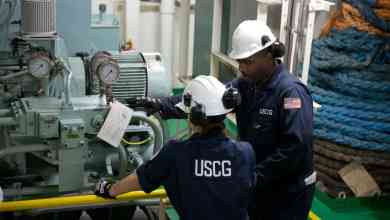
Billions of dollars in fuel costs at stake for containership owners.
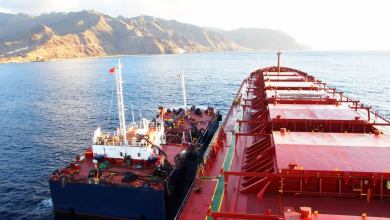
New freight indices provide visibility on potential earnings premiums of scrubber-equipped vessels.
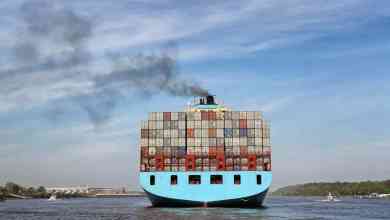
European shippers have joined with leading container line analyst Drewry to bring order to the “who pays what” implementation of IMO low-sulfur fuels.
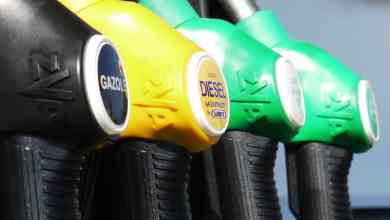
U.S. trucking operators, heed this warning from Asia. Maritime experts say that after the IMO 2020 deadline, fuel availability will be uncertain, scrubbers won’t work, stockpiles will “evaporate” and fuel prices will “go through the roof”.

FIATA warns that higher air, ocean and trucking fuels costs will be passed directly on to customers.

If not enough 0.5% low sulfur fuel is available after Jan. 1. 2020 ships may resort to using more expensive 0.1% sulfur fuel used today in emission control areas.
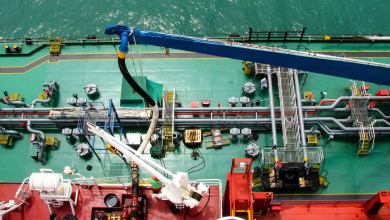
Suppliers, traders and ship operators will need to increase credit lines and be more diligent about counterparty risk.