




Eric Kulisch
Thursday, October 19, 2023
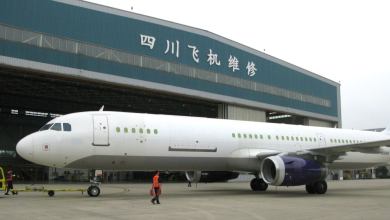
China approves first A321 cargo conversion for Sichuan Airlines
The first Airbus A321 converted freighter has been cleared by authorities to begin commercial service in China.
The first Airbus A321 converted freighter has been cleared by authorities to begin commercial service in China.
By employing the China Plus One strategy, companies can hedge against the headwinds they are facing in China while still benefiting from the country’s wealth of resources and well-established supply chain processes.

Daimler Truck, Paccar and Cummins are forming a joint venture with a Chinese battery maker to onshore battery cell production in the U.S.
The global coal trade is thriving, with dry bulk ships busy carrying the loads. As the West consumes less coal, Asia buys even more.

To view more FreightWaves infographics, click here
Asian demand for propane continues to build, as does US supply, equating to booming business for LPG tanker owners in the middle.
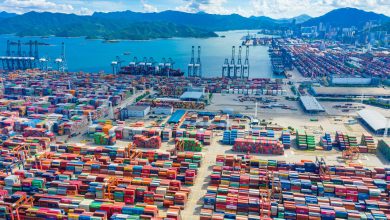
Declining demand for Chinese exports and reduced stimulus options threaten bulk commodity import prospects.

The end of a 40-year economic boom cycle and America military strategy are combining to make China less fearsome than global impressions.
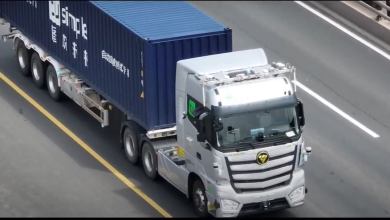
Autonomous trucking software developer TuSimple completed a driverless truck pilot on a U.S. highway in 2021. Now it has done it in China.
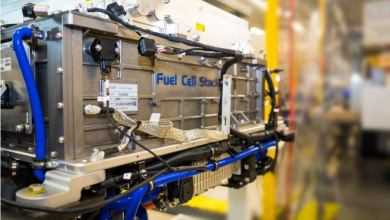
Hyzon Motors is not out of the woods yet, but it is current on required financial filings and has streamlined its fuel cell business.
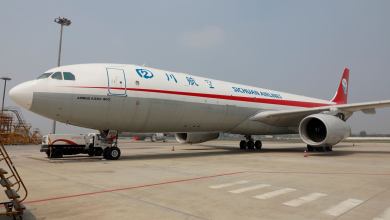
Airbus has reached another milestone with its young A330 passenger-to-freighter program.
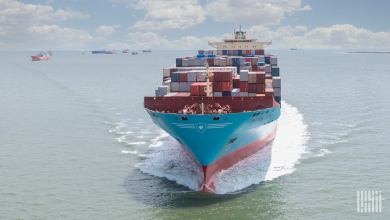
America’s imports are not signaling a recession, at least not yet. Inbound volumes are rising from the bottom.
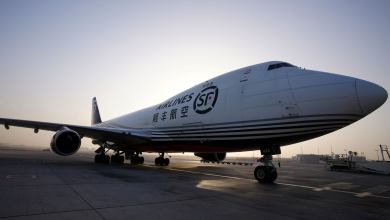
Etihad Airways in Abu Dhabi and SF Airlines in China are helping each other expand globally by providing ground services for the other at their main freighter hubs.
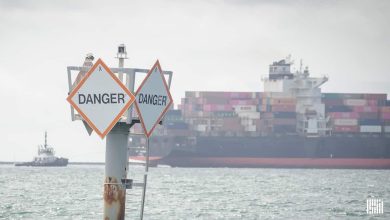
There is growing sentiment that higher trans-Pacific spot rates will not hold and prospects for shipping lines remain weak.
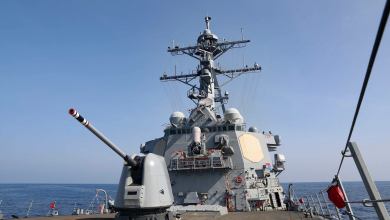
“We are starting to see ocean carriers systematically take geopolitical risk into consideration,” says Xeneta’s Erik Devetak.
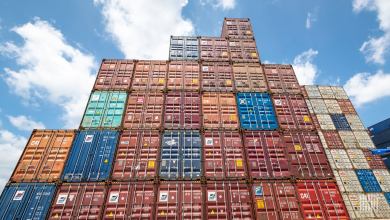
Although import volumes show signs of a nascent recovery, the inventory overhang remains daunting.

Worsening China-U.S. relations underscore how pivotal geopolitics has become to global shipping and trade.
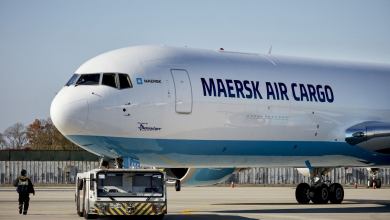
Maersk is rapidly expanding from a pure ocean carrier to a cargo airline. The latest move is the establishment of new routes between the U.S. and China.

Chinese automaker Jetour announces $3B electric vehicle assembly plant in Mexico.

Transportation infrastructure across the U.S. is woefully underprepared to support manufacturers, retailers and logistics companies in navigating the new consumer landscape.