Today’s Pickup: Spooked about midterms and economic volatility?
Will fundamental policy changes happen over the next two years leading up to the general election regardless of which party wins out?
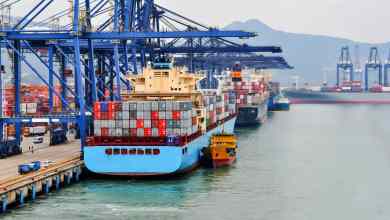
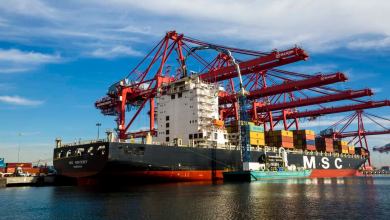
Capacity constraints, strong demand, and chaotic tariff-related traffic pushed transpacific containers rates to new heights, but the current inbound container surge, unrelated to consumer demand, will create a steeper drop off in Q1 2019.
Trump government looks to phase out IMO2020 sulfur cap regulations; Shanghai Composite Index crashes by 3%; Amazon revisting cities for finalizing HQ2.
Continuing efforts to fight what he says are unfair trade practices, the administration of President Donald Trump announced the U.S. will pull out of the Universal Postal Union (UPU) treaty, which sets how much can be charged for international shipping.
$200B of tariffs imposed on Chinese imports today; the 4PL era is here; China cancels further trade talks; Germany’s maritime fleet shrinks by 1/3; air cargo not yet feeling tariff pain; oil rallies.
North Carolina, the second largest hog producing state, has concentrated its pig farms in the southern coastal region, precisely where Hurricane Florence made its most severe flooding impacts.
Utility solar projects see growth as prices of imported Chinese solar panels fall despite Trump tariffs; no-deal Brexit could see higher mortgage rates even if housing prices tumble; Chinese car market is weakening and it is troubling major-OEMs.
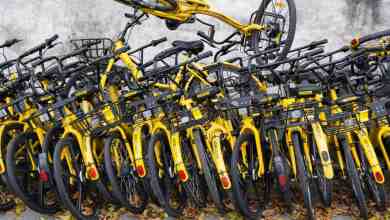
China has toyed with the concept of bike-sharing but met with disastrous results due to an unsustainable business model and excessive dumping of bikes on the streets. The U.S. bike-sharing startups could take a leaf out of their book and improvise accordingly.
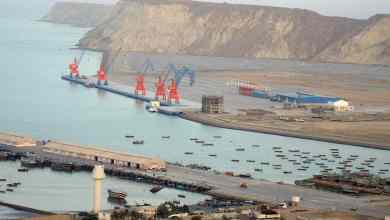
There’s mounting pushback among developing nations that China’s ambitious infrastructure project, the Belt and Road Initiative, is a debt trap. Countries using Chinese financing have seen public debt soar to unsustainable levels, and they’re increasingly worried about asset seizures.
Ports of LA and Long Beach have reduced emissions by replacing diesel-run equipments with zero-emission engines; oil prices rise over signs of U.S. sanctions on Iran; warehousing workers salaries have seen good increases over the last three years.
Unilever, the massive Rotterdam-headquartered company that brings beauty, personal care, and food products to over 2.5 billion people daily, has partnered with JD.com, an e-commerce giant based in Beijing, to expand its reach in China.
The lira is down more than 40% this year, battered by concerns about the North Atlantic Treaty Organization member’s political and economic stability and a continuing trade tensions with the U.S.
Chinese oil and PNG demand is hitting the roof; EU is interested in buying U.S. PNG supply; trade tariffs on China might end up increasing cost of fish in the U.S.
Redwood Logistics recently announced the launch of Redwood Mexico, a new service aimed at untangling the complicated process of shipping to and from Mexico.
Oil production faces volatile times, as multiple OPEC countries witness geopolitical problems and unstable governments, leading to the possibility of yet another rise in fuel prices.
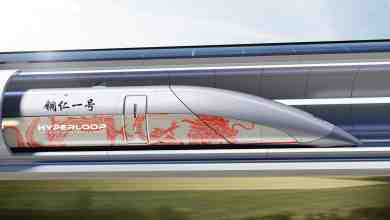
Hyperloop Transportation Technologies (HTT) has inked a deal with the province of Guizhou for creating China’s first commercial hyperloop track.
The rate of rejected loads coming out of LA inched upward, signaling that the July ‘mellowing’ period may be over. Container rates from China to North America’s West Coast stayed elevated for the second week in a row, and containership idle capacity is at 1%.
Autonomous vehicle execs want you to know self-driving cars are very, very safe; China’s economic growth slows; Elon Musk talks about Tesla’s push to 5,000 Model 3s weekly; American oil bound for China needs to find new markets; DHL orders 14 Boeing 777s.
New icebreaking LNG carriers are sailing directly from Russia to China through the Northern Sea Route, creating a faster, cheaper connection between some of the world’s largest gas fields and the world’s largest gas consumers.
By far the most significant partnership came last month when Kroger said it would work with U.K. online supermarket Ocado.