




Good day,
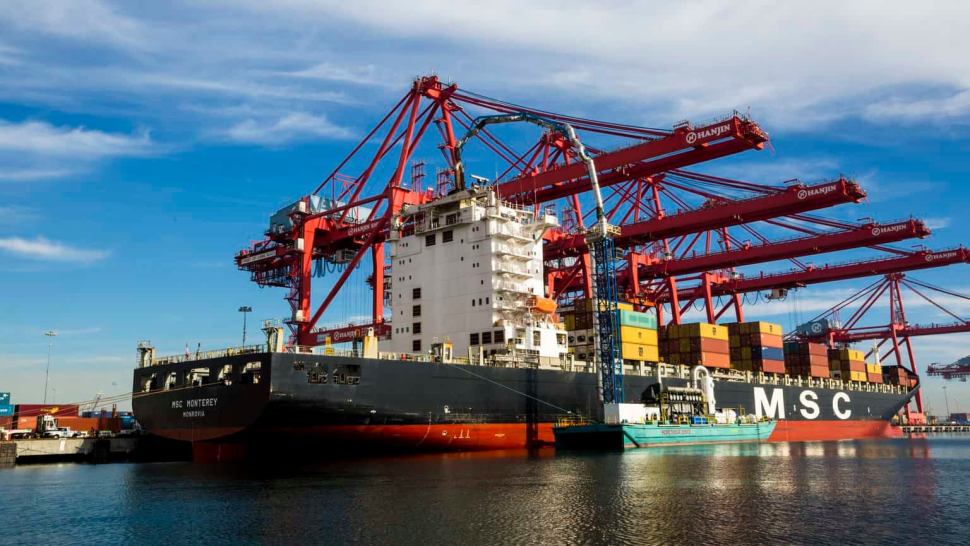
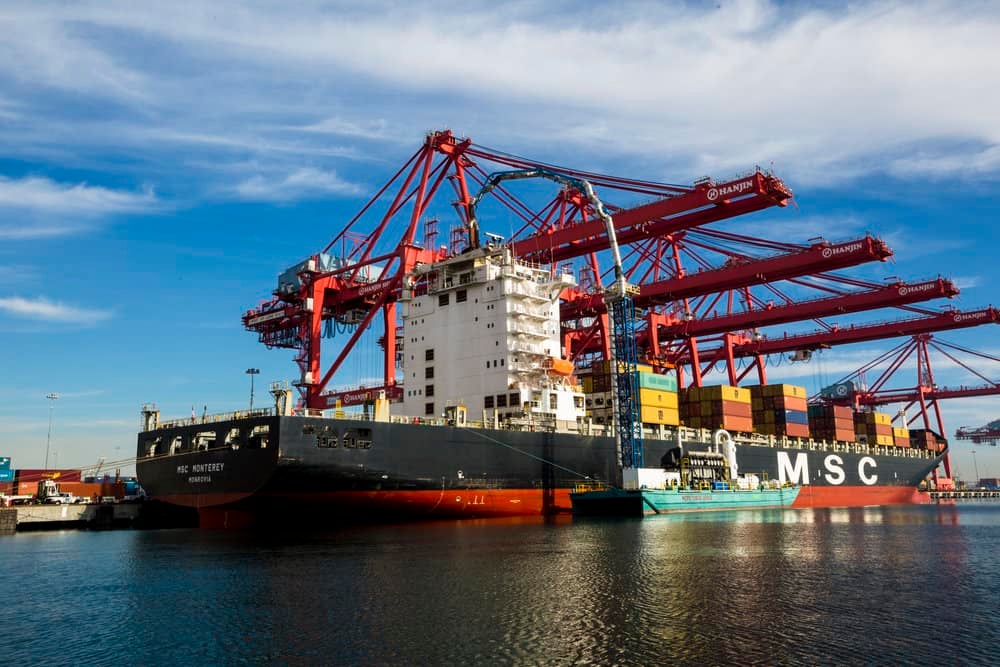
Neighborhoods surrounding transportation hubs like ports and airports have been found to breathe in much higher pollution levels than the ones which lie farther away. The West Coast has fought with this problem for decades, as the ports of Los Angeles and Long Beach became the largest container ports in the U.S., exponentially degrading air quality in California. In 2015, it was estimated that port-related emissions accounted for nearly 10% of all the smog-forming emissions in the South Coast air basin.
News coming in this week from the ports of LA and Long Beach reveals that the hubs to have bucked the trend by showing a steady decrease in air pollution emissions from port operations – even as cargo volumes kept spiralling up over the year. This can be attributed to the conscious efforts of the port in replacing diesel-run cargo handling equipments with zero-emissions engines and providing cleaner and more fuel-efficient drayage trucks.
Data from the port of LA and Long Beach showed a 60% and 56% reduction in nitrogen oxide emissions from 2005 to 2017, while particulate matter emissions went down by a whopping 87% and 88% respectively.
Did you know?
The amount of freight moved by the for-hire trucking industry in July, as measured by the American Trucking Associations monthly Truck Tonnage Index, rose 1.9 percent from June. Year over year, compared to last July, the index was up 8.6 percent. Year-to-date, compared with the same period last year, tonnage increased 8 percent, far outpacing the annual gain of 3.8 percent in 2017.
Quotable:
“As trade rhetoric continues to grow negative and trucking capacity remains tight, you have beneficial cargo owners and forwarders shipping earlier this year and wondering whether they will have to rely on expensive air cargo to fill their shelves.”
– Patrick Duffy, research director of American Shipper on the peak shipping season
In other news:
Oil up as U.S. sanctions on Iran cloud supply outlook
Oil prices rose on Friday, supported by signs that U.S. sanctions on Iran are already reducing global crude supply. (Reuters)
Retailers Plead For Rejection Of $200B In Chinese Tariffs; Say Would Cost U.S. Consumers $6B
The National Retail Federation today urged the Office of the U.S. Trade Representative to reject tariffs on $200 billion of Chinese goods and released a new study that found tariffs on furniture and travel goods from China would cost American consumers nearly $6 billion a year. (The Trucker)
Anxious Hamburg lags further behind rival ports as it waits for a deeper Elbe
The port of Hamburg is continuing to lose ground to its North European container competitors, with another year-on-year decline in first-half results. (Loadstar)
ELD rules stoke NY-NJ chassis ownership, leasing
The merits of owning a chassis vary, depending on individual business models, but there is one aspect of the electronic logging device (ELD) mandate that provides an advantage for those truck drivers who are chassis-ready, for example via ownership. (JOC)
Shanghai Shipyard to suspend operations
One of China’s oldest shipbuilders, Shanghai Shipyard, is going to suspend operations by the end of this year due to a lack of orders. (Splash247)
Final Thoughts:
Warehousing employees are finally seeing their wages increase after about a decade of stagnation, but job security remains a concern nonetheless. The possibility of automation in warehousing looms – a prospect that would see workers being phased out and replaced with machines that can work more efficiently and without a break.
But for now, as unemployment levels are seeing record lows, workers are having a good time with companies fighting to retain talent by providing paid time off, opportunities for promotion, shift preferences, and extended benefits. A warehouse opinion survey carried out by Prologistix this year concludes that $12 per hour is the bare minimum wage that is being offered to warehouse employees with the wage curve seeing a steep rise since 2015.
Hammer down, everyone!
Stay up-to-date with the latest commentary and insights on FreightTech and the impact to the markets by subscribing.
Brokerage Compliance Symposium
The day before F3. Every compliance issue you face - fraud exposure, carrier liability, FMCSA rules, cargo theft, insurance gaps - navigated by attorneys and operators defining best practices in a changing industry.
F3 Awards Dinner
The night before F3. FreightTech100 companies honored. FreightTech 25 and Shipper of Choice winners revealed live. Cocktail reception into dinner and live music - 300 industry leaders in one purpose-built room.
F3: Future of Freight Festival
Industry-defining keynotes, rapid-fire technology demos, and industry leaders networking in experiences across Chattanooga - plus the inaugural F3 Awards Dinner featuring the FreightTech and Shipper of Choice reveals.
The day before F3. Every compliance issue you face - fraud exposure, carrier liability, FMCSA rules, cargo theft, insurance gaps - navigated by attorneys and operators defining best practices in a changing industry.
The Signal at Chattanooga Choo Choo • Chattanooga, TN Register NowThe night before F3. FreightTech100 companies honored. FreightTech 25 and Shipper of Choice winners revealed live. Cocktail reception into dinner and live music - 300 industry leaders in one purpose-built room.
The Signal at Chattanooga Choo Choo • Chattanooga, TN Register NowIndustry-defining keynotes, rapid-fire technology demos, and industry leaders networking in experiences across Chattanooga - plus the inaugural F3 Awards Dinner featuring the FreightTech and Shipper of Choice reveals.
The Signal at Chattanooga Choo Choo • Chattanooga, TN Register Now