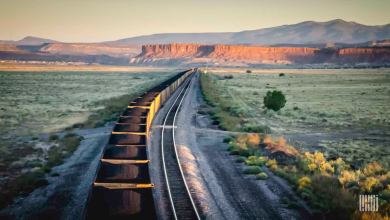
US energy consumption from renewables poised to outpace coal
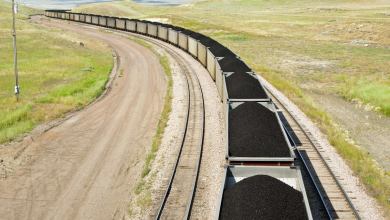
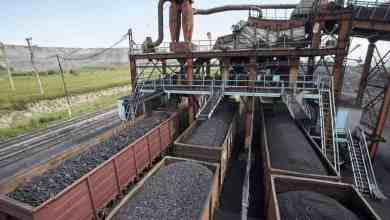
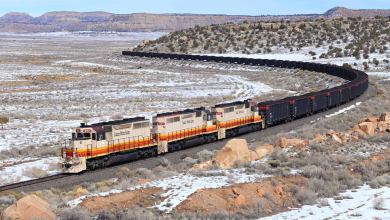
Falling U.S. coal carload volumes reflect the decline of U.S. energy consumption of power generated by coal. Also, U.S. intermodal traffic offset volume losses in 2020.
The mayor and city council of Richmond, California, have voted phase out and prohibit the storage and handling of coal and petroleum coke in the city.
Jim Blaze writes about the power and influence of mentors on a person’s career and life.
Brian Aoaeh writes about changes in the energy/fuel mix over the next 30 years in developed and developing economies.
Coal production in the region could fall significantly in 2020, affecting rail volumes.
Declining coal consumption in the U.S. may have led to the dispute.
Final investment decisions for new global LNG export plants are surging, a negative for future thermal coal demand.
The decline in U.S. coal production could cost the railroads billions in lost revenue.
Australian bulk rail freight operator Aurizon (ASX: AZJ), which owns one of the world’s largest coal rail networks, reported a 15 percent decline in full year profits. Statutory earnings before interest and taxation (EBIT) were down by 14 percent and revenues were down 7 percent.
Blackjewel’s bankruptcy reminds the broader industrial sector of the vulnerability of U.S. coal production overall, particularly so for western U.S. coal production.
Low pricing will speed up Europe’s transition from coal to gas, according to Morgan Stanley.
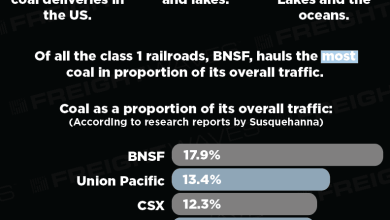
Market expert Jim Blaze writes about the movement of coal by rail. He explores the history of rail-coal; more importantly, he writes about what the future may hold for coal in the U.S. and how that will impact the railroads.
U.S. coal export volumes are down 12.7 percent in the first four months of this year and the outlook looks even worse for 2020.
Genesee & Wyoming, Inc. reported adjusted earnings per share of $0.78 for the first quarter of 2019, which were 11 percent better year-over-year, but less than NASDAQ’s consensus estimate of $0.83.
Dry bulk shipping faced multiple headwinds in the first quarter, but NYSE-listed Scorpio Bulkers benefited from its smaller ships and its diversification into the product-tanker sector.
The final part of the FreightWaves series on the Panama Canal focuses on dry bulk transits. The two trends: US agribulk cargo to Asia is down, Colombian coal to the west coast of South America and Asia is up.
Widespread jitters in the Australian political and business communities that China may have banned imports of Australian coal now appear to be unfounded. Customs clearance delays at Dalian are happening owing to entirely “normal” reasons and coal cargo can be re-routed around a given port anyway, coal mining and coal transport executives have explained to FreightWaves.
The Grain Transport Report, a weekly publication by the Agricultural Marketing Service (a division of the U.S. Department of Agriculture) released information showing that total export inspections for grain (corn, wheat and soybeans) declined 22 percent from the previous week.
We hope no one gets coal in their stocking tomorrow morning… But if you do, here’s a few facts about where it may have come from.