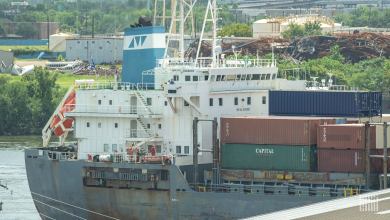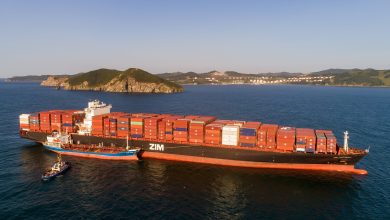
Container shipping trilemma: Weak rates, new ships, pricey charters
Sluggish demand is capping shipping lines’ income. In response, at least one carrier is reportedly moving to limit losses on legacy charters.

Declining demand for Chinese exports and reduced stimulus options threaten bulk commodity import prospects.
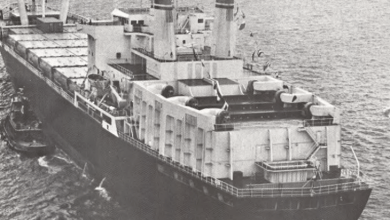
Two ships in 1975 traveled between Mediterranean and U.S. ports on a fixed 14-day schedule. But they also caught attention because they were able to carry different types of cargo, including containers as well as liquids.
Trans-Pacific spot shipping rates remain under pressure, slumping back again as U.S. import demand comes up short.
The Freightos Baltic Index (FBX) is the world’s leading—and most accurate—index of market rates for 40′ containers.
The U.S. supply chain has dodged a bullet. A new dockworker labor deal will keep the peace at West Coast ports.
“Patience is wearing thin. Neither side imagined it would take this long,” says the head of the Port of LA on dockworker contract talks.
This year’s peak season could see West Coast labor disruptions coincide with Panama Canal water levels impeding cargo flows to the East Coast.
Dockworkers who keep West Coast cargo flowing are highly paid. Their bid for even higher pay is starting to affect the cargo flow.
The Mexican government is offering incentives to attract investors to the Isthmus of Tehuantepec global trade hub project.
Demand remains tepid, yet shipping lines have pushed spot rates off the bottom and secured contract rates above spot levels.
This report shares an in-depth overview across the trucking, maritime and intermodal markets.
The dockworkers’ union and terminal employers are still sparring over wages and benefits more than a year after contract talks began.
This week in Borderlands: Texas seaport completes a $146 million container terminal expansion; a chemical logistics provider expands its Arizona operations; Bollore Logistics opens a supply chain facility in Mexico; and border agents seize $38 million worth of meth hidden in a kale shipment.
The Freightos Baltic Index (FBX) is the world’s leading—and most accurate—index of market rates for 40′ containers.
Older ships are being kept in service longer in pursuit of profits, heightening the risk of accidents and spills.
Container volume at ports in Houston and New Orleans fell in April, while Corpus Christi was bolstered by crude oil exports.
Not all cargo markets are back to pre-COVID “normal.” Container shipping rates to South America remain elevated.
More signs are surfacing that the second half of the year won’t be a panacea to the international freight recession. Seko Logistics says there won’t be a surge in orders that fuels transportation spending.
Bed Bath & Beyond “failed to manage its own supply chain” and “exacerbated the bottlenecks faced by other shippers,” alleges OOCL.