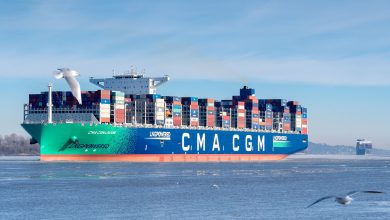
Container shipping giant CMA CGM still earning over billion a quarter
Because container liner profits plummeted off an extraordinarily high peak, some carriers are still posting hefty profits despite huge declines.

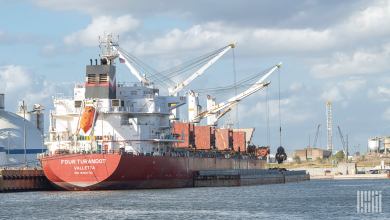
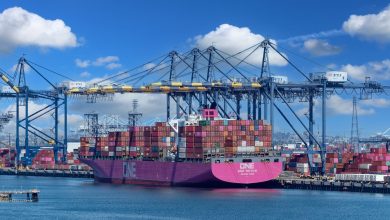
Two of the top three global logistics powers took a big profit haircut during the second quarter and aren’t very optimistic about a seasonal upturn in shipping.
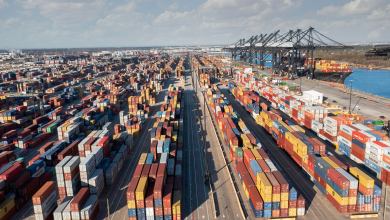
Cargo volumes were a mixed bag for Gulf Coast ports in June, with Houston reporting container declines, while crude oil shipments boosted Corpus Christi.
After rapidly expanding its fleet during the boom, ocean carrier Zim is backpedaling and shedding ships.
Container lines did not manage post-boom vessel capacity as well as expected. In the trans-Pacific, they may be belatedly getting the hang of it.
Expectations for peak season have waned, but container lines may have bounced off the bottom.
Spreads between high- and low-sulfur fuels are down to pandemic levels and LNG has become much more economical.
Shipowners have invested billions in the LNG fuel option in the belief that it will benefit regulatory compliance and the environment.
U.S. rail imports from Vancouver and Prince Rupert are imperiled again. ILWU Canada has rejected the proposed dockworkers contract.
Shipping stocks in sectors with high deliveries of new ships are doing better than those with low orderbooks.
“I think this acquisition sends the message to the market that we are here to add real value,” said Ship Angel founder Graham Parker.
The Freightos Baltic Index (FBX) is the world’s leading—and most accurate—index of market rates for 40′ containers.
The National Defense Authorization Act amendment is aimed at blocking China’s ability to monitor U.S. container flows.
The extended strike in western Canada was beginning to affect U.S. supply chains. Its resolution limits the fallout.
The agreement should keep tanker and bulker orders in check, while increasing the risk of a future carbon tax on container shippers.
Tive’s technology advancements allow customers to see blind spots in air and ocean cargo.
June volumes of containerized imports were higher than normal and the National Retail Federation predicts more gains ahead.
U.S. imports via Canadian ports face rising fallout as the war of words escalates between dockworkers and employers.
This report shares an in-depth overview across the trucking, maritime and intermodal markets.
The Freightos Baltic Index (FBX) is the world’s leading—and most accurate—index of market rates for 40′ containers.