




Greg Miller
Monday, January 6, 2020
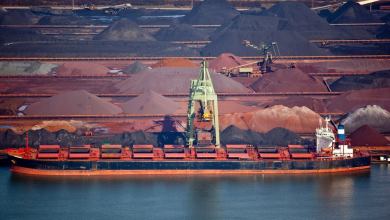
IMO 2020 fallout, demand slump batter dry bulk
Is IMO 2020 fallout for dry bulk shipping a warning sign for container sector?
Is IMO 2020 fallout for dry bulk shipping a warning sign for container sector?
The high-stakes wild cards to watch in what promises to be a volatile year.

Links to 16 exclusive interviews with key decision-makers in ocean shipping.
Concerns rise that shipping can’t recoup cost of IMO 2020-compliant fuel.
A falling trade-to-GDP ratio is a worrying trend for the shipping industry.
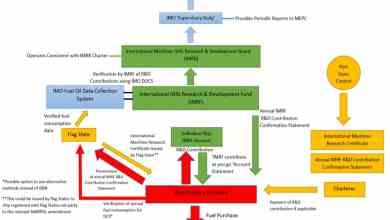
As carbon tax on ocean shipping appears more likely, industry lays groundwork for future collection.

U.S.-China deal should boost shipping stock sentiment, assuming investors believe it’ll stick.

Dry bulk ocean carrier Jinhui Shipping of Hong Kong and Oslo has drifted into the red according to its third quarter results. Its nine-month results indicate the company may generate a loss this year.
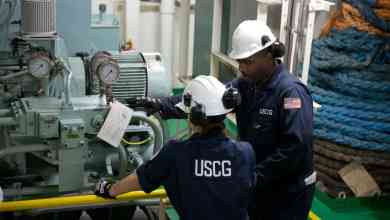
Billions of dollars in fuel costs at stake for containership owners.
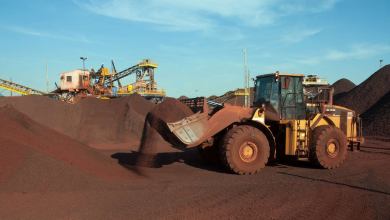
Brazil’s Vale has cut its iron-ore outlook for the first quarter, but revealed higher-than-expected projections for full-year 2020 and 2021.
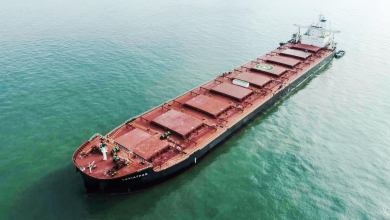
Unsurprisingly, listed bulker owners insist fourth-quarter Capesize rate pressure will pass.

New ship orders are grinding to a halt due to uncertainty over which designs can meet future GHG rules.

Reduced estimate for Brazilian iron-ore exports compounds headwinds for dry bulk.
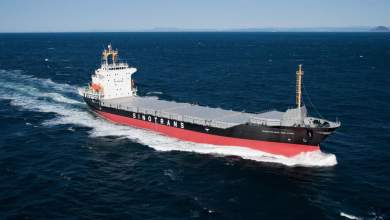
All may not necessarily be as it may first seem in the world of company earnings. Dry bulk, ocean container shipping and logistics company Sinotrans (HKEX: 598) may not have delivered a Halloween shocker even though its third quarter results were splattered in red ink all over its income statement. One long-short equities analyst was very bullish on the company’s stock despite the seemingly-poor results!

An exclusive interview with Greece’s Ioannis Martinos on what’s next for Signal Ocean.
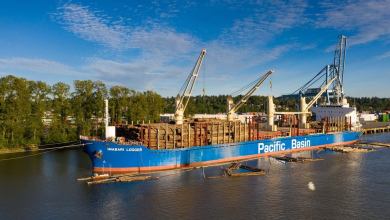
Hong Kong Stock Exchange-listed ocean carrier Pacific Basin (HK: 2343) will issue US$175 million (approximately HK$1,371 million) of non-amortizing unsecured convertible bonds to boost its balance sheet while growing and renewing its fleet.
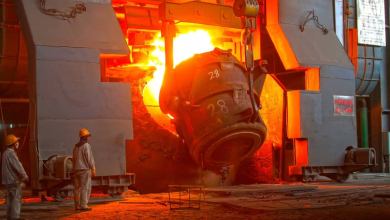
Market prognosticators have been saying dry bulk will recover “next year” almost every year for the past decade. Will it finally happen in 2020?
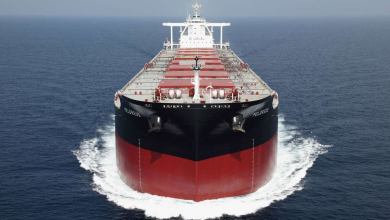
The Baltic Exchange has been unrivaled in its creation of indices for dry freight futures. That may be about to change.
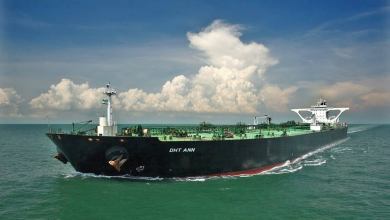
Crude tanker rates continue to surge, driven by geopolitical tensions. Meanwhile, container rates remain weak.
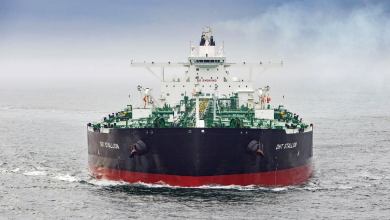
This week, VLCC tanker rates are rising, whereas both trans-Pacific box rates and Capesize bulker rates are slipping.