





Craig Fuller, CEO at FreightWaves
Monday, May 4, 2026
The heartland’s revenge: how AI is reindustrializing the American interior
AI investment is increasingly driving construction growth in the U.S.
AI investment is increasingly driving construction growth in the U.S.
Download this freight market report and learn why FreightWaves experts are seeing a fairly bleak outlook for the rest of 2023.

New rules proposed by the Securities and Exchange Commission regarding disclosure of climate-related risks and greenhouse gas emissions could greatly impact the trucking industry.

Not all loads are created equal in trucking. Loads moving across the country have a much greater impact on capacity and subsequently spot rates and they are disappearing at an astonishing rate compared to their shorter counterparts.

Many transportation managers and providers are expecting a return to a simpler time, but the data shows simpler times may be a thing of the past.
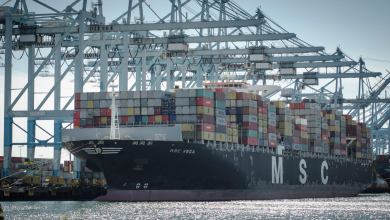
Craig Fuller explains why supply chains are so messed up!

The rise in volumes continues to outpace the rise in rejection rates, and spot rates keep climbing.

Beginning in the second quarter, there was a notable shift in the types of loads shippers were tendering. Why would this assist with increasing compliance?
Freight demand is not going to abate in the next few months, and there will not be any meaningful addition to fleet capacity in the meantime.

Consumer spending tapered off this week, but the savings rate is so high, Americans have a war chest unlike in any recent period. And, inventories remain depleted across many segments, so the freight industry won’t feel the direct brunt of any shift back to services anytime soon.

The relationship between personal consumption and trucking demand has strengthened even further as companies struggle to maintain inventory. This suggests a very active spring and summer for transportation providers.

Import volumes are growing rapidly into secondary ports as shippers scramble to build inventory. What are some of the short- and long-term implications to domestic transportation providers?

There is no definitive end for this freight bull market in sight. Consumers continue to spend on goods, driving freight and diminishing already depleted inventories. Even if consumer spending diverged from its current trajectory (which I see as unlikely, especially given the additional stimulus, accelerating vaccine rollout and strong consumer balance sheet), the mass inventory restocking ahead will be sufficient to keep freight flowing from a consumer perspective.

Weathering the COVID pandemic drove Volvo Group sales lower in 2020, but market share was stable and new orders are pouring in.

Despite losing momentum sequentially for the last three months of the year, holiday sales grew 8.3% year-over-year. The surprising data is further evidence of the resilience of the American consumer, and the ability for retailers to influence how and when people shop.

In today’s edition of The Daily Dash, the freight bull market shows no signs of slowing; Chao says goodbye; and trucking continues to add jobs.

Luke Falasca and Kyle Taylor break down high prices brokers are paying in this week’s freight market.

Imports continue to pile up as shippers and carriers take time for the holidays. They may come back to a mess.

In today’s edition of The Daily Dash, YRC’s loan is facing scrutiny from Congress, plus LTL tonnage is on the rise and prosecutors ask for the reinstatement of the conviction of former Pilot CEO Mark Hazelwood and two others.

Import volumes continue to fuel the surface transportation boom. Will it last into 2021?