If supply chain crunch is finally easing, why is inflation so high?
Measures of supply chain bottlenecks, cargo transit times, bookings and spot rates are all down, yet inflation remains historically high.
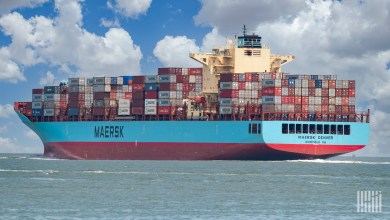
Supply-demand dynamics that supercharged pandemic-era rates are now “exactly the opposite,” says Maersk CEO Soren Skou.
The EU is going to ban imports of Russian crude and petroleum products. It still has a long way to go to find replacement supplies.
The G-7 plan to squeeze Russia’s oil profits hinges on the EU revising its own sanctions. Those revisions face opposition.
East and Gulf coast ports handled more volume than ever before in August, pulling far ahead of West Coast rivals.
Container lines are pulling back fast from the ship-leasing market, signaling less confidence in future freight income.
Container shipping rates — particularly from Asia to the U.S. — are still falling hard and show no sign of finding a floor.
U.S. containerized imports are still near record highs, but not in Los Angeles, where they’ve fallen sharply.
“Right now, shipping companies around the world are looking at this and scratching their heads,” says sanctions expert Bruce Paulsen.
Tanker stocks are proving to be a shelter from the Wall Street storm as demand grows for ships that transport oil and natural gas.
Spot container rates for U.S.-bound cargoes are falling fast, yet import numbers at U.S. ports remain near their peak.
Shipping volumes are weakening in and out of China. Is this a temporary pullback or a sign of more serious trouble ahead?
Container and dry bulk shares soared last year, leaving tanker stocks behind. This pattern has now reversed.
If the U.S. curbed gasoline and diesel exports, tankers would sail longer distances to replace lost volumes — a plus for tanker earnings.
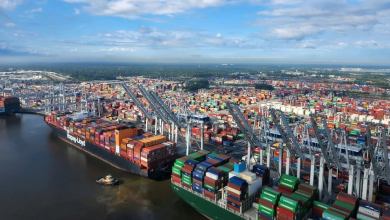
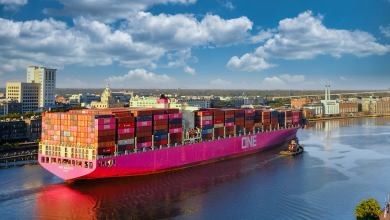
California’s container-ship traffic jam is almost gone, replaced by stubbornly high backlogs off the East and Gulf coasts.
Just two supertankers have been ordered in the past 14 months, raising the risk of a future shortfall in oil transport capacity.
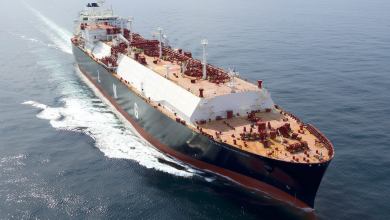
The Russia-Ukraine war caused demand for LNG to surge. Owners of LNG carriers are in prime position to profit this winter.
The cost of marine fuels is down sharply from the wartime peak, except for ‘clean’ LNG, which is getting even more expensive.
Spot rates on most global shipping routes continue to fall. The trans-Atlantic market is the exception: It’s holding firm near its high.
U.S. imports accelerated in July, with inbound cargo from China reaching a year-to-date high, according to Descartes.