





Greg Miller
Friday, December 27, 2019
Outlook 2020: Ocean shipping finance to tighten further
Capital constraints should keep ocean shipping capacity in check, a plus for rates.
Capital constraints should keep ocean shipping capacity in check, a plus for rates.
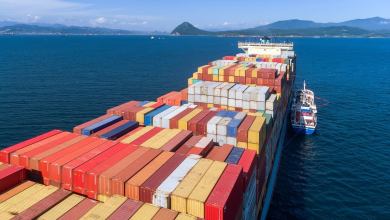
Concerns rise that shipping can’t recoup cost of IMO 2020-compliant fuel.

An exclusive interview with Lois Zabrocky, CEO of tanker owner International Seaways.

As carbon tax on ocean shipping appears more likely, industry lays groundwork for future collection.

U.S.-China deal should boost shipping stock sentiment, assuming investors believe it’ll stick.

An exclusive interview with John Hadjipateras, founder and CEO of NYSE-listed Dorian LPG.
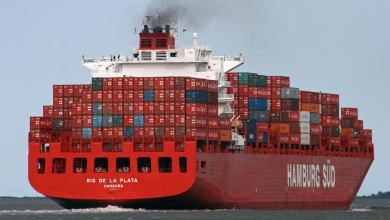
Index data appears to show that IMO 2020 fuel costs are being passed along to box shippers.

An exclusive interview with Scorpio President Robert Bugbee on shipping stocks and what lies ahead.
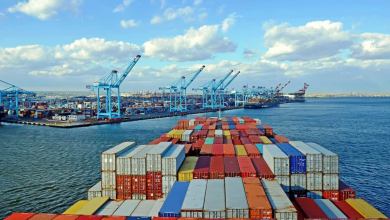
Container industry veteran John McCown argues that the shift toward East Coast ports is inexorable.

After all the trade turmoil, many legacy supply chains may still be in “wait-and-see” mode.

The EU is pushing to bring carbon pricing to shipping, but there are a lot more questions than answers.

Trade tensions look like they’ll get worse before they get better, a negative for ocean shipping demand.

Brazil’s Vale has cut its iron-ore outlook for the first quarter, but revealed higher-than-expected projections for full-year 2020 and 2021.
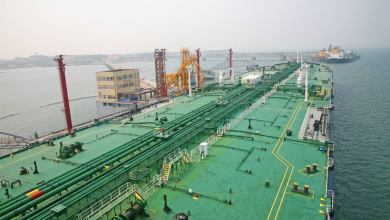
Crude-tanker rates are staying lofty for a prolonged period, proving that the October spike was no “one off.”

Investors and commodity shippers favor spot contracts, but GHG cuts will require more long-term employment.

A look at today’s containerized ocean transport of alcohol via bottle, can, keg, flexitank and ISO tank container — and how this mix could change going forward.
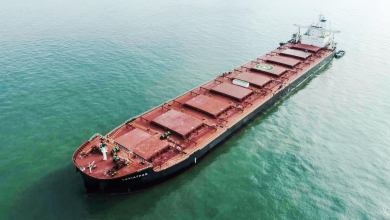
Unsurprisingly, listed bulker owners insist fourth-quarter Capesize rate pressure will pass.
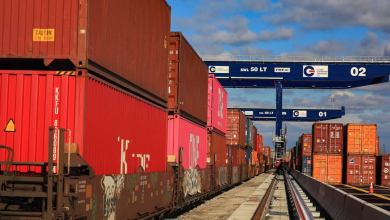
Freight data confirms that container lines are increasing their flows to the U.S. East Coast at the expense of California ports.
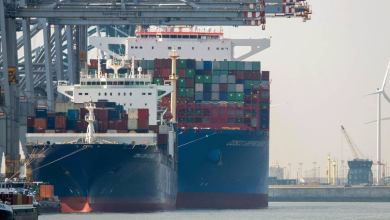
Data reveals how container pricing may have suffered collateral damage from the trade war.

Higher freight rates are piquing investor interest, bringing ship owners back to the capital markets.