Time to start worrying again about rising cost of ship fuel
Fuel costs were overshadowed by skyrocketing freight rates amid the supply chain crisis. Now, fuel costs are much more important.


Spreads between high- and low-sulfur fuels are down to pandemic levels and LNG has become much more economical.
Sulfur pollution addressed by IMO 2020 created a health risk, but that pollution had a cooling effect, which has now been reduced.
The cost of marine fuels is down sharply from the wartime peak, except for ‘clean’ LNG, which is getting even more expensive.
Exhaust gas scrubbers are allowing tankers, bulkers and container ships to keep burning dirtier — and much cheaper — marine fuel.
It took longer than expected, but the IMO 2020 investment pitch — save on ship fuel by installing scrubbers — is paying off big time.
Price of low-sulfur fuel is rising faster than high-sulfur fuel. Ships with scrubbers stand to gain.
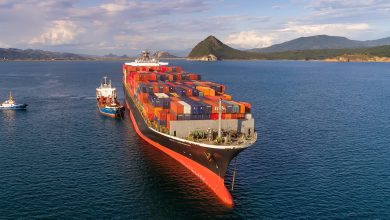
Cost of fuel consumed by container ships, bulkers and tankers is effectively at a seven-year high.
Rising fuel costs are yet another woe for containerized cargo shippers, while widening spreads should benefit ships with scrubbers.
California will boost testing procedures to enforce distillate fuel regulations.
Higher fuel prices are bad news for box shippers. Higher fuel spreads are good news for owners with scrubber-fitted fleets.
Hapag-Lloyd and ONE have ordered 12 ultra large container ships, all of which will be able to carry more than 23,500 TEUs.
In an interview with FreightWaves, SSI Executive Director Andrew Stephens talks about zero-emission shipping fuel and sustainability challenges.
IMO 2020 and new amendments have the potential to further lower emissions for maritime freight. Carriers are using low-emission fuels, scrubbers and shore-to-ship power.
Another key bellwether — the cost of dry bulk freight — is pointing to an economic recovery.
Marine fuel prices are down 30% year-on-year despite the IMO 2020 regulation.
German carrier is cutting costs and counting cash as the economic impact from the pandemic is expected to hit Q2 results.
Bulker rates are rising, but not yet profitable, and market risks abound.
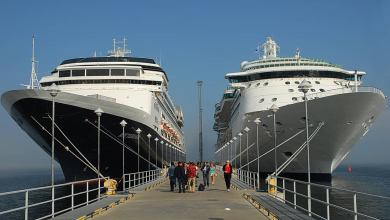
Halt of cruise voyages will slash HFO demand, a positive for cargo ships with scrubbers.
Lois Zabrocky explains how two black swans — the outbreak and oil price war — reshaped the market.