





Greg Miller
Monday, October 14, 2019
How ‘Twilight Zone’ tanker rates translate into cold, hard cash
Headlines may proclaim “$300,000 per day” but most crude tankers are not making anything close to that.
Headlines may proclaim “$300,000 per day” but most crude tankers are not making anything close to that.

Asia-Europe demand has been strong for much of the year, but spot rates have tumbled as some lines have cut rates. With demand weakening, carriers are poorly placed ahead of annual contract negotiations, says Drewry.
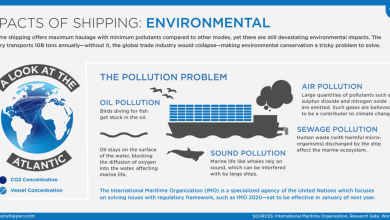

Maersk expects ample supplies of low-sulfur fuels to be available in most ports, but warns shippers to expect higher costs.

U.S. Federal Maritime Commission Chairman Michael Khouri talks with American Shipper about priority container shipping regulatory issues for fiscal year 2020.
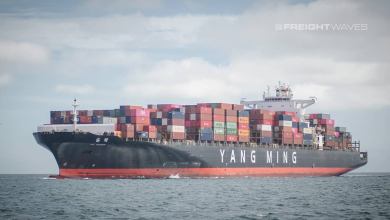
Drewry expects service levels to be cut by lines if shippers prove unwilling to foot the bill for mandatory low-sulfur fuels.

Energy markets appear to believe that capacity constraints will raise diesel prices next year.
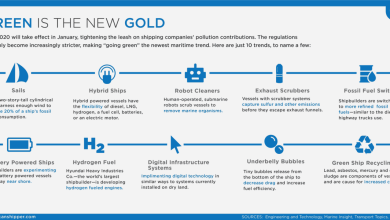
Ben Thrower writes about the coming IMO 2020 regulations and its impact on the shipping industry.
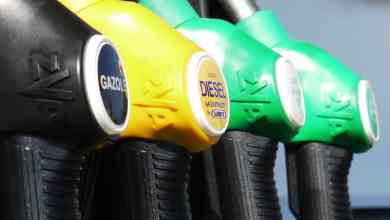
U.S. trucking operators, heed this warning from Asia. Maritime experts say that after the IMO 2020 deadline, fuel availability will be uncertain, scrubbers won’t work, stockpiles will “evaporate” and fuel prices will “go through the roof”.
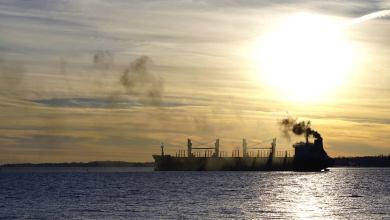
New regulations are expected to affect around 60,000 ships, requiring them to reduce their sulfur emissions by more than 80%.

Whether its a small renewable diesel plant or a big refinery expansion, growth is ongoing.

If not enough 0.5% low sulfur fuel is available after Jan. 1. 2020 ships may resort to using more expensive 0.1% sulfur fuel used today in emission control areas.
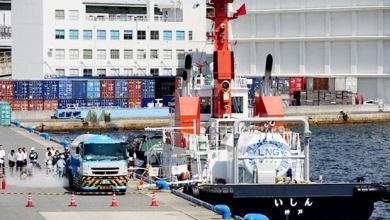
MOL continues its foray into experimenting with LNG with an innovative LNG-powered tugboat; meanwhile, MOL’s LNG-bunkering business signs deals around the world.
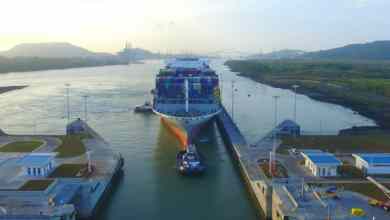
Data confirms that U.S. importers are increasingly opting to bring Asian cargoes into East Coast ports.
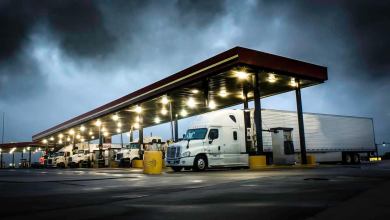
The International Energy Agency now believes implementation of the new fuel rule could be “much smoother than expected.”
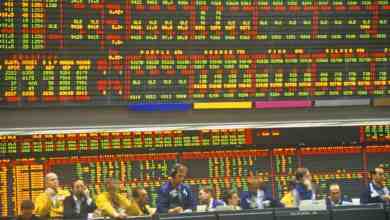
According to Euronav, the derivatives market in low sulfur fuel oil is not deep enough to provide a viable IMO 2020 hedge – but it will be soon.
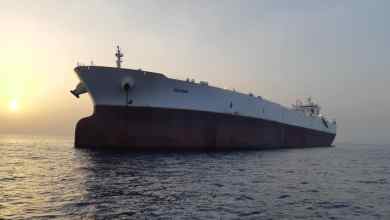
Tanker major Euronav has revealed new details on its strategy to counter IMO 2020 risks.
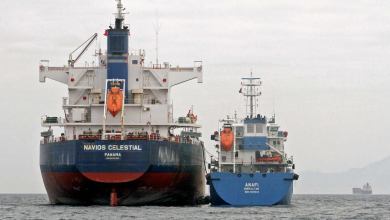
The price of new IMO 2020-compliant low-sulfur fuels is already 30% higher than fuels currently in use, but costs will rise further as the Jan. 1 deadline approaches, says consultant
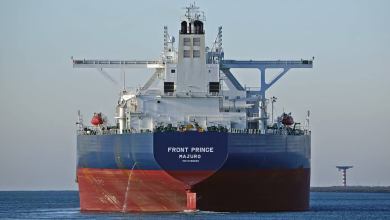
John Fredriksen’s shipping companies are increasing their exposure to IMO 2020 market effects.