




John Gallagher
Friday, March 22, 2019
Ocean carrier group optimistic on IMO 2020 plans
World Shipping Council reigns in predictions of severe price spikes resulting from low-sulfur fuel regulation.
World Shipping Council reigns in predictions of severe price spikes resulting from low-sulfur fuel regulation.

Biofuels created by recycling used cooking oils are being tested by ocean-going ships in pilot trials around the world. Such biofuels may even be gaining acceptance by ocean-shippers, freight forwarders and ship operators.
International oil major BP has announced that it will retail a new very low sulfur fuel oil following successful sea trials, however, it has not released a date when sales will begin. The fuel will have a maximum sulfur content of 0.5 percent and will be sold by BP around the world. BP is one of several refiners, such as Shell and Sinopec, that are offering or are researching low-sulfur fuel.

Biggest trade lane into North America saw price surge last year that may not ease up much as double-digit increases seen in rates for 2019.

Refineries and supply chain not ready for ocean shipping’s uptake of new fuel; even heating oil prices possibly in play during election year.

If IMO 2020 boosts demand for LNG bunkering, the U.S. isn’t ready to take advantage.

Largest ocean freight forwarder sees fuel bills increasing as much as 50 percent based on current price spreads.

Two major agencies see a supply/demand balance that is tightening on the back of steep cuts coming out of OPEC.
Maersk’s deal with New Jersey-based PBF Logistics secures 10% of the line’s IMO 2020 compliant fuel supply.

Never-ending peak season may finally be peaking as shippers rush in goods; shipowners tallying up the cost of scrubbers.

It was only one trade and the comparisons to diesel prices are less than perfect. But there now is an actual transaction that reflects a value for now of what fuel might do under IMO2020.

Saudi Arabia and Russia agree on further production cuts to prop up crude prices; Qatar leaves OPEC to focus on nat gas; heavy sweet crudes are trading at a premium in anticipation of IMO 2020.

Surge in low-sulfur fuel use by ships could usher in two to three year period of uncertainty in refining industry.

Also in the pickup: IMO meets with 2020 on the horizon; Rhine levels are causing plants to shut down; C.R. England and its charitable cause

We see falling demand for oil, lumber, and wheat out of Canada in the future due to a combination of market forces. Canadian Pacific Railroad appears to be especially exposed to this freight recession.
FreightWaves CEO Craig Fuller, Chief Economist Ibrahiim Bayaan, and Senior Meteorologist Nick Austin discussed Hurricane Florence’s impact on freight, the general macroeconomic situation, and the upcoming IMO 2020 regulations on maritime fuel.
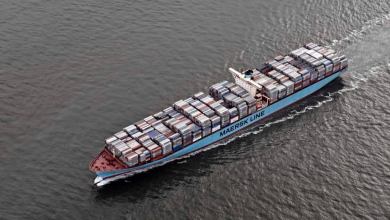
As late as last month, Maersk leadership insisted that scrubbers were not a solution for the new fuel regulations imposed by the International Maritime Organization beginning in 2020, but now they’ve admitted they will install scrubbers on some vessels.