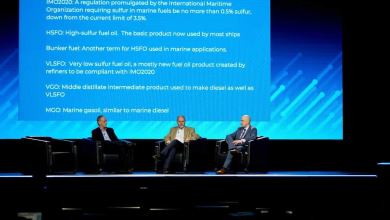
IMO 2020 presentations outline scenarios for fuel switching that will impact diesel markets
The balance among the fuels needed to be in compiant with the new rule will have a knock-on effect down to the price at the pump.
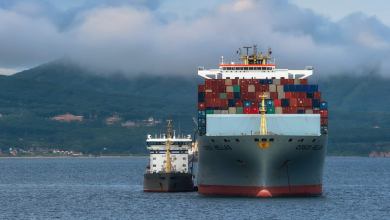
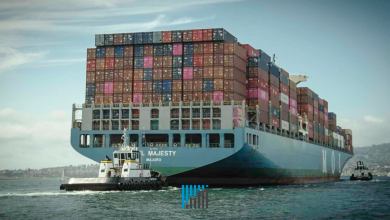
There may be so little demand post-2020 for high-sulfur fuel oil that it may end up stored aboard tankers.
IMO 2020, the scrapping of the shipping lines’ block exemption on alliances and new players in the market could see major changes to the container shipping market over the coming 10 years.
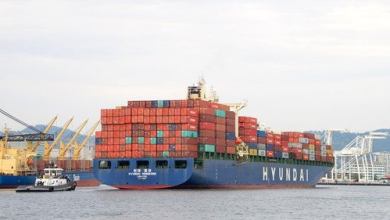
Hyundai Merchant Marine (KSE: 011200) started off 2019 much as it ended 2018, racking up losses. Despite a first quarter gain in volume that boosted revenue, fuel prices and finance costs from the Korean company’s debt load continue to weigh on results. The last of South Korea’s container line operators, Hyundai Merchant Marine reported a […]
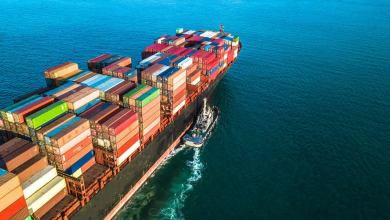
Large ships may provide liner operators with economies of scale, but they are proving more expensive in the chartering market.
The DOE statistical arm has the most precise forecast of anyone on what IMO2020 will mean for diesel prices. It’s fairly conservative.
There are reasons to be optimistic about rates in both the crude and product tanker sectors – and INSW’s fleet spans both categories.
IMO 2020 is will increase demand for distillates and put upward pressure on diesel. How should truckers prepare?
“Any attempt by the United States to reverse course on IMO 2020 could…potentially backfire on consumers.”
According to Seaspan Corporation, the largest U.S.-listed container-ship lessor, liner companies are pulling vessels from service to install scrubbers, which is increasing demand for new charters.
So far this year, there has been heightened refinery downtime for maintenance and upgrades, but the tide is expected to turn in the second half, to the benefit of product-tanker rates.
Tanker companies like Euronav expect to see financial benefits from impending environmental regulations, which will change the type of fuel burned at sea and could eventually limit how fast ships can go.
Market expert Brian Aoaeh’s article focuses on the current and upcoming maritime industry issues – IMO 2020, global warming, rising sea levels, etc. Read Brian’s take on how the maritime industry is meeting these challenges.
After languishing for years, tanker stocks are rising in 2019. Investors are seeking to get in early on the belief that the turnaround in rates is nigh. They’ve been wrong before — will their bets pay off this time?
The European Union has submitted a proposal for consideration at next month’s Marine Environment Protection Committee meeting at the IMO that will bring consistency to reporting on the use of low sulphur fuels encouraging shipping companies to comply with the new regulation.
Also in this week’s report: an ExxonMobil recommendation might be problematic for truckers; paying somebody to take natural gas away
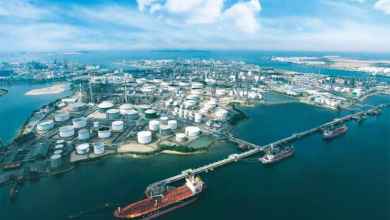
Oil giant ExxonMobil (NYSE: XOM) has announced a multi-billion dollar upgrade of its Singapore integrated manufacturing complex to convert more fuel oil and other “bottom-of-the-barrel” crude products into higher value lube base stocks and distillates. The upgrade will also increase the capacity of the facility to produce an extra 48,000 barrels per day (b/d) of low-sulfur fuels to meet the International Maritime Organization’s 0.5 percent sulfur regulation (IMO 2020), which goes into effect on January 1, 2020.
More refiners make pledges to supply market for IMO-compliant fuel, but if those efforts fall short, diesel may be next best option.
EIA still sees no uniform international policy on how the IMO 2020 regulation will be enforced.
There are plenty of conflicting data points on the direction of the economy, which might suggest that everything may be just fine in the near term.