Halloween has gone online: E-commerce sales to reach nearly $3B in 2021
As Halloween returns to a semblance of normal in 2021, more consumers than ever before will purchase candy, costumes and decorations online.
New forecasts from the National Retail Federation call for retail imports to stay high through at least February.
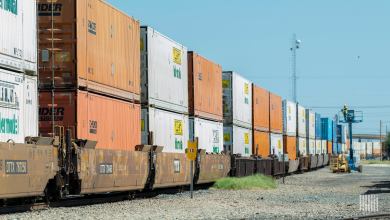
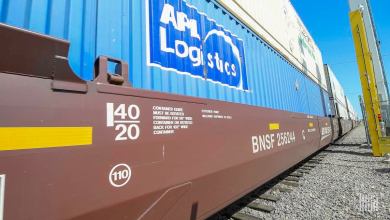
Intermodal rail volumes were lower again year-over-year in September as the ability to process containers and imports is stymied by ongoing supply chain capacity constraints.
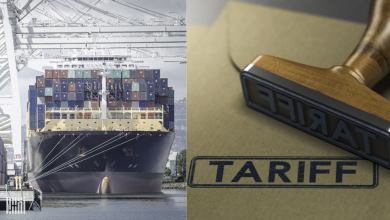
If you thought President Joe Biden would quickly reverse Trump’s controversial trade policy toward China, guess again. U.S. importers aren’t happy.
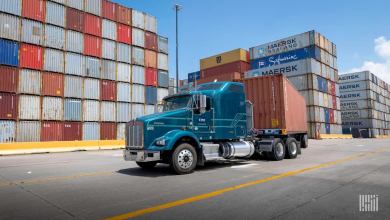
Labor and chassis shortages, as well as congestion in the wider supply chain, have contributed to lower U.S. intermodal traffic compared with a year ago.
August is likely to see a new monthly record for retail container imports, with 2021 doing the same. However, ongoing supply chain dislocation clouds how quickly consumers will be able to get their hands on the goods.
Spot pricing has surged even higher, propelled by carrier rate hikes and China congestion fallout.
Reducing dwell times for equipment and at the terminals is one way the Class I railroads are seeking to relieve systemwide supply chain congestion, according to executives at recent investor conferences.
Freight shipments continue to break records with little signs of slowing. The year-over-year comparisons get tougher in the back half of 2021 but the current supply-demand dynamics may not change all that much.
U.S. rail traffic slipped last week from the prior week, although they’re still up by double-digit percentage points year-over-year, according to data from the Association of American Railroads.
Retail sales surged in March along with freight volumes. An increase in vaccinations and stimulus payments provided a “perfect alignment” for the blowout report.
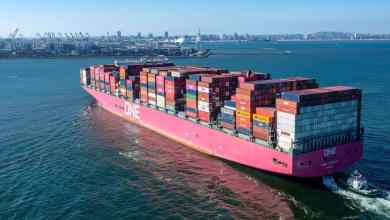
If you ordered a fire pit or a rowing machine online, there’s a good chance it’s coming through the Port of Long Beach. The port is moving record amounts of containers and shipments are experiencing delays.
U.S. rail traffic rose 14% in March amid higher grain and intermodal volumes. But some commodities are also reflecting uneven year-over-year comparisons because of the pandemic-induced volume downturn that began in late March 2020.
Freight rail associations and shippers praise President Joe Biden’s efforts to modernize U.S. transportation infrastructure, but some are worried about how to foot the costs. Also, congressional leaders introduce bills on railcar recycling, highway grade crossings, and loans for rail and intermodal facilities.
U.S. intermodal traffic on a weekly basis continues to show strength, rising last week by 22%, according to the Association of American Railroads. The increase comes amid higher U.S. retail sales in February year-over-year, despite a sequential decline.
Carriers should begin planning now to influence policy change that could result from Biden’s supply chain executive order, industry observers say.
Booming sales, thin inventories and more stimulus on the way provide the backdrop for potentially setting a new record for retail container imports in 2021. The National Retail Federation raised its outlook again for loaded containers landing at U.S. ports in the first half of the year.
U.S. weekly intermodal volumes moved higher last week amid support from retail and e-commerce, while carloads slumped as some U.S. Gulf Coast facilities seek to fully return to normal following February’s winter storm.
Several of the nation’s largest retailers say inventory positions are improving. However, retail sales continue to outpace efforts to stock up, suggesting trucking demand could stay elevated well into 2021.
There is no definitive end for this freight bull market in sight. Consumers continue to spend on goods, driving freight and diminishing already depleted inventories. Even if consumer spending diverged from its current trajectory (which I see as unlikely, especially given the additional stimulus, accelerating vaccine rollout and strong consumer balance sheet), the mass inventory restocking ahead will be sufficient to keep freight flowing from a consumer perspective.