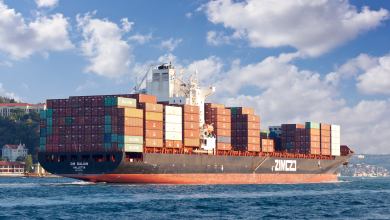
Zim flew higher in shipping boom, falls faster as market sinks
Earnings for Zim, the world’s 10th largest ocean carrier, peaked in the first quarter and continue to slide as rates fall.
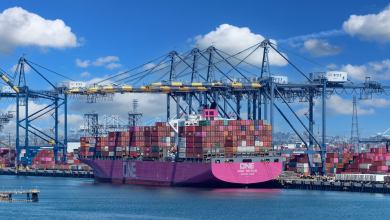
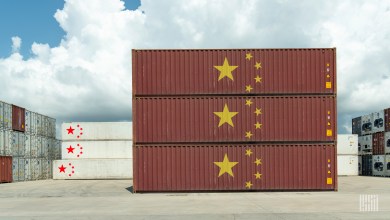
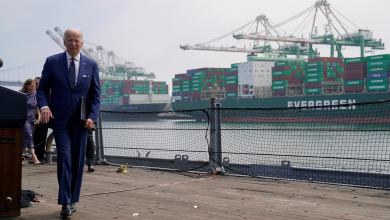
The head of Los Angeles’ port is on a worldwide sales blitz, trying to convince shippers and carriers to come back.
Drop in imports from China in recent months comes on the heels of years of gains by exporters in the rest of Asia.
Container shipping fundamentals are not as bad as spot rates imply, says the head of the world’s fifth-largest ocean carrier.
Imports remain 7% higher than pre-pandemic levels, with volumes steadying last month after September’s plunge.
Europe must replace all seaborne crude imports from Russia within the next few weeks. Crude tanker owners stand to gain.
Flexport sees lower spot rates giving certain retailers a pricing advantage at the store.
Maersk’s guidance implies fourth-quarter earnings will plunge 39% compared to the third-quarter peak.
Most politicians are clueless about supply chains, so it’s a shame when industry veteran Mike Erickson runs for Congress and pins inflation on ocean carriers.
Product-tanker share prices are up triple digits year to date as investors position for sanctions upside.
The world’s seventh-largest ocean carrier expects profits to fall, yet its projections remain vastly higher than pre-COVID levels.
Spot rate indexes look like they’re stabilizing — at least temporarily — after double-digit plunges in August and September.
The “shadow fleet” is not large enough to save Russian oil exports from Western sanctions, according to multiple analysts.
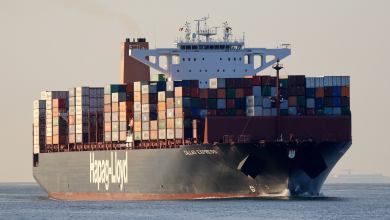
Rolf Habben Jansen, CEO of ocean carrier Hapag-Lloyd, gives his take on the “bullwhip effect,” rates and global trade.
Shipping lines face a minefield of surging capacity and sinking demand, but there is a path to safety, claims one industry expert.
Southern California ports are being hit by double-digit import drops as the COVID-19 cargo boom winds down.
As container shipping stocks get battered by collapsing rates, tanker shares could be poised for a long bull run.
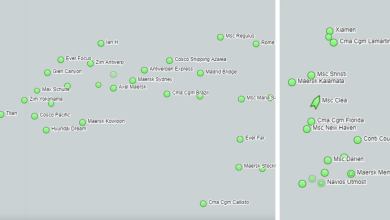
Declining imports have led to fewer container ships waiting off ports, injecting more capacity into the market, a negative for spot rates.
Supply chain planners will walk a precarious path in 2023, according to S&P Global transportation expert Paul Bingham.
New disclosures by Asian ocean carriers confirm that container shipping lines remain extraordinarily profitable.