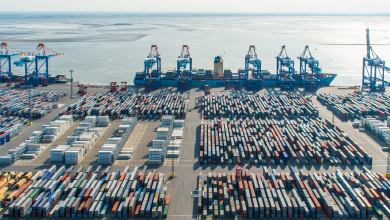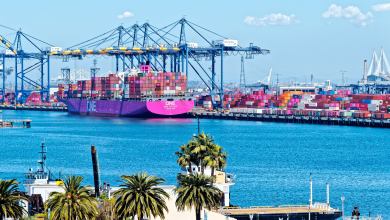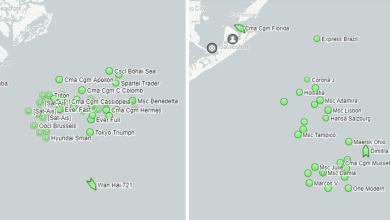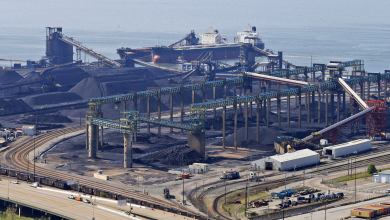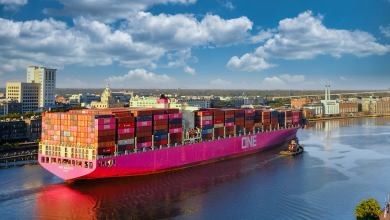
Only 8 ships waiting off Southern California — but 41 off Savannah
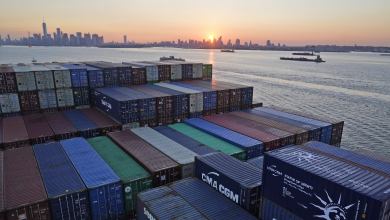
California’s container-ship traffic jam is almost gone, replaced by stubbornly high backlogs off the East and Gulf coasts.
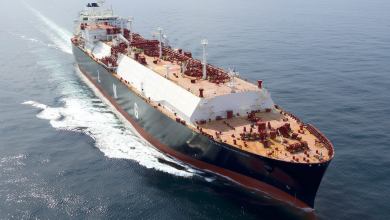
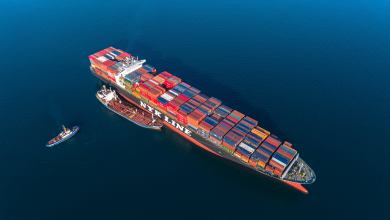
The Russia-Ukraine war caused demand for LNG to surge. Owners of LNG carriers are in prime position to profit this winter.
The cost of marine fuels is down sharply from the wartime peak, except for ‘clean’ LNG, which is getting even more expensive.
Spot rates on most global shipping routes continue to fall. The trans-Atlantic market is the exception: It’s holding firm near its high.
U.S. imports accelerated in July, with inbound cargo from China reaching a year-to-date high, according to Descartes.
With East Coast ship queues high, port executive Gene Seroka says: “For cargo owners looking to rechart their course, come to Los Angeles.”
Trans-Pacific spot container shipping rates continue to head lower. Zim appears more at risk than some of its rivals.
Rates and sentiment in dry bulk shipping have fallen hard. Economic pressures in China appear to be a major culprit.
The latest shipping company poised to delist has a market cap of $3.5 billion. The latest new entrant’s market cap is under $20 million.
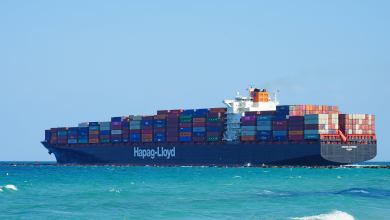
Hapag-Lloyd bookings point to a gradual unwind of the container shipping boom, not a crash.
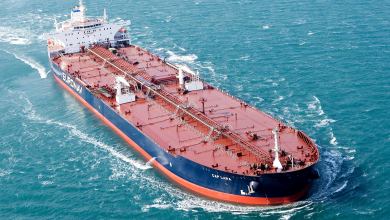
Tankers stocks are doing great. Dry bulk and container stocks temporarily stopped the bleeding. “Maxim stocks” still underperform.
Port congestion and voyage cancellations by shipping lines are preventing a steeper slide in spot container freight rates.
It looks increasingly likely that war-driven changes to global crude flows will persist for an extended period.
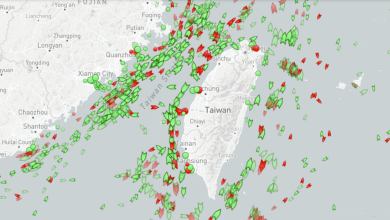
Chinese military exercises in the Taiwan Strait will delay shipments. Further escalation could have dramatic supply chain effects.
Container shipping giant Maersk sees continued strength in U.S. imports and ongoing supply chain disruptions globally.
The drop in ships waiting off Southern California is deceiving. The number of ships off all three coasts is back to all-time highs.
Shipping lines are still racking up extraordinary profits. Hapag-Lloyd forecasts continued strength in the second half.
Fallout from the Ukraine-Russia war and concerns over power supply in Europe and Asia support demand for seaborne coal.
Last year was historically strong for some maritime businesses, terrible for others. No matter what the sector, maritime CEOs made millions.
Exhaust gas scrubbers are allowing tankers, bulkers and container ships to keep burning dirtier — and much cheaper — marine fuel.