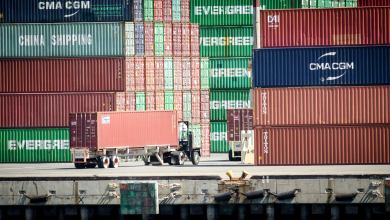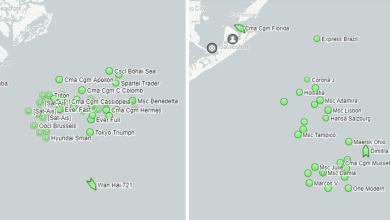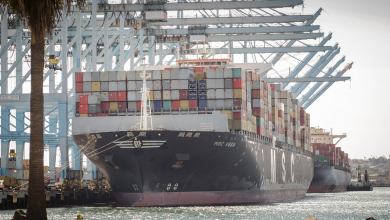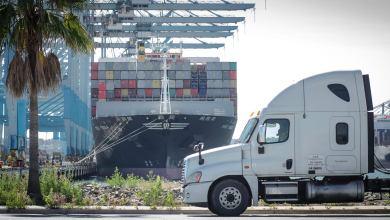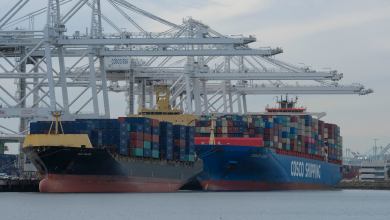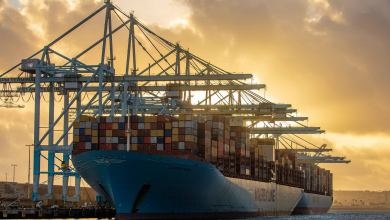
California ports piling up again: Too many containers sitting too long
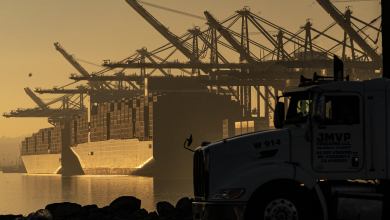
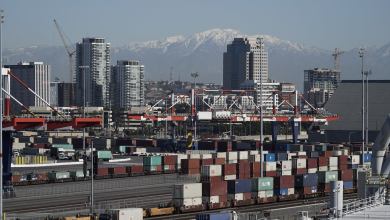
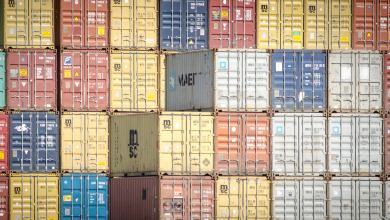
The number of import containers sitting at LA/LB terminals for nine days or more has more than doubled since February.
President Biden plans to sign into law the Ocean Shipping Reform Act, the first ocean shipping regulations passed by Congress since 1998.
The Port of Hamburg could suffer a container pileup if labor issues are not resolved in Germany.
While drayage has faced demand surges, they have often been the relatively short-lived consequences of labor strikes or steamship company shutdowns. The impact of the pandemic has been much greater, and it is here to stay.
Container shipping spot rates are easing, at least temporarily, and far fewer ships are stuck waiting off U.S. ports.
China took steps to restart export manufacturing, but strict COVID measures pose a continuing challenge for logistics providers.
Mario Cordero, Port of Long Beach executive director, says there have been “notable improvements across the supply chain,” but lockdowns in China could change that.
America’s largest container port, Los Angeles, just posted the best March and best first quarter in its history.
Cargo is piling up at the Port of Shanghai because a citywide quarantine means most trucks can’t reach the port to pick up loads and keep commerce flowing.
The debate heats up on whether this is the beginning of the end of container shipping’s bull run.
Folding five empty shipping containers into the space of one could curb smuggling, save shippers money and reduce emissions.
Charter rates hold steady at their peak as the seemingly neverending container shipping boom continues.
Congestion could go from bad to worse as liners steer a record number of container ships toward East Coast ports.
COVID lockdowns haven’t closed Chinese ports yet. If they do, U.S. importers face “shockwave” of higher rates and delays.
Congress is paying more attention than ever to freight supply chains. Here are 10 pending bills that attempt to address disruption and lower costs for carriers and their customers.
Hyper rail systems could transport containers to and from ports quickly, according to WickedHyper’s CEO.
Mary O’Connell and David Spencer, director of business intelligence at Arrive Logistics, sit down to talk about the freight market in February and the outlook for 2022.
“Efforts to successfully move aging cargo out of shipping terminals” improve the picture at California’s San Pedro Bay ports.
“Everything we have sails. Every box we have we try to move,” says Hapag-Lloyd CEO Rolf Habben Jansen.
West Coast terminal operators could be taking advantage of supply chain disruptions by overcharging shippers for using night gates.