




Greg Miller
Wednesday, December 8, 2021
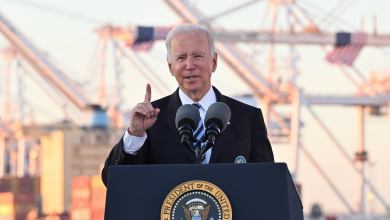
Biden-backed plan to clear California port congestion stalls
Controversial plan to charge for containers lingering on terminals keeps getting delayed. Yet containers still linger.
Controversial plan to charge for containers lingering on terminals keeps getting delayed. Yet containers still linger.

The World Shipping Council warns of too much government intrusion while taking heat for sky-high carrier profits.

Georgia port officials are engaged in what appears to be the largest current expansion of a port in North America.
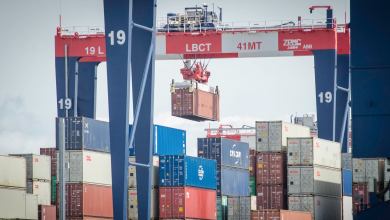
Industry cooperation removing containers from the docks has convinced port officials to hold off imposing penalties for excess storage.
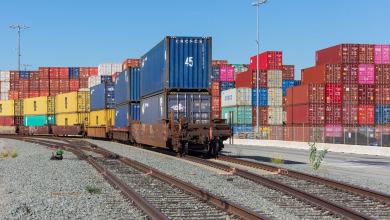
COVID exposed underlying chinks in the supply chain, especially at the ports. The White House has lit a fire under the industry’s feet to improve the container shipping system.
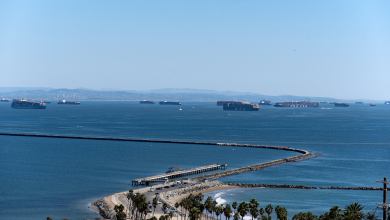
Marine Exchange now counts ships waiting farther out to sea, confirming just how big the backlog really is.
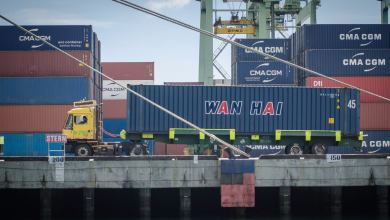
Officials are creating unrealistic expectations that supply chains will be unplugged within weeks or months.

Congestion can be attributed to increased ship traffic, a lack of labor and crane availability, and the sea of empty containers rising throughout Southern California.
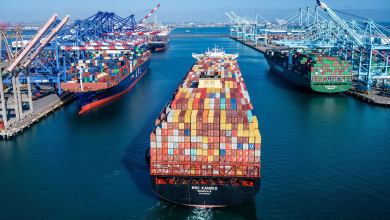
While technically the congestion has decreased in the bay because of the new queuing system, that does not mean the vessels do not exist. They do.
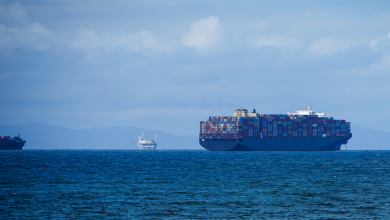
Despite claims to the contrary, the ship backlog is not getting smaller. Vessels are waiting on both sides of the Pacific.
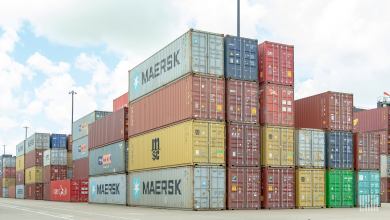
Major retailers and suppliers reassured the White House they have a handle on supply chain volatility and can meet consumer demand.
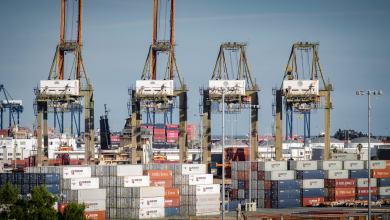
Southern California ports and private operators are using carrots and sticks to help eliminate a massive pileup of cargo.
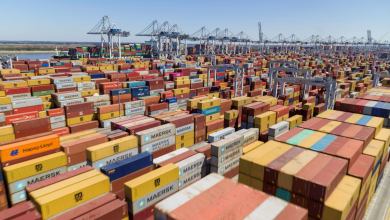
Innovation and investment are the watchwords at the Georgia Ports Authority, where officials are rushing to deal with supply chain constraints.
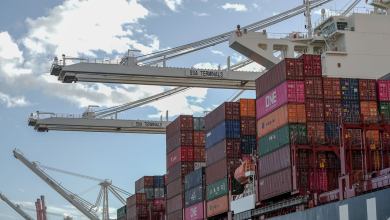
Double demurrage in Seattle: A terminal operator is adding a second layer of fees for extended container dwell times.
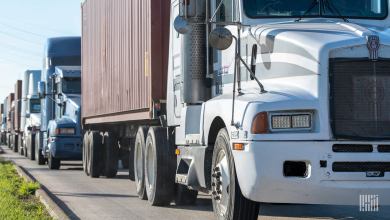
Despite reports that congestion issues are easing on the water at California’s major ports, drayage truckers claim this isn’t the case for them as efficiency issues continue to plague terminal operators.
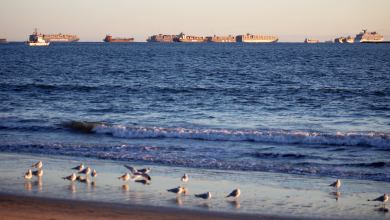
Record number of container ships waiting but they’re harder to see, as new plan spreads queue across Pacific.
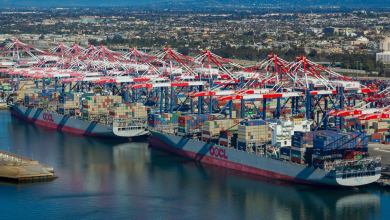
Cargo is moving a bit more smoothly at the Southern California ports, giving officials reason to hold off assessing stiff storage fees.
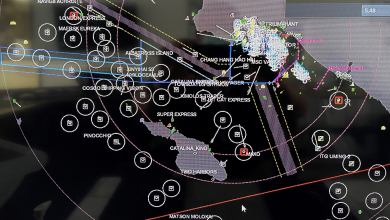
Ship arrival data confirms seasonal surge to Southern California has ebbed — even as port congestion has risen.

Convoy’s #NoEmptyMiles campaign hits new heights; the importance of verifying equipment type; a halt to the impending fees at LA and Long Beach ports; and one more acquisition.
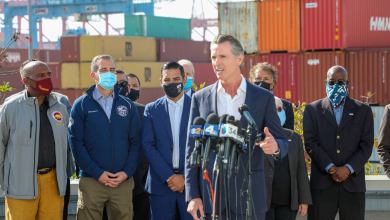
CalTrans is boosting the weight limit for port truckers. The regulatory change was made with good intentions, but can it work?