




Greg Miller
Wednesday, November 17, 2021
How to make a billion when your ships are stuck at anchor
Zim’s profits are still going up — way up — despite more vessels getting snared in West Coast port gridlock.
Zim’s profits are still going up — way up — despite more vessels getting snared in West Coast port gridlock.

Onboarding accounts should be a bigger thing than it is; airports used as container storage yards; airfreight is now an affordable option; and a few more quarterly earnings dissected.
Los Angeles and Long Beach hold off on charging highly controversial fee on import containers.
Rates expected to remain strong into 2022, fallout from new ship deliveries in 2023-2024 to be muted.
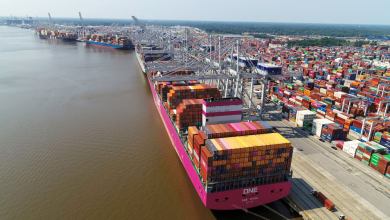
Desperate times call for desperate measures, and Georgia port officials are pulling every lever possible to reduce shipping delays that are having a national impact.
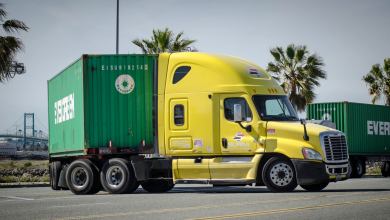
California officials are trying to address a perceived shortage of truck drivers by making it easier to get a license.
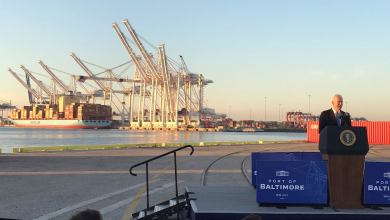
President Biden was Professor Biden at the Port of Baltimore, explaining Supply Chain 101 to the American people.

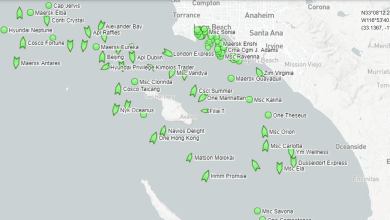
Just five days before emergency SoCal container fee is set to begin, offshore traffic jam reaches new heights.

Lawmakers have introduced bills that would tap into unspent COVID-19 relief funds to help compensate vessel owners looking to reroute ships away from choked Southern California ports.
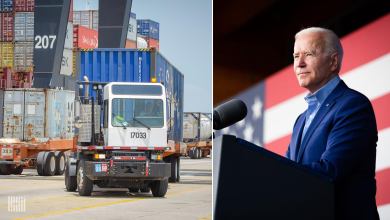
President Biden got input Tuesday from express carriers and large retailers on the supply chain crisis.
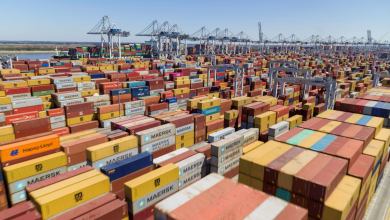
The Biden administration is racing to cut red tape so the government can expedite port and freight transportation infrastructure investments.
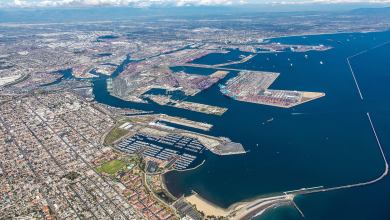
Lack of data sharing regarding nonscheduled vessels is adding to the congestion in San Pedro Bay and impacting the ability to plan for container processing.
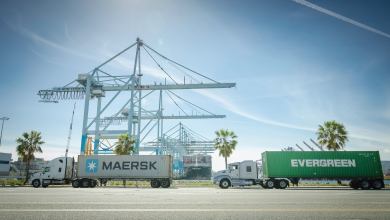
As the holidays loom, a congressman wants to eliminate legal hurdles banning 18-to-20-year-old truck drivers from moving containers in and out of ports.
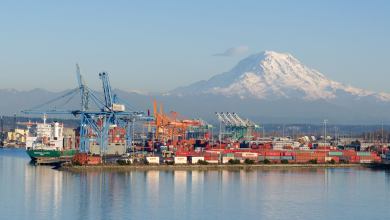
Private marine terminals in Tacoma are putting more pressure on importers to pick up containers that are left for weeks and choking the movement of cargo.
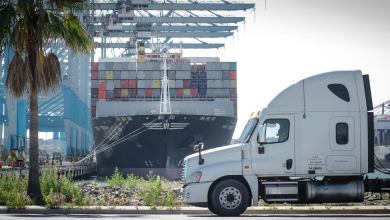
A trucking trade group is urging California Gov. Gavin Newsom to enforce a state law to prevent terminal operators and ocean carriers from charging excessive per-diem and demurrage fees and using port truckers as “a convenient ATM to bolster their profits.”

California congestion hits charter rates as ship operators waste millions waiting to get to terminals.
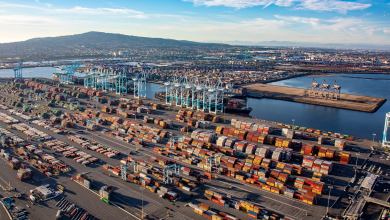
A whopping 40,000 of those containers have been at the Port of LA for nine-plus days, which is considered lingering.
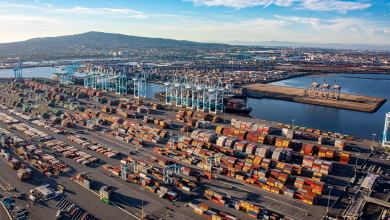
The ports of Los Angeles and Long Beach are turning into makeshift warehouses. Officials hope new fines on lingering cargo will end the practice.
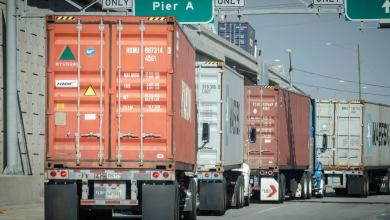
TCA and Blume Global will present a free webinar on the current congestion at the ports and how digitization can help ease the backlog.
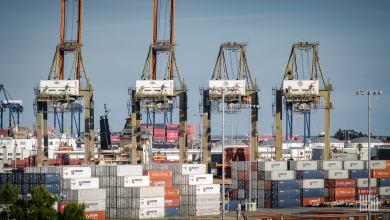
Amid global shipping congestion, GEODIS urges importers not to overlook their customs responsibilities.