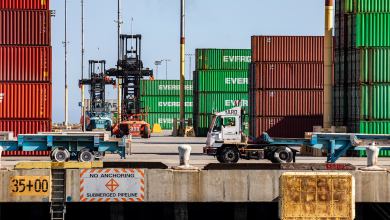
SoCal port commissions endorse carrier fines for container backlogs
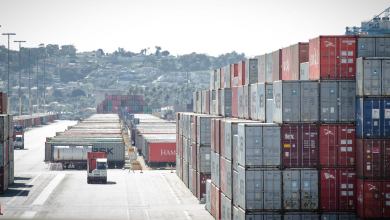
The Port of Los Angeles is hoping to scare the freight community into more efficient behavior with big fines for the slow retrieval of containers.
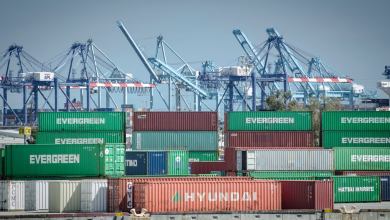
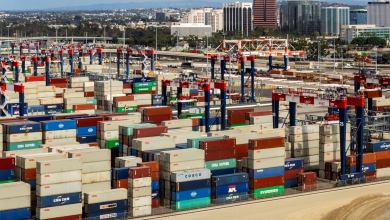
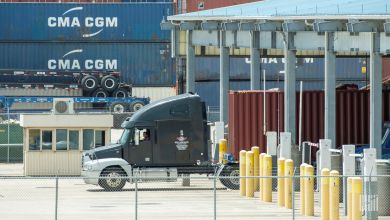
The ports of Los Angeles and Long Beach haven’t informed federal regulators yet about their plans to hit ocean carriers with big fees for excessive storage of containers.
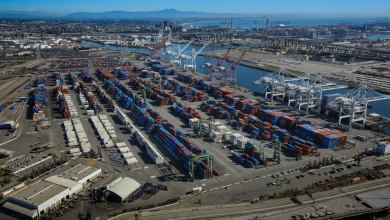
The ports of Los Angeles and Long Beach are turning to heavy-handed tactics to address a container logjam that is gumming up supply chains.
Shippers, carriers and logistics companies aren’t getting many answers yet about hefty surcharges for lingering containers at the ports of Los Angeles and Long Beach.
Companies stymied by the chip shortage have figured out a way to keep operating while cutting their losses.
The daily surcharge fines begin Monday, but there has been no immediate surge of container activity.
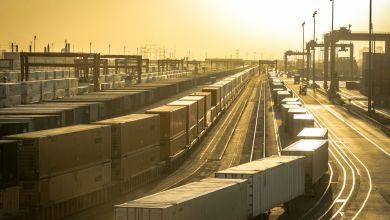
The Port of Long Beach is trying to innovate its way out of container gridlock. The latest move is regular shuttle trains to Utah to reduce less efficient truck moves.
Company shoots out the lights in the third quarter with soaring profits and EPS.
Many media outlets are reporting that a Long Beach city order will allow bigger container stacks at the port. Not true. It’s for container yards outside the harbor district.
The number of idling vessels has roughly doubled in the past decade, in part due to port congestion, a recent study finds. Idling vessels are at higher risk of biofouling, especially in warm waters.
Military truck drivers and $1,000-per-chassis tax credit incentives are part of a slate of recommendations for the commerce secretary to consider to help unclog U.S. ports.
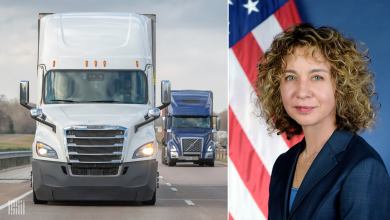
FMCSA’s Meera Joshi is taking on multiple trucking issues.
Overlapping crises have pushed the race for global visibility into a critical stage.
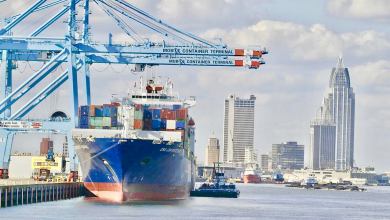
Port volumes across the Gulf Coast were boosted in September by exports of petroleum and steel and imports of refrigerated cargo.
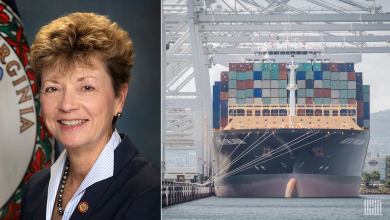
Some are questioning President Biden’s pick to lead the Maritime Administration for a lack of commercial shipping experience.
The Biden administration is pushing industry to take immediate and long-term steps to get ports and intermodal transport working smoothly.
A top Biden administration official believes securing data among supply chain competitors will be the key to rolling out a nationwide 24/7 strategy.
The Association of American Railroads applauds the 24/7 approach to container operations, which the association says is similar to the way freight railroads function.
For the time being, two ocean services will not call Georgia’s busy Port of Savannah.
Big-box retailers, FedEx and UPS have detailed plans to speed up container processing at the ports of Los Angeles and Long Beach.