




Greg Miller
Tuesday, November 8, 2022
After steep September slide, US imports stabilize in October
Imports remain 7% higher than pre-pandemic levels, with volumes steadying last month after September’s plunge.
Imports remain 7% higher than pre-pandemic levels, with volumes steadying last month after September’s plunge.
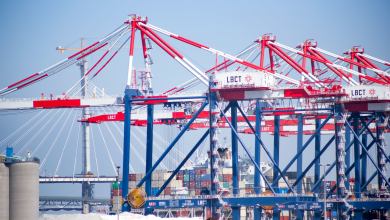
The U.S. Department of Transportation is awarding the Port of Long Beach a $30.1 million grant to replace diesel yard tractors with zero-emissions cargo-handling equipment.
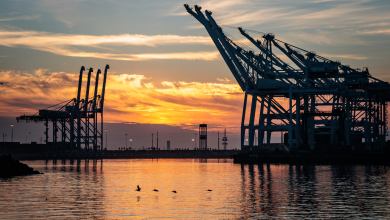
Southern California ports are being hit by double-digit import drops as the COVID-19 cargo boom winds down.
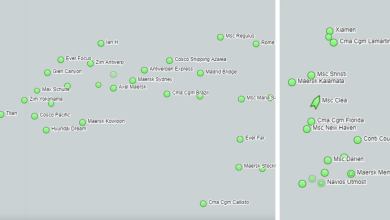
Declining imports have led to fewer container ships waiting off ports, injecting more capacity into the market, a negative for spot rates.

A new law in California will restrict the imposition of detention and demurrage charges that can be levied in the state.
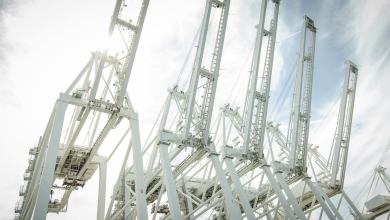
East and Gulf coast ports handled more volume than ever before in August, pulling far ahead of West Coast rivals.
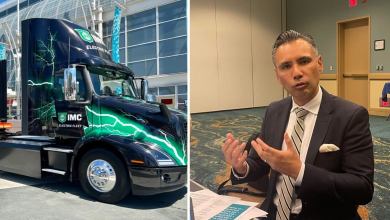
Two zero-emission-vehicle initiatives were announced at a meeting of the Intermodal Association of North America, just about the time the state was releasing its Clean Fleet rules.
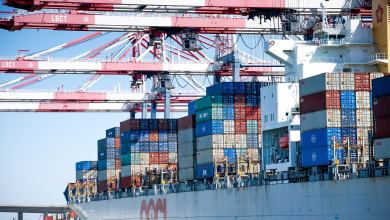
Executive Director Mario Cordero says the Port of Long Beach is “making great strides in reducing the number of ships queuing to enter the San Pedro Bay ports complex and quickly moving imports and empty containers out of the terminals.”
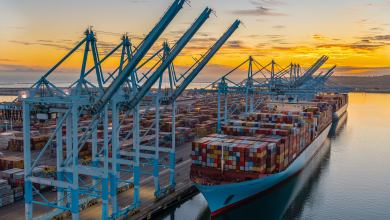
U.S. containerized imports are still near record highs, but not in Los Angeles, where they’ve fallen sharply.
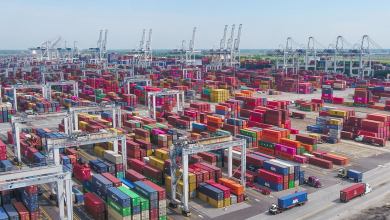
The Georgia Ports Authority says the Navis system “eliminates data silos, improves velocity across our terminals and enables us to more easily integrate with our customers to provide the data and insights they need.”
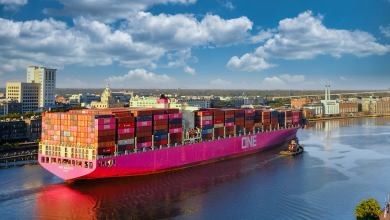
California’s container-ship traffic jam is almost gone, replaced by stubbornly high backlogs off the East and Gulf coasts.
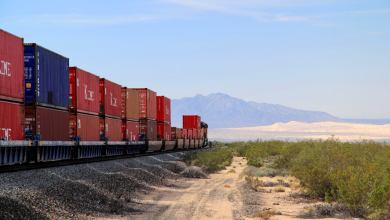
The Mojave Inland Port could reduce congestion at the ports of Los Angeles and Long Beach.
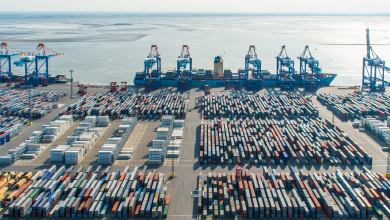
Spot rates on most global shipping routes continue to fall. The trans-Atlantic market is the exception: It’s holding firm near its high.
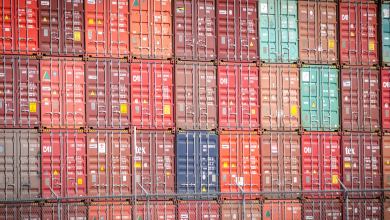
U.S. imports accelerated in July, with inbound cargo from China reaching a year-to-date high, according to Descartes.
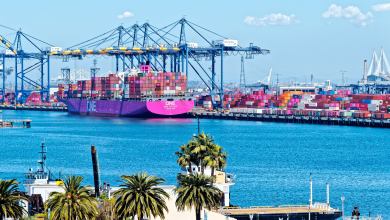
With East Coast ship queues high, port executive Gene Seroka says: “For cargo owners looking to rechart their course, come to Los Angeles.”
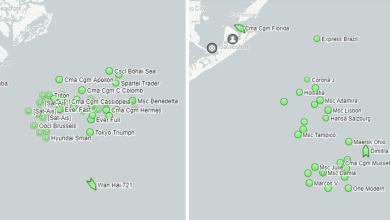
The drop in ships waiting off Southern California is deceiving. The number of ships off all three coasts is back to all-time highs.
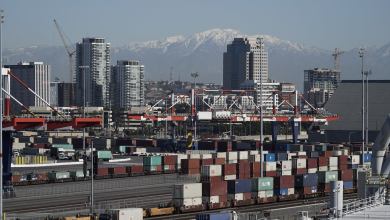
Southern California ports can’t evacuate import containers fast enough. The backlog has yet again reached critical levels.
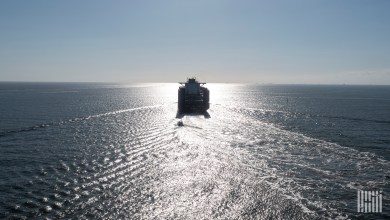
There were 125 container ships waiting offshore on Friday, including 36 off Savannah, 24 off Southern California and 20 each off Houston and New York.
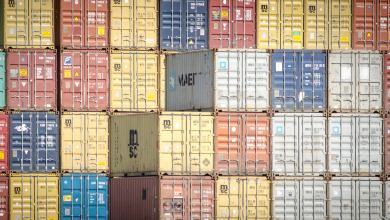
The number of import containers sitting at LA/LB terminals for nine days or more has more than doubled since February.
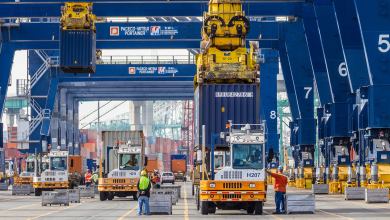
America’s peak cargo importing season will start early this year, by the end of this month, says the Port of Los Angeles boss.