




Joanna Marsh
Thursday, September 19, 2019
U.S. rail volumes remain soft in September
Trade uncertainty and loose truck capacity continue to weigh on rail traffic.
Trade uncertainty and loose truck capacity continue to weigh on rail traffic.
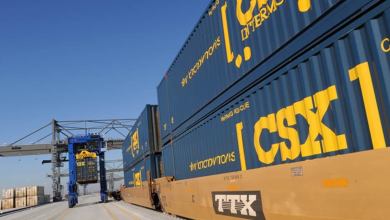
U.S. rail volumes are down nearly 4% year-to-date amid a 6.6% decline for coal and a 4% drop for intermodal.

Weakness in the manufacturing sector is dragging U.S. rail volumes lower, AAR says.

Market Voice Jim Blaze contents that railroads are using the wrong KPIs to increase volume and capture market share from trucks.
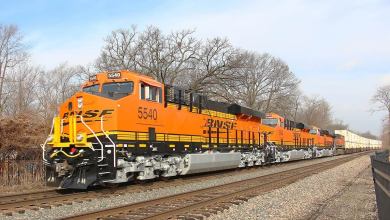
Year-to-date U.S. rail volumes are still slumping this year, due in part to a competitive truck market for intermodal shipments.
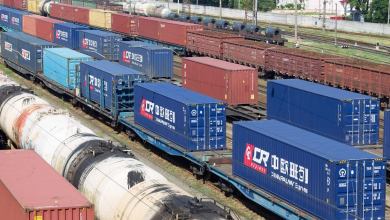
Several intermodal containers on trains running between China to Europe run empty due to lack of exporter demand for capacity.
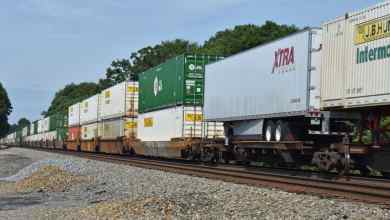
Market Voice Jim Blaze writes about rail intermodal and what is happening to this area of the railroad sector.

Using data from FreightWaves SONAR, economist Ibrahiim Bayaan writes about the state of the U.S. retail market and what is ahead for this key sector.

The continued slump in U.S. rail volumes is putting pressure on overall North American rail volumes.

Year-to-date North American rail volumes fell 2.3 percent last week. But what about for the rest of the year?
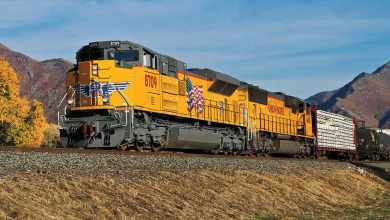
As railroads cut less profitable routes, shippers should learn as much as possible about railroads plans for future service.

U.S. rail carloads no longer appear to be following the lead of broader economic indicators. Why? Look to concerns about rail service reliability and trade uncertainty as answers.

Chinese tariffs are impacting American agriculture. But declines in exports to other countries are also hurting American agriculture.

U.S. railroad operations loaded 5.5 percent fewer carloads and intermodal units in July, and trade uncertainty could threaten to maintain that downward trend in rail volumes for the remainder of 2019.
Jim Blaze writes about the recent history of intermodal rail service and what may happen in the next few years.

The U.S.-China trade war has dropped trade volumes between the two countries to date in 2019. One result – Mexico is now the #1 trade partner of the U.S.

North American rail volumes are still lower year-over-year, but U.S. carloads recovered somewhat last week.
The Class I railroads have reported their second quarter/first-half of 2019 results. Jim Blaze writes about what may happen during the remainder of 2019.

The continued decline of U.S. rail volumes was one of the themes mentioned in the second quarter earnings calls for CSX and Canadian Pacific.

Jim Blaze writes about earnings season for the railroads, and what investors, customers and employees should be looking and asking for in the railroads’ quarterly earnings reports.