Rail labor groups seek federal oversight on temporary waivers
The groups want the Federal Railroad Administration to ensure that railroads’ requests to waive certain regulations stem from a true labor shortage.
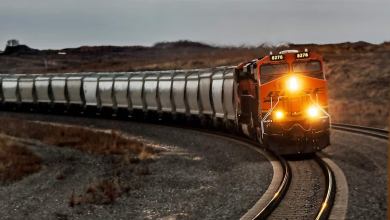
Transporting grain is a major source of revenue for the railroads. How will the coronavirus impact the grain market and the railroads?
The railroads say the coronavirus pandemic could influence their financial results in 2020, but how deep that impact will be will depend on how long the pandemic lasts.
The coronavirus is impacting all sectors of the economy, and railroads are no different. Read what expert Jim Blaze thinks will happen going forward.
Should the railroads pare the number of types of railcars? Jim Blaze explores this topic.
Import volumes are showing the first signs of recovery since the initial decline in early February.
Are there too many railroad freight cars? Jim Blaze writes about many reasons why this is the case.
The Brotherhood of Locomotive Engineers and Trainmen wants freight and passenger railroads to temporarily alter their sick leave policies and provide stronger sanitizing materials.
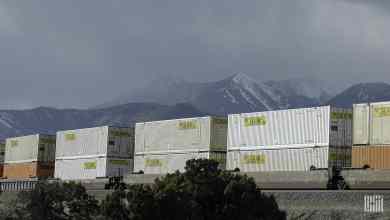
Jim Blaze writes about the outlook for intermodal rail in 2020.
Excluding coal carloads, U.S. carloads in February fell only 0.8% from last year, according to the Association of American Railroads.
The rail industry could see merger activity in the next five to 10 years should the regulatory and economic environment make them necessary.
FreightWaves Market Expert Mike Baudendistel writes about the issues impacting rail intermodal in 2020, and the ongoing battle between the railroads and the trucking industry.
The rule, effective on April 3, addresses concerns of shippers, particularly those involved in paper products, steel scrap and agricultural goods.
Positive train control has been fully implemented on the Class I rail network, with 48% of the network able to communicate with tenant railroads.
In the past 30 years railroad freight cars have been able to carry heavier loads, thanks to decisions made in the late 1980s. Read Jim Blaze’s article about what happened and how it has been very important to the railroads.
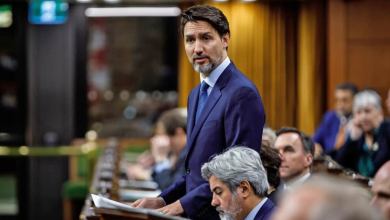
Canada’s prime minister calls two-week-long disruptions to country’s supply chains in protest of a gas pipeline ‘unacceptable and untenable’ as rail freight continues to shift to trucks.
The Canadian Trucking Alliance calls for an end to disruptions to Canadian National’s network as it warns of effect on intermodal carriers and the broader industry.
Railroads once carried much of the fresh produce across the U.S. Can they do it again? Jim Blaze explores the topic in his latest commentary.
Labor attorney takes issue with allowing carriers to keep accident evidence from being used in court.
The court ruled in favor of the Class I railroads and said SMART-TD must discuss crew size during ongoing collective bargaining negotiations.