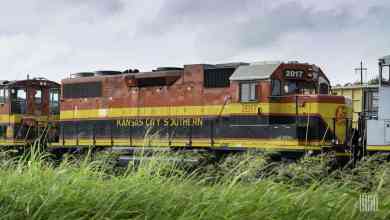
Rail blockade ends in Mexico after 60 days of protests
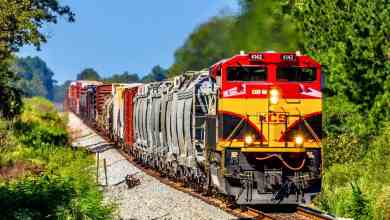
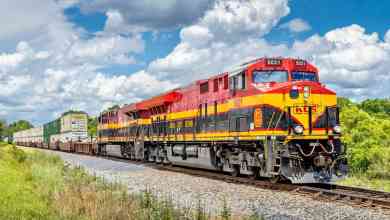
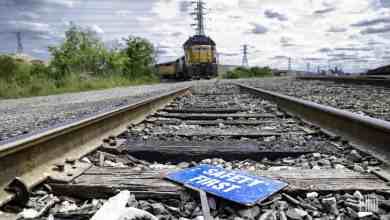
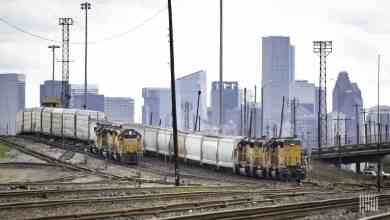
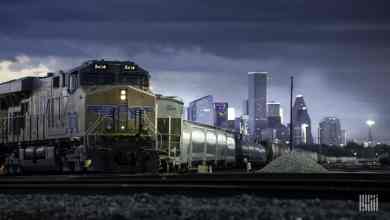
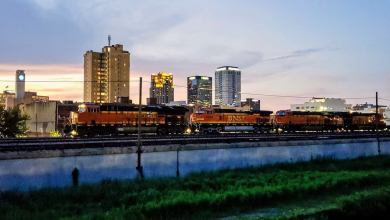
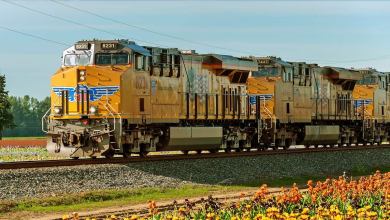
A rail blockade in west-central Mexico has ended, freeing key rail lines connecting to the Mexican seaport of Lázaro Cárdenas on the Pacific coast.
Railroads are leveraging automation and evaluating assets to improve fuel efficiency. Corporate climate goals are on the rise as railroads increase their conservation and emission-reducing efforts.
The U.S. rail network comprises nearly 140,000 miles of track, broken into three main categories.
Freight trains can carry a multitude of cargo, with car variations to serve each type.
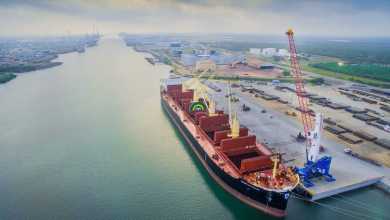
The Port of Brownsville recently received a $14.5 million grant to expand and upgrade the port’s 3 million-bushel grain elevator, including rail and road improvements.
The Agriculture Transportation Coalition, together with TradeLanes, surveys hundreds of American shippers about the cost to their bottom lines of uncommunicated earliest return dates from ocean carriers.
Freight volumes are not the only thing putting pressure on capacity.
The inability of ocean carriers to timely inform shippers of schedule changes results in costly logistics disruptions and potential for lost international sales.
Borderlands is a weekly rundown of developments in the world of United States-Mexico cross-border trucking and trade. This week: Mexican train blockade costing millions; Toyota and VW expand in Mexico; tire manufacturer opens Houston facility; Xxentria opens border operation; US, Mexico and Canada extend border closures.
CBP’s Virtual Trade Week symposium kicked off Tuesday with a panel on the advantages of United States-Mexico-Canada Agreement.
Logistics aid network seeking assistance from transportation sector.
The views expressed here are solely those of the author and do not necessarily represent the views of FreightWaves or its affiliates. That search for modal share growth is still fundamentally the real strategic challenge for the seven Class 1 North American railroads. Profitability remains excellent. Net cash flow? Down a bit during the second quarter […]
About 25% of the total railcar fleet is in storage of one kind or another. Jim Blaze writes about best practices of rail storage.
The cost to build a railroad is staggering. Jim Blaze gives an overview of the costs involved in such an endeavor.
Jim Blaze explores the pontential for a merger or mergers among the Class 1 railroads.
Railroad volumes continue to drop. What might they do to increase volumes? Where are the volume increases going to come from?
Jim Blaze writes about the advantages to the railroads of rebuilding locomotives instead of buying new ones.
Like all industries, the coronavirus has impacted railroads. What should they be doing to gain market share and better serve their customers?
Even before the COVID-19 pandemic the Class I railroads were mothballing freight cars – and locomotives. Jim Blaze examines the issues surrounding the surplus of locomotives.
The pandemic’s economic toll has hit all sectors of transportation, including rail. Read how railroads can manage costs during this global crisis.