




Joanna Marsh
Thursday, September 19, 2019
U.S. rail volumes remain soft in September
Trade uncertainty and loose truck capacity continue to weigh on rail traffic.
Trade uncertainty and loose truck capacity continue to weigh on rail traffic.

The Port of Savannah’s expansion plans will benefit shippers — so long as infrastructure needs outside the port are met.

The trade group has been lobbying Congress to make permanent a tax credit for infrastructure investments.
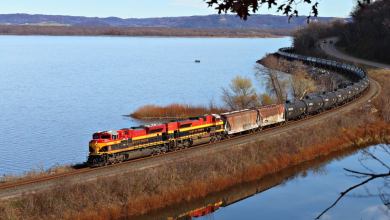
The railroad, which has dedicated operations in Mexico, has invested in capital infrastructure related to energy.

The Surface Transportation Board has proposed two rules that could ease shippers’ burdens when contesting rail rates.

CSX needs to be more proactive if wants to compete with trucks, CSX’s chief said.
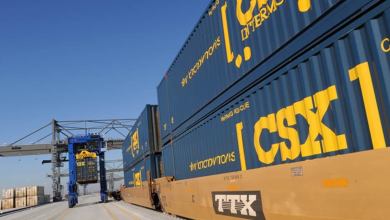
U.S. rail volumes are down nearly 4% year-to-date amid a 6.6% decline for coal and a 4% drop for intermodal.
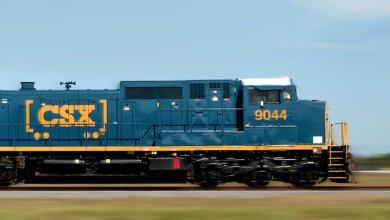
Three Class I U.S. rail operations earned enough returns on investment in 2018 to support their capital projects.
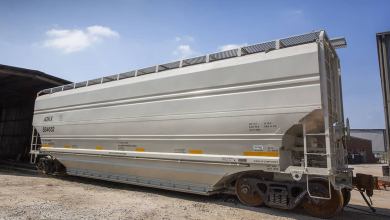
The railcar manufacturer says the covered hoppers are shorter but enable faster grain discharges.
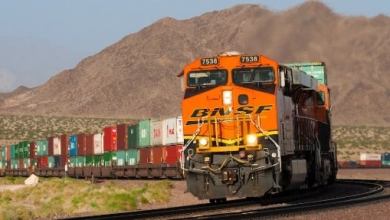
This week’s addition of intermodal volume data to our SONAR platform brings us one step closer to having price, volume, and capacity for all modes of transport including air cargo, trucking, inland waterways (barge), ocean and rail.

The two railroads said customers should expect delays and possible rerouting.
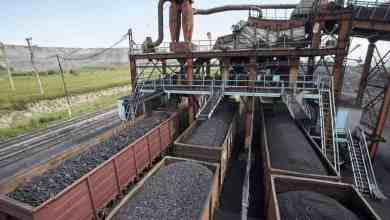
The decline in U.S. coal production could cost the railroads billions in lost revenue.
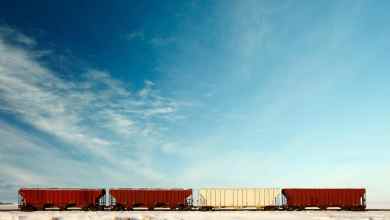
Weakness in the manufacturing sector is dragging U.S. rail volumes lower, AAR says.
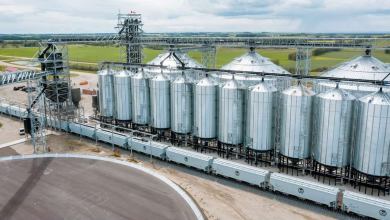
Grain shippers wonder if the Canadian railways will keep up with demand in the 2019-20 crop year.
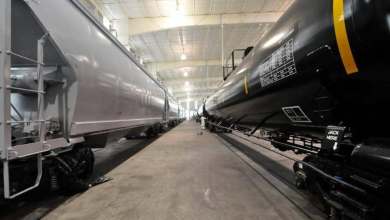
With rail traffic lower year-over-year and PSR initiatives in full swing, it’s understandable that soft railcar demand attracted attention at an investor conference.

Slumping coal demand, trade wars and a competitive truck market are weighing on rail volumes for the remainder of the year.

The railroads say customers should expect delays and rerouting because of the hurricane
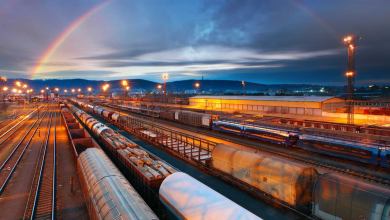
Market Voice Jim Blaze contents that railroads are using the wrong KPIs to increase volume and capture market share from trucks.
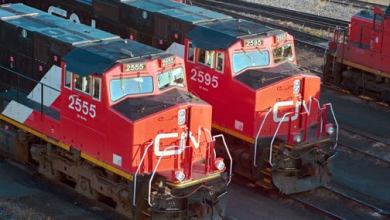
The line serves communities in western New York and eastern Canada near the St. Lawrence River.
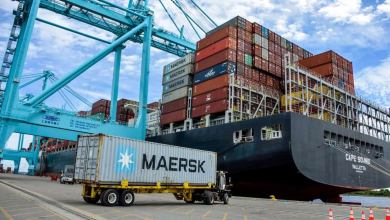
Logistics and transport sector ramps up contingency plans for Hurricane Dorian, while continuing to operate until better forecasts are available.