




Rates



Brian Straight
Tuesday, June 7, 2022
Trucking faces more exposure in 2H as container volumes drop: FreightWaves’ Fuller
A combination of rising fuel prices, lowering spot rates and falling imports makes for a freight market in transition.

Ashley Coker Prince
Friday, January 28, 2022
Safeguarding shipper-carrier relationships throughout negotiations
Shippers are buoyed by the promise of falling rates in the coming months, but this optimistic outlook may put even more strain on rate negotiations in the meantime.

Ashley Coker Prince
Tuesday, October 12, 2021
Shippers be nimble, shippers be quick – to survive
When the market shifts, flexibility is the key to acting fast and capitalizing on new opportunities. Despite this, many processes in the industry can be quite rigid.

Daily Infographic: Dedicated Solutions Designed for Each Customer
CRST’s dedicated solutions place the individual customer at the focus to add value and maximize service.

Sponsor
Wednesday, May 19, 2021
Loadshop helps carriers fill their trucks — and keep them full
Loadshop is a growing digital freight marketplace that continues to expand its capabilities while driving efficiency and transparency for both shippers and carriers
FreightWaves Staff
Sunday, May 9, 2021
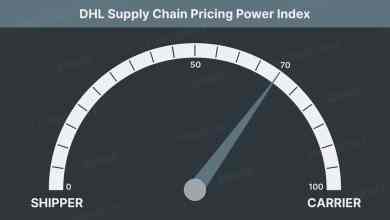
Rates have peaked, spending is slowing — does it matter?
are pumping across the country, but it seems routing guides have finally shown signs of improvement. Pair the declining electronic tenders with declining tender rejections, fewer spot volumes, and both contract and spot rates headed lower, the picture of an improving environment can be visualized.
FreightWaves Staff
Friday, April 2, 2021
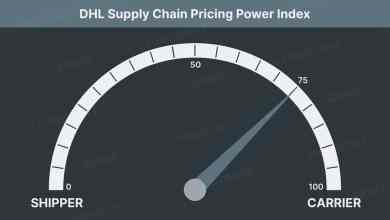
Backdrop for carriers picture perfect as produce season begins
Service-based spending categories like airlines, lodging and restaurants all were positively impacted by the stimulus, but the top 5 biggest growth segments came in goods. With the roaring consumer economy, blossoming industrial recovery, white-hot housing market and historically depleted inventories, there’s very little outside of severe inflation that could derail this trucking market.
FreightWaves Staff
Friday, January 8, 2021
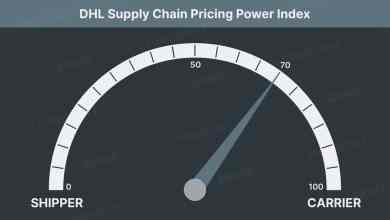
Freight bull market rages on in the new year
The stage is set for a historically strong Q1 for freight with a slow vaccine rollout keeping a lid on services spending, and consumers are flush with recent stimulus as well as the hopes for more to come. The freight bull market rages on to start 2021.
FreightWaves Staff
Friday, December 11, 2020
One last leg up before the new year?
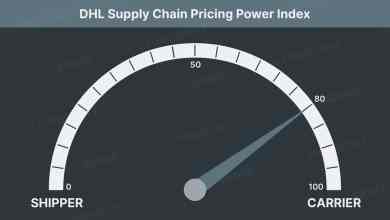
There is a strong pipeline of West Coast imports that should feed those markets well into Q1, but the retail portions will be less time-sensitive post-Christmas. The one factor that may be suppressing volumes in the holiday season is retailers’ decision to slow the velocity of their sales in the face of low inventory levels.
FreightWaves Staff
Friday, November 13, 2020
Carriers reigning supreme this peak season
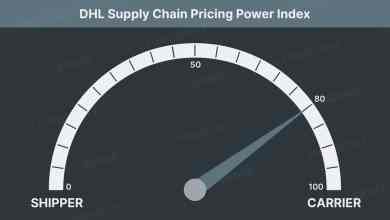
We expect strong holiday truckload and parcel demand
driven by a consumer spending portfolio that has been weighted heavily toward goods over services since the pandemic began. We believe that we are now in peak season and that shippers’ requests for trucking capacity will continue to rise.
FreightWaves Staff
Friday, November 6, 2020
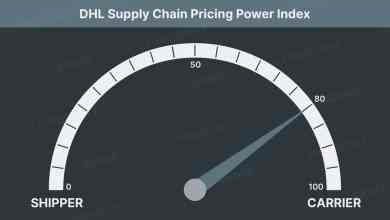
Buckle up — rates and volumes up 20% year-over-year and trending higher
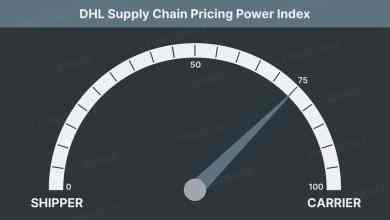
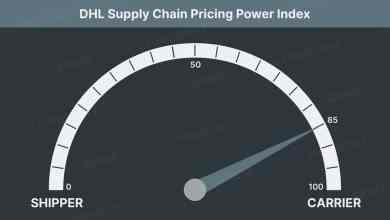
This week’s DHL Supply Chain Pricing Power Index: 80 (Carriers) Last week’s DHL Supply Chain Pricing Power Index: 75 (Carriers) Three-month DHL Supply Chain Pricing Power Index Outlook: 65 (Carriers) The DHL Supply Chain Pricing Power Index uses the analytics and data in FreightWaves SONAR to analyze the market and estimate the negotiating power for […]
FreightWaves Staff
Friday, October 30, 2020
Will this be a record-setting season for carriers?
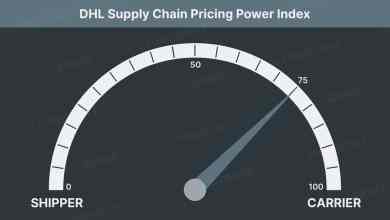
Freight volumes and capacity remain historically strong for carriers even though OTVI and OTRI have fallen steadily throughout October.
FreightWaves Staff
Friday, October 23, 2020
Carriers cruising into red-hot holiday season
This week’s DHL Supply Chain Pricing Power Index: 75 (Carriers) Last week’s DHL Supply Chain Pricing Power Index: 80 (Carriers) Three-month DHL Supply Chain Pricing Power Index Outlook: 75 (Carriers) The DHL Supply Chain Pricing Power Index uses the analytics and data in FreightWaves SONAR to analyze the market and estimate the negotiating power for […]
FreightWaves Staff
Friday, October 9, 2020
Chaos is the new norm (with video)
We have officially moved back into “broken record” territory that we have not seen since February. While volumes are flowing at record levels and capacity is as tight as it’s ever been, there is little volatility at the moment.