




Kim Link Wills
Thursday, October 7, 2021
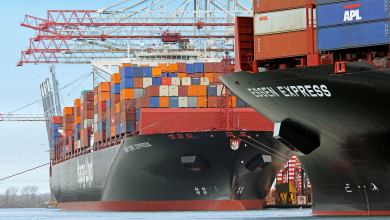
Hapag-Lloyd CEO: ‘We are probably in the peak of the problems’
Yes, despite the headaches, the ocean carriers are making boatloads of money.
Yes, despite the headaches, the ocean carriers are making boatloads of money.

People use the term “contract rate” in trucking and think that it is binding. It is not. In reality, it just means a prenegotiated rate both parties have the right to reject at the time of the tender.

There has never been more attention paid to freight transportation than what we are experiencing now. And like the Wall Street Bets crowd on Reddit, our industry loves talking about the direction of the market. While FreightWaves and other industry publications have always talked about freight rates, mainstream media is getting into the game. This […]
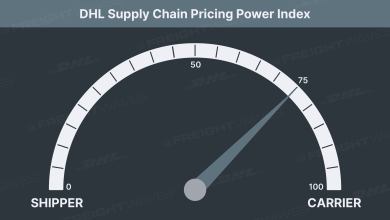
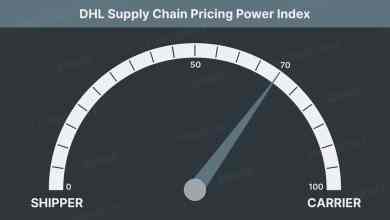
Strong freight volumes signal that carriers are firmly in the driver seat with regards to pricing power.

Learn how technology and automation can help maximize profits and strengthen your partner relationships at MyBlueGrace.com
Spot rate snap back signals that carriers are firmly in the driver seat with regards to pricing power.
In this sensitive market, small changes to the balance have deep, long lasting impacts.
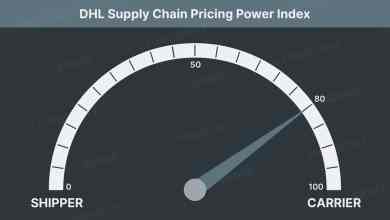
In this sensitive market, small changes to the balance have deep, long lasting impacts.
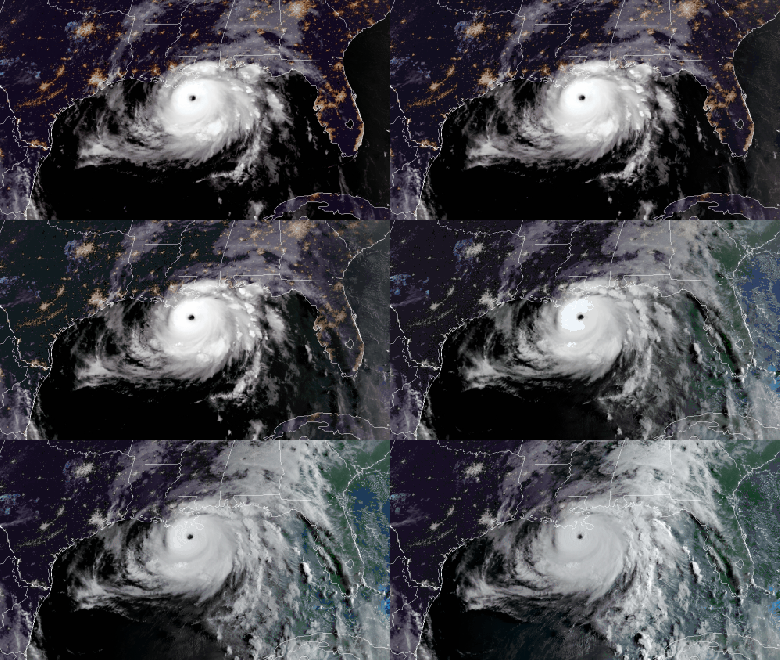
Will Hurricane Ida impact freight contracts? Will carriers move from shippers’ contracted freight to the spot market?
The rise in volumes continues to outpace the rise in rejection rates, and spot rates keep climbing.
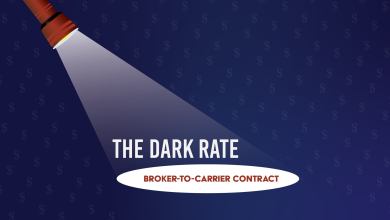
There is a true broker-to-carrier contract rate that reflects the model of our industry. That rate distorts the true spot rate and should account for maybe two-thirds of the rates brokers provide to benchmarking tools.

On this episode of Great Quarter, Guys, Andrew Cox and Anthony Smith talk about the continued shortage of ocean containers.
Beginning in the second quarter, there was a notable shift in the types of loads shippers were tendering. Why would this assist with increasing compliance?

We have a new winner in the ocean shipping game of “How High Can Rates Go?” — about 15 times higher than before the COVID crisis.
We’re two weeks into the third quarter, a time when seasonal freight movement moderates ahead of the back-to-school season and the eventual peak holiday season. Thus far, the moderation simply hasn’t materialized.

Two of the nation’s largest centers for outbound freight demand saw record low levels of carrier acceptance rates this past week. This comes as the worst of the COVID capacity crunch appeared to be in the rearview mirror.

Shippers may have had a little more success with contracted carriers in May, but it came at a high cost.
Reefer rejection rates tumbled once again over the past week, and the national reefer rejection average is now below 40% for the first time since the second week of September.

Truck broker Landstar System raises its second-quarter guidance as shipments and pricing outpace its initial outlook.

Container rates are in uncharted territory. If demand continues to outpace supply, there’s little to stop them from ascending further.