Failing in the last mile? The problem may be in the middle mile
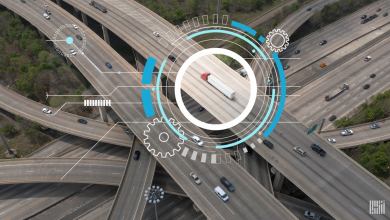
Many shippers struggle to succeed at last-mile delivery, often at the mercy of a delivery partner. But getting a handle on the middle mile can improve the chances of last-mile success.
More than 220 of the most innovative freight companies were nominated. Those were narrowed down to the top 100.
From 1987 to 2017, frontal air bags saved 50,457 U.S. lives.
CRST’s dedicated solutions place the individual customer at the focus to add value and maximize service.
The fast pace of logistics today has no patience for paperwork; it’s evident that today and tomorrow are digital.
Learn how technology and automation can help maximize profits and strengthen your partner relationships at MyBlueGrace.com
Companies spend more than 10,000 man hours rating invoices every year. Dynamic rating solutions can change that.
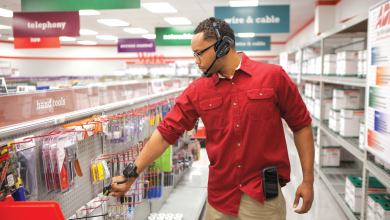
PICKUP CEO Brenda Stoner said that in last-mile big-and-bulky delivery, it’s a combination of people and technology that makes it work.
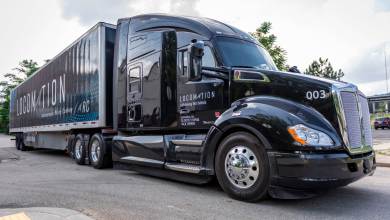
Most often, hesitation surrounding autonomous vehicles centers on cost and safety concerns. Locomation set out to address these pain points with a phased approach.
The tech-focused online seller is bringing same-day services across Southern California, reaching the state’s five largest counties.
This white paper shares the importance of visibility technology in enabling your resources to do more with their time.
In a world inundated with new technology, how can your company leverage tech without being overwhelmed? Find out on this episode of Cyberly.
Reductions in crashes and claims from use of various technologies
College campuses are bastions of learning, community, debauchery and … robots?
Like it or not, drones are entering your airspace across the United States, and they’re delivering a wide range of merchandise
The key to strong relationships can be augmented by finding companies that are willing to share in the inherent risks that come with moving inbound and outbound freight. Relationships and good risk management strategy do not exist to absolve one party of responsibility, shifting blame onto the other.
It is impossible to predict exactly when an incident will occur on the road. It is possible, however, to have a predictable system for processing safety issues and handling corrective training, driving down the odds of the same types of issues continuing unchecked.
Historically, the cultural fit between a brokerage and technology partner has been glossed over in partnership discussions. As these relationships become more collaborative and dynamic, however, the importance of culture is becoming more pronounced.
Companies will demand a full, scalable suite of services from their partners over the next few years, leading to widespread consolidation and the emergence of a handful of clear leaders with considerable market share.
The instability of a global pandemic made it clear that up-to-date technology is required to survive, not just thrive.