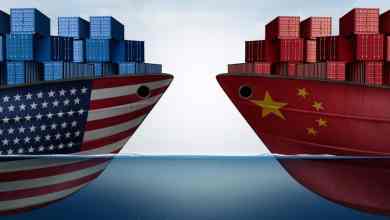
Today’s Pickup: And so it begins, trade war rhetoric escalates
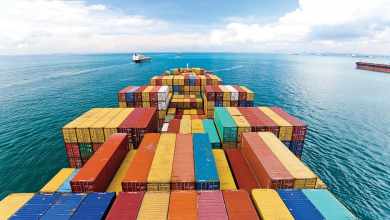
Predictions about a freight market recovery in the dry bulk and container markets can be left high and dry, if the unexpected factor of a trade war comes to fruition.
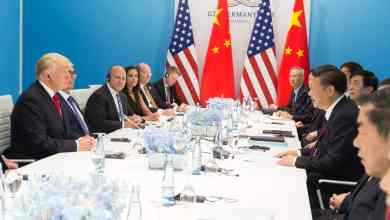

Trade war fears have caused increased volatility in stock markets over the past month. However, worries over a deep recession caused by protectionism appear overblown for now. The challenge for transportation companies will be less about a collapse in activity and more about adjusting to the new reality.
Soybean exports to China have been levied 25% additional tariffs as China hits back with tariffs on U.S. exports worth $50 billion annually.
China has increased tariffs by up to 25% on 128 U.S. products, in retaliation for the tariffs added by the U.S. last week. The Chinese tariffs target farm products, with the severely hit being pork exporters.
The US appears set to impose significant tariffs on China, raising the threat that the economy may find itself in a full-fledged trade war
Vietnam is the fastest growing supplier of electronics and apparel to the United States, and a fresh wave of foreign investment has the country poised to realize gains in worker productivity.
The trade deficit widened in January, and the prospects of a trade war have clouded the outlook for transportation both in and out of the country
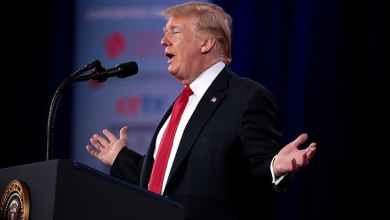
Trump recently announced plans to implement tariffs on steel and aluminum imports beginning next week. This move should help bolster the US domestic steel industry, but comes with many unintentional consequences affecting transportation and the economy overall
On Friday, the U.S. Department of Labor published a Notice of Proposed Rulemaking that expands the ability of associations to offer health insurance plans.
The Trump administration is considering tariffs on foreign steel as a way to boost the purchase of American steel. But will this Buy American approach lead to an in increase in vehicle and other manufacturing costs?