




Tony Mulvey
Friday, November 19, 2021
Holiday impacts starting to hit truckload market
Rejection rates have accelerated over the past week as drivers start to come off the road for the holiday.
Rejection rates have accelerated over the past week as drivers start to come off the road for the holiday.
Volume growth dissipates to kick off November while rejection rates remain well below year-ago levels.
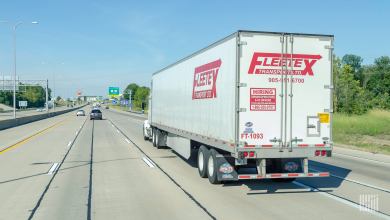
The trucking spot market is showing signs of softening in a somewhat unexpected time. Should shippers breathe a sigh of relief or is this the calm before the storm?
Volume growth dissipates to kick off November while rejection rates remain well below year-ago levels.

FreightWaves adds spot rate data and a new market analytics application inside its SONAR platform.
Volume growth dissipates to kick off November while rejection rates remain well below year-ago levels. Tightness in Southern California will put upward pressure on rates.
Volume growth dissipates to kick off November while rejection rates remain well below year-ago levels. Tightness in Southern California will put upward pressure on rates.
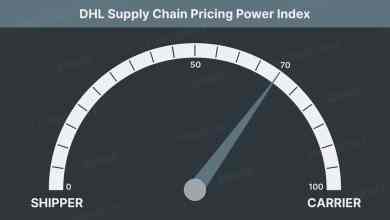
Tender volumes rebound as tender rejection rates jump back over 20%. Meanwhile, spot rates break the three-week downward decline.
Load volumes are stable with volume growth inbound. Spot rates follow rejection rates on a downward slide.
Load volumes are stable with volume growth inbound. Spot rates follow rejection rates on a downward slide.
Freight volumes in the largest markets are starting to accelarting, signaling the start of the peak truckload season.
Freight volumes in Southern California are starting to ramp, signaling the start of the peak truckload season.
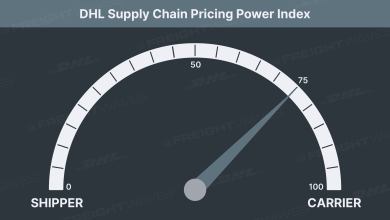
Elevated accepted tender volumes and rates signal that carriers are maintaining pricing power. Truckload capacity constraints are easing as contract rates climb.
Strong freight volumes signal that carriers are firmly in the driver seat with regards to pricing power.
Strong freight volumes signal that carriers are firmly in the driver seat with regards to pricing power.

Congestion around the ports and drayage capacity issues are pushing shippers to use trucks more frequently while loaded container volumes dip. But shipping patterns are changing in more ways than just mode conversion.
Spot rate snap back signals that carriers are firmly in the driver seat with regards to pricing power.

Increasing the time between the request and requested pickup date is supposed to increase your odds of securing capacity. The aggregate data shows the opposite, but there is more than meets the eye.
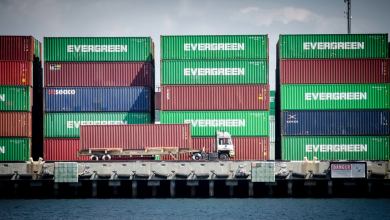
Shippers are requesting as much capacity as ever from maritime shippers in August after slowing their pace through most of the summer. What should we take away from this?

There are numerous reasons carrier compliance rates have been increasing over the past few months. An increase in short-haul freight may be making it easier for carriers to cover more freight.