




John Paul Hampstead
Thursday, January 1, 2026
GDP grew 4.3% in Q3, and it was ‘healthier’ growth
Consumer spending and exports played a much bigger role.
Consumer spending and exports played a much bigger role.
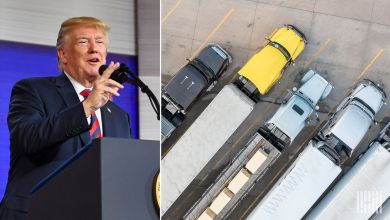
May’s inflation data was set to be the first real test of how consumer prices would be impacted by historically high tariffs.

With so many fingers pointed at so many targets, the Q1 GDP data must have been an absolute disaster, right? Well, no.

The strength in ocean bookings today will not translate into domestic freight volumes until May at the earliest.

The difficulty in comparing “hard” versus “soft” data is that sentiment influences decisions that will eventually bear out in the hard data.

In the run-up to Tuesday’s promised barrage of tariffs against Mexico, Canada and China, the U.S. industrial sector is not looking so hot — a dark omen for domestic freight demand.

If consumers were able to keep pace with the incredible inflation of the early pandemic, they should be able to weather any storm kicked up by tariffs.
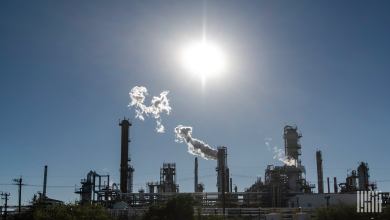
New tariffs pose a significant challenge for U.S. refiners, who are already grappling with declining profit margins.

Even cars assembled in the U.S. are not exempt from tariff shocks, as components from Mexico and Canada account for roughly 10% of the value of U.S.-built cars, with an additional 5% to 6% coming from Chinese inputs.

Businesses are heading into 2025 with lean inventories and high demand from consumers.
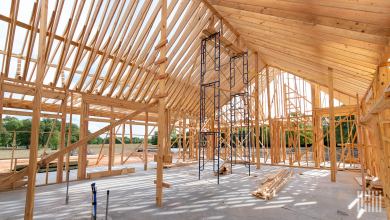
Consumers’ growing pessimism could trigger a pullback in discretionary purchases, directly weighing on trucking demand.

Despite encouraging signs, the U.S. manufacturing sector remains in the early stages of recovery.
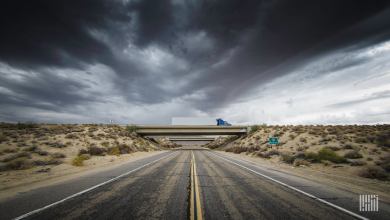
Despite aggressive interest rate hikes by the Fed aimed at curbing inflation, the CPI’s decline in yearly growth has been gradual and uneven.

A stable labor market suggests carriers are less likely to face harsh wage competition, a common concern during periods of labor scarcity.
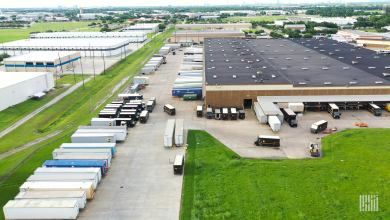
With record inventories building and bottlenecks easing is deflation next?

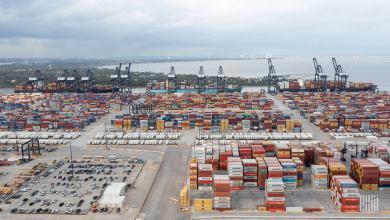
Although “Containers Don’t Lie,” the story they are telling may not reveal the entire picture.

U.S. retail spending fell by 8.7% last month; oil demand to fall by 29M barrels a day in April; companies look to diversify procurement geography.

Bob Costello expects many trucking companies to go out of business before the economy recovers from the recession caused by the coronavirus pandemic.
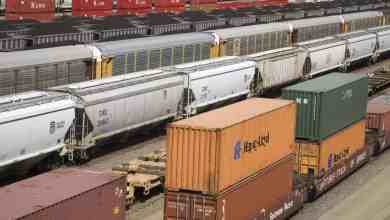
Freight rail trade and labor groups applaud the U.S. federal government for passing the $2 trillion stimulus package aimed at stabilizing the American economy amid the coronavirus pandemic.

Darren Prokop writes about the key role that transportation in the war against COVID-19 – particularly trucks.