




(UPDATED 12:30 p.m. ET)
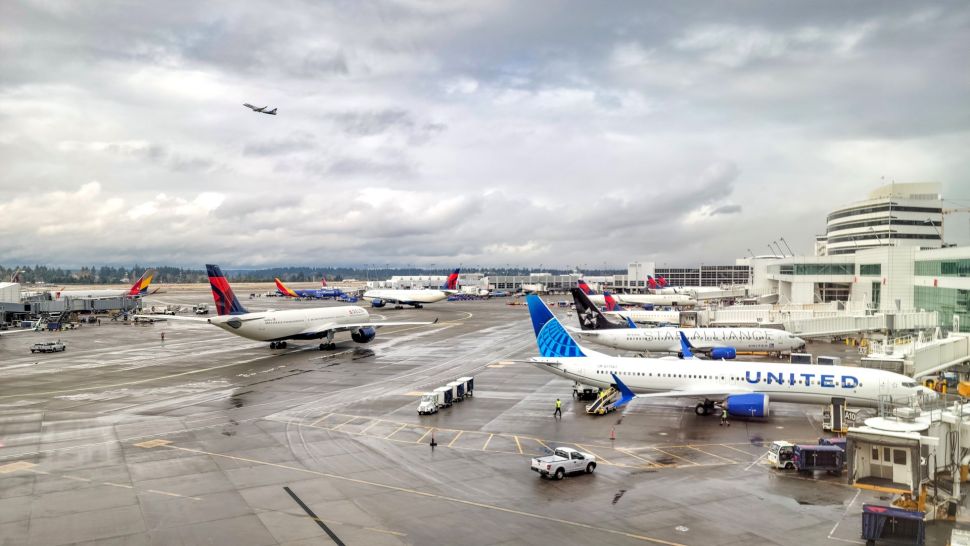
United Airlines announced Tuesday afternoon that it has lifted a planned embargo for cargo on narrowbody flights at Seattle-Tacoma International Airport after news that crews have begun to repair a leak in the pipeline serving the airport. The leak, which lasted more than a week, created fuel shortages for airlines.
United Cargo (NASDAQ: UAL) said in a note to customers late Monday that it would place a temporary embargo on all shipments to and from Seattle carried on single-aisle passenger aircraft, such as the Boeing 737-800 and the Airbus A320, starting on Wednesday. Small parcels under 100 pounds and life-saving medical shipments were to be exempt from the ban.
“This measure is being implemented out of caution to support fuel conservation efforts at the airport and will be in effect until further notice,” United Cargo said.
BP’s Olympic Pipeline has been shut for more than a week because of a fuel leak near Everett, Washington. BP released a statement Monday night that crews had identified the source of the leak and are developing plans for repairs and a partial restart.
Alaska Airlines (NYSE: ALK) and Delta Air Lines (NYSE: DAL), with the largest presence and fuel requirements in Seattle, have moved to minimize the disruption to travelers during the busy Thanksgiving period.
Alaska Airlines is gassing up fully at departure cities to allow aircraft to make roundtrips and reduce the amount of fuel needed from Sea-Tac airport, the company said in a statement. It has also expanded operations to supply jet fuel by truck and is adding a fuel stop to about a dozen domestic long-haul flights per day. The fuel stop allows a flight to depart Seattle with limited fuel and land at an airport along the flight path to pump in additional fuel before continuing to the destination airport.
Delta has also transported extra fuel with tanker trucks, but discontinued fuel stops on select long-haul flights on Tuesday, Delta spokesperson Morgan Durrant said.
Click here for more FreightWaves/PostalMag stories by Eric Kulisch.
Sign up for the biweekly PostalMag newsletter The Delivery here.
RELATED READING:
MD-11 freighters face ‘extended grounding’ for inspections, airline says
Brokerage Compliance Symposium
The day before F3. Every compliance issue you face - fraud exposure, carrier liability, FMCSA rules, cargo theft, insurance gaps - navigated by attorneys and operators defining best practices in a changing industry.
F3 Awards Dinner
The night before F3. FreightTech100 companies honored. FreightTech 25 and Shipper of Choice winners revealed live. Cocktail reception into dinner and live music - 300 industry leaders in one purpose-built room.
F3: Future of Freight Festival
Industry-defining keynotes, rapid-fire technology demos, and industry leaders networking in experiences across Chattanooga - plus the inaugural F3 Awards Dinner featuring the FreightTech and Shipper of Choice reveals.
The day before F3. Every compliance issue you face - fraud exposure, carrier liability, FMCSA rules, cargo theft, insurance gaps - navigated by attorneys and operators defining best practices in a changing industry.
The Signal at Chattanooga Choo Choo • Chattanooga, TN Register NowThe night before F3. FreightTech100 companies honored. FreightTech 25 and Shipper of Choice winners revealed live. Cocktail reception into dinner and live music - 300 industry leaders in one purpose-built room.
The Signal at Chattanooga Choo Choo • Chattanooga, TN Register NowIndustry-defining keynotes, rapid-fire technology demos, and industry leaders networking in experiences across Chattanooga - plus the inaugural F3 Awards Dinner featuring the FreightTech and Shipper of Choice reveals.
The Signal at Chattanooga Choo Choo • Chattanooga, TN Register Now