




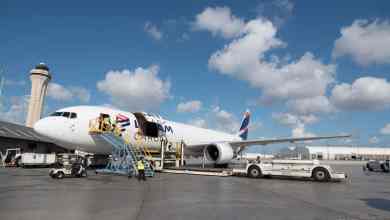
LATAM Airlines files for bankruptcy protection
LATAM Airlines is looking for protection from creditors as it downsizes, something that all airlines are trying to figure out how to do in the face of a pandemic that has wiped out travel demand.
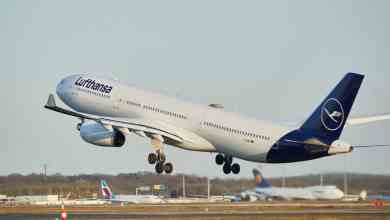
German government offers Lufthansa $10 billion bailout
Lufthansa will temporarily become a German-state owned company again with a pending plan to give the airline billions of dollars in emergency aid to withstand the fallout from the coronavirus.

Air France-KLM bids adieu to A380 jumbo jet
(Updated May 25, 2020, 8:10 P.M. ET, with news about Emirates.) Air France-KLM Group (FP: AF) said it has permanently eliminated double-deck Airbus A380 aircraft from its fleet, joining other airlines that also are rationalizing fleets to contain costs amid a dramatic downturn in business caused by the coronavirus pandemic. The current economic hardship accelerated […]
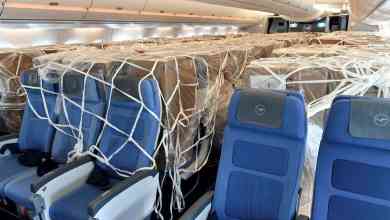
FAA approves cargo to ride in passenger seats
One of the big innovations for passenger airlines during the coronavirus era is using their planes as dedicated cargo haulers. Cargo 2.0 was putting boxes in storage bins and other seats. Cargo 3.0 is cargo on seats.
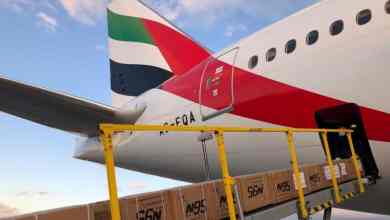
Governments help correct COVID distortions in airfreight market
At least two governments, Australia and New Zealand, are helping to correct distortions in the airfreight market.

Airlines highlight hygiene efforts to win back customers
The word of the day: deep clean. Except for picking up trash, cleaning airplanes before the coronavirus happened mostly after a long day of flying. Now cleanliness is a top priority. Planes and terminals are being cleaned throughout the day, and much more thoroughly.
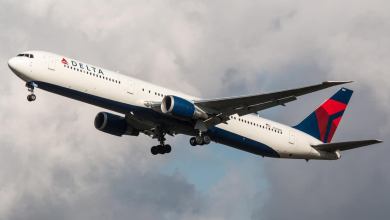
Vision of higher net sales for airlines could be a mirage
Airline watchers need to pump the brakes on optimism for an industry recovery just because some preliminary figures show an uptick in bookings and fewer cancellations, says Delta’s CFO.
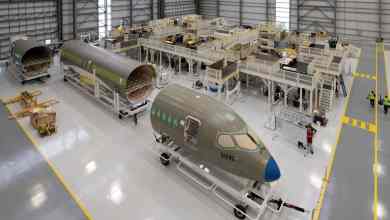
New Airbus production line for small jets opens in Alabama
Airbus expands manufacturing capability in the U.S. with a new assembly line.

US airlines add June capacity as passenger bookings inch back
Airlines know 2020 will be financially bleak but are seeing some green shoots of customer activity as encouraging.
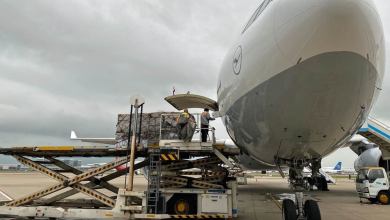
Face masks for German hospitals get police escort
Face masks and other personal protective equipment are worth their weight in gold these days, and German authorities are protecting shipments accordingly. Lufthansa Airlines (FWB: LHA) on Monday opened a new air pipeline to funnel personal protective equipment for medical workers from Shenzhen, China, to Frankfurt International Airport, where the gear is met by a […]
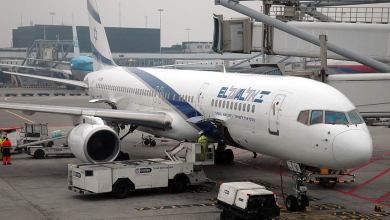
El Al says it might not survive, seeks Israeli bailout
Israel’s flagship carrier El Al is struggling to hold on financially during the COVID-19 pandemic and is looking to the government for a lifeline.

Coronavirus drives 1Q loss at Korean Air, but cargo sees bump
Korean Air is the latest airline to get government aid and raise capital to increase its cash position.
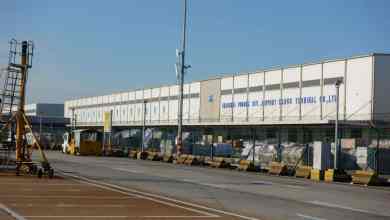
Shanghai Pudong airport continues to choke on COVID cargo
Shanghai Pudong Airport is getting crushed by heavy cargo volumes. Add to the mix a lot of red tape for export clearance and shipments are experiencing long delays and missed flights.

Delta to retire 777 fleet by year’s end
Delta Air Lines is bidding adieu to the 777. The airline will be smaller for the next few years, so it doesn’t need its big 777 jets anymore. (Photo: Delta)
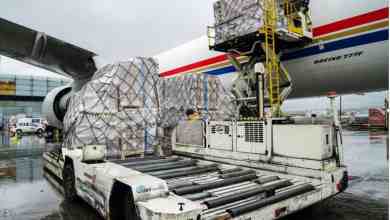
ICAO calls for sanitary sky corridors to expedite critical cargo flights
International aviation authorities and health experts are trying to create public health corridors in the sky through the application of multi-layers of sanitary and hygiene standards.
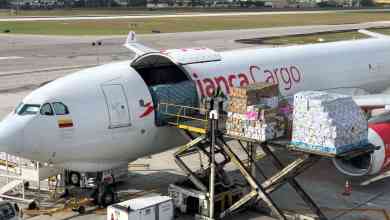
Avianca receives preliminary OK for Chapter 11 bankruptcy
A U.S. federal court on Monday agreed on an interim basis to Avianca Holdings SA’s initial motions to voluntarily reorganize under court-supervised bankruptcy protection. Latin America’s second-largest airline sought bankruptcy over the weekend in an effort to continue operating as a smaller company, saying the shutdown of its passenger network because of the coronavirus pandemic […]
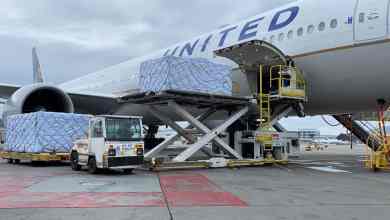
North American passenger airlines expand cargo flights in May
If you’re a forwarder and need more airlift to get goods around the world, you’re in luck. Airlines are listening and putting more assets to work.

Toll Group victimized by ransomware attack
The coronavirus may be top of mind these days, but there are other viruses businesses need to worry about as well — viruses that infect computer systems through malware. Toll Group is the latest victim.
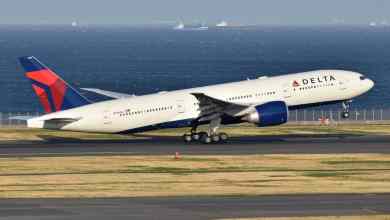
Delta Air Lines cranks up cargo-only flights from Asia to U.S.
Want to ride a “ghost flight” for fun? You can’t. They’re only open for freight and Delta Air Lines is flying lots of them from Asia to the U.S.
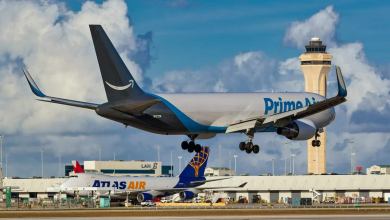
Amazon Air picks San Bernardino airport for western hub
Amazon will occupy a huge air cargo facility being built at San Bernardino Airport as it expands its private airline and air delivery network.
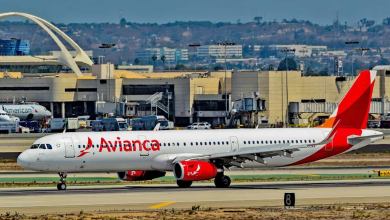
Coronavirus pushes Avianca Airlines to file for bankruptcy
People go to the hospital to get better from coronavirus. Avianca is going to a different emergency room – bankruptcy court., so it can downsize in a safe way . It is a major Latin American carrier with a cargo division that operates its own fleet of freighters.
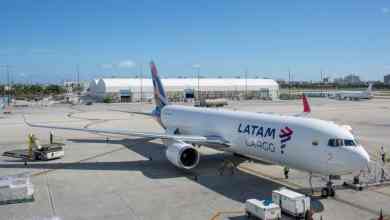
Delta, LATAM lay groundwork to implement joint venture
Delta Air Lines and LATAM are getting ready to operate jointly once they clear antitrust hurdles in both countries.
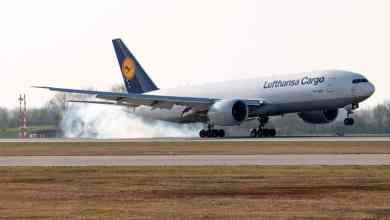
Lufthansa inches toward restart, seeks German government bailout
Lufthansa and IAG Group are taking baby steps toward expanding flight schedules. That should bring in some more revenue, but Lufthansa is looking for a big bailout from the German government to get through the coronavirus crisis.

Deluge of medical cargo cripples Shanghai Pudong airport
A perfect storm of events has created the mother-of-all cargo bottlenecks at Shanghai’s Pudong airport, where shipments sit at a standstill in crowded warehouses waiting for overwhelmed Chinese customs officers to inspect outbound PPE shipments.
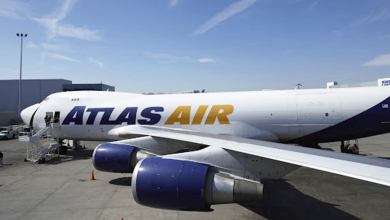
Atlas Air gives pilots pay increase on heels of Q1 growth
The COVID-19 pandemic has created choppy conditions in the airfreight market, but air cargo companies like Atlas Air are mostly seeing upside for their business.
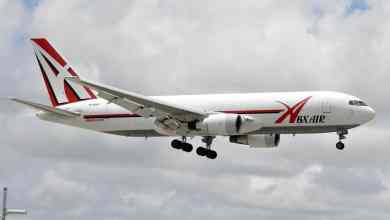
Amid COVID outbreak, freighter demand boosts ATSG in Q1
ir Transport Services Group is making money from its aircraft leasing and outsourced transportation businesses as express carriers and other customers seek more aircraft to support supply chains.
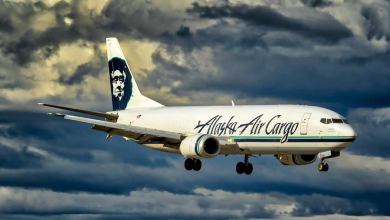
Alaska Air wins by losing less
Alaska Air lost $232 million on a net basis in the first quarter, but everything is relative these days and the loss doesn’t look so bad given the state of the airline industry.

FreightWaves LIVE @HOME: Obama White House official says COVID-19 response depends on logistics sector (with video)
Logistics companies are performing at a high level despite supply chain challenges caused by the coronavirus pandemic and inadequate government planning, Ebola response coordinator Ron Klain said.
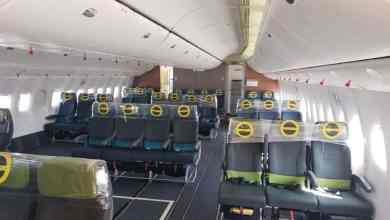
More airlines gut passenger interiors for cargo
Cargo in the hold, in the storage bins, under seats, on top of seats and with the seats removed. It’s all happening. And now some airlines are doing infill cargo with some seats removed.

Air Canada sees long road to recovery after big Q1 loss
Air Canada is trying to navigate the darkest period in aviation history through cost cuts, financing and new cargo operations.
United Deep Dive: Earnings call underscores airline’s disciplined survival plan
United Airlines is steeling itself for a worst-case scenario that leisure and business travelers will not resume flying anytime soon, even with coronavirus restrictions lifted.
United Airlines plans for worst, hopes for best
United Airlines isn’t sugar-coating the airline industry’s economic reality. United expects to survive the coronavirus crisis, but business will be slim for months to come.
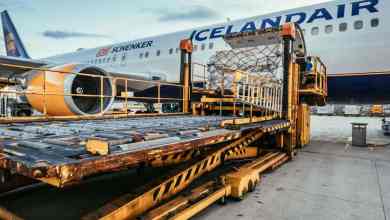
DB Schenker, Airbus innovations maximize cargo space in passenger jets
The logistics sector specializes in figuring out creative solutions to transportation and trade impediments, and a pandemic is the ultimate test. Check out what DB Schenker and Airbus are doing to increase airfreight capacity.
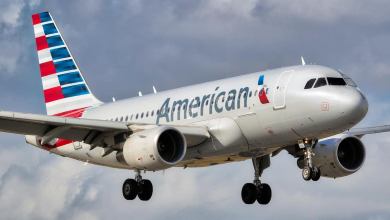
American Airlines posts first quarterly loss in six years
American is slashing expenses, but not fast enough to stop big profit losses. Here are the details on its first quarter and what it expects going forward.
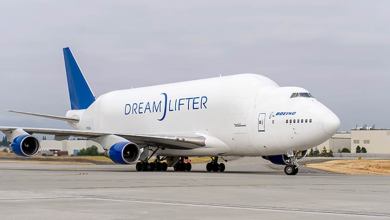
Boeing has tough quarter after 737 MAX grounding, COVID-19
Boeing took a big loss in the first quarter and the rest of the year doesn’t bode better for a company plagued by ongoing technical problems with key products, and now facing little demand for aircraft.
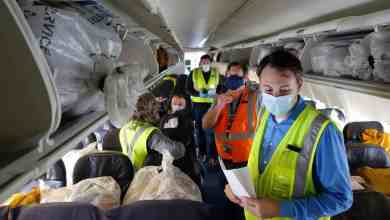
Alaska Airlines poised to use seats for cargo-only flights
Alaska Airlines may be late to the party when it comes to using passenger aircraft as freighters, but it wants to be an early adopter of using passenger seats for storage.
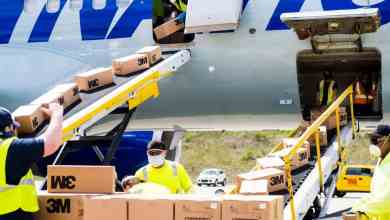
FEMA expands coronavirus relief flights to more airports
Secondary airports are increasingly being used by all-cargo carriers supporting the government’s coronavirus logistics mission.
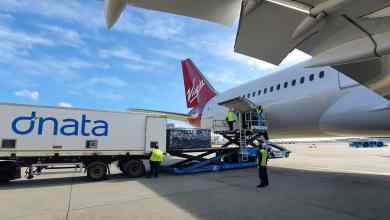
Scheduled cargo flights with passenger planes gain traction
Virgin Atlantic has an extensive cargo network using passenger aircraft that are flying without passengers.

Delta makes mobile hospital pods to transport troops with COVID-19
Airlines fly people, they don’t make things. Guess again. Delta is making portable human pods for the military and, along with American Airlines, is making face shields.
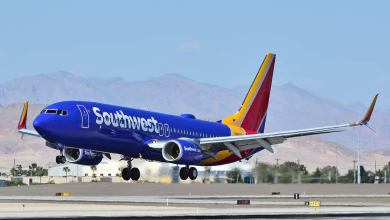
Southwest hunkers down for more financial losses
Southwest Airlines is not used to losing money in any quarter or full year, but that will change in 2020.

UPS drone deliveries to help retirees practice social distancing
Drones have taken on added importance with the coronavirus pandemic, offering ways to do tasks faster and without dangerous physical contact.
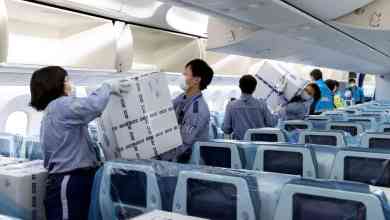
New aircraft recruited for COVID mission; air cargo gets window seat
If it flies, it can be a cargo plane for coronavirus relief missions. Planes are being put to unconventional uses to support the coronavirus response, including cargo-only passenger aircraft with boxes in the seats or on the floor and heavylift cargo planes used by aircraft manufacturers to move wings and other aircraft sections.
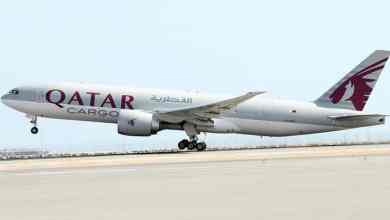
Australia secures subsidized airfreight for exporters
There are more ways to help businesses struggling during the coronavirus crisis than loans and direct payments. The Australian government has operationalized an international airfreight support program to restore supply chains for perishables that were broken by the pandemic, threatening to kill business for many exporters.
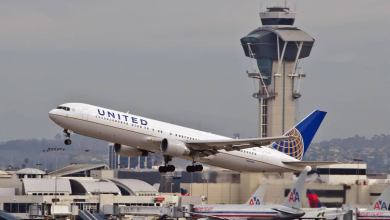
Airports expected to function normally despite reduced control tower hours
FAA cuts tower hours for air traffic control, but airports should continue to function smoothly.
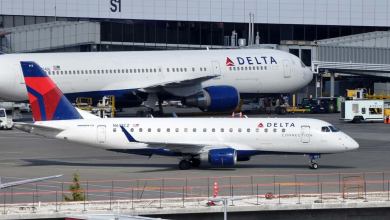
Delta Deep Dive: Airline resets cost structure for long term
Delta Air Lines officials believe they have the reputation for customer service, reliability, and brand experience that will carry them through the pandemic. Now, they are making hard choices about the future.
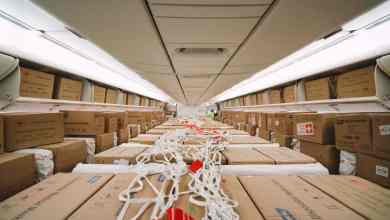
US passenger airlines seek approval for cargo in seat areas
Domestic airlines want to put cargo in passenger seats or stacked on the cabin floor, as some foreign counterparts are already doing. But they first need authorization from U.S. authorities.
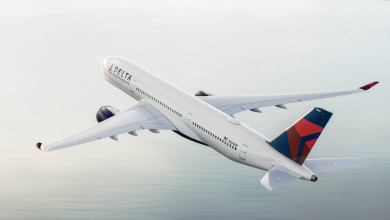
Delta doubles Asia cargo-only flights, adds Atlanta gateway
Delta Air Lines is increasing the number of scheduled cargo flights between Asia and three U.S. cities, using its passenger aircraft as substitutes for freighters.

Get ready for the new, slimmer Delta
Delta is raising huge amounts of capital and cutting costs by half as it sets the stage for a new world with less travel.
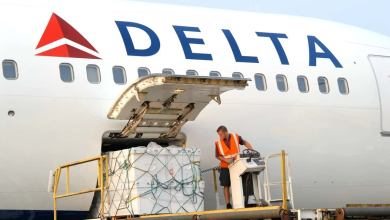
Delta posts first quarterly loss since 2010
Delta is the first of the domestic passenger airlines to release earnings since the coronavirus pandemic spread globally and the picture isn’t pretty.

United Airlines to raise $1 billion in stock offering
United Airlines is getting $9.5 billion in U.S. government aid, but it still needs more money to stay afloat so it’s selling stock and borrowing.
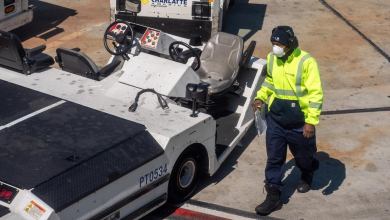
Airline workers call for more COVID-19 protections
The airline industry is considered essential to keeping the creaky economy going, but pilots, flight attendants and ground workers don’t always feel they are treated as essential when it comes to protection from the coronavirus.
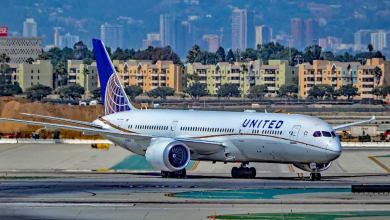
United Airlines still fighting for survival despite $5B federal grant
Airlines and analysts are lowering expectations for a quick bounce back in business this summer because there still is so much uncertainty about the coronavirus.
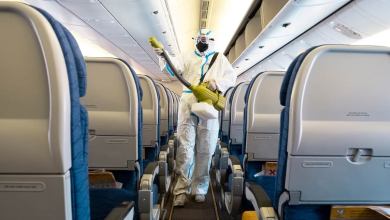
Pilots union demands FAA get tough with airlines on COVID-19 precautions
A major pilots union is criticizing airlines for allegedly skirting recommended best practices to protect workers from the coronavirus.

Etihad Airways uses down time to get ahead on maintenance
Etihad will operate a limited international route structure for the time being, but is busy running passenger and cargo charters and getting ahead on maintenance.
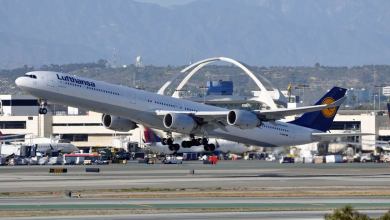
Lufthansa mothballs entire A340 fleet as downsizing continues
Lufthansa Group is putting a bunch of long-haul planes in deep storage. A smaller version of itself is busy transporting cargo and scooping up stranded travelers around the world.
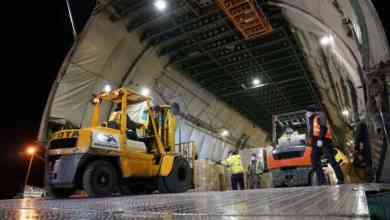
More humanitarian aid for US pours in by air
The U.S. government, hospitals and aid groups are relying on UPS, Atlas Air and other airfreight to speed deliveries of critical supplies.
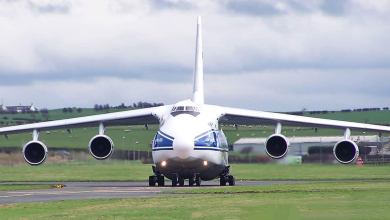
Russian air transport company gets US rockets to launch site
When you can’t move it yourself, call the Russians. They’ve got the AN-124 airlift that can move giant loads like mining equipment, industrial machinery and, in this case, rocket components.
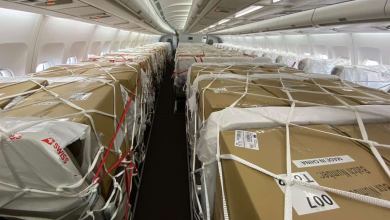
FAA issues guidance for cargo in passenger cabin
The FAA is making it easier for airlines to survive the current economic crisis by quickly ruling on how to carry cargo in the passenger cabin and relaxing takeoff and landing quotas.

Freight executives give feedback to White House on economic restart
Prominent transportation leaders are part of a business task force offering ideas on when and how to lift coronavirus restrictions.
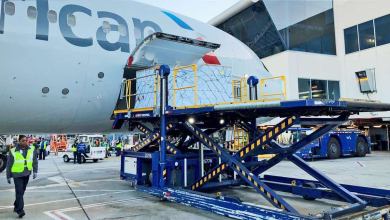
American Airlines, Delta prioritize supply of cargo space
American will penalize shippers who don’t show up or cancel a booking at the last minute, while Delta is adding more capacity for its scheduled cargo routes to Asia.

WHO ramps up COVID-19 emergency supply chain
The WHO is trying to reduce the chaos of countries competing for coronavirus medical supplies by acting as a logistics control center.
US airlines accept government’s workforce aid
Airlines and employees gave a big sigh of relief when Congress recently passed a major industry bailout, but feelings turned to frustration when the Trump administration decided to limit the cash payouts.
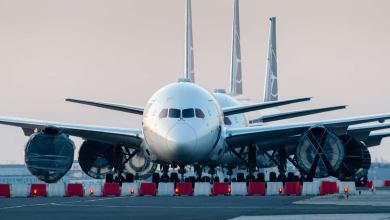
Airlines face $314 billion bath as economy dives
The airline industry is poised to shrink considerably as revenues evaporate and they are forced to cut costs to the bone.
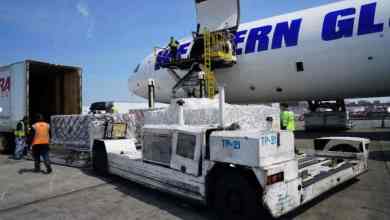
WHO builds up COVID-19 airlift capacity to help Africa
The World Health Organization has air hubs in Doha and Addis Ababa and is pumping humanitarian resources and workers around the world in response to the coronavirus pandemic.
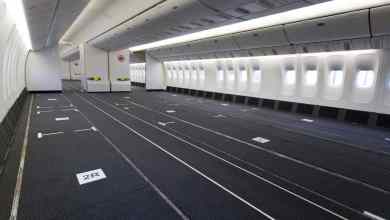
Airlines begin pulling passenger seats to make room for cargo
Cargo has had a window view on some international airlines. Now U.S. airlines are looking to load boxes in the passenger cabin when operating in cargo-only mode. The next step — remove the seats altogether.
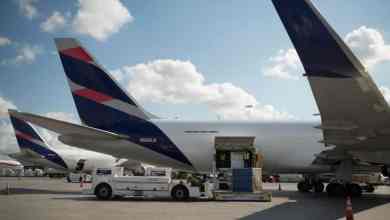
LATAM adds Europe frequency, Qatar Airways shuttle medical supplies to France
LATAM Airlines and Qatar Airways are maximizing freighter deployments.
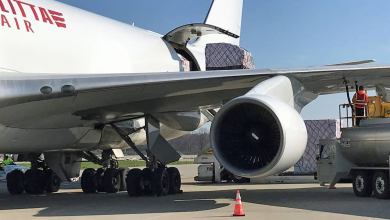
Air cargo community responds to pandemic supply shortage
If you need coronavirus gear, who you gonna call? Logistics busters!

Delta Air Lines’ turnkey delivery service accepts heavier packages
Delta is expanding its Roadie delivery partnership to include packages that weigh three times more than the original limit
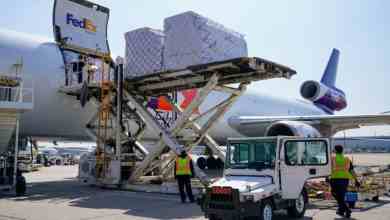
Regulatory flexibility needed to keep supply lines open, airfreight industry says
Cargo planes are in high demand these days because they are the fastest way to get vital medical equipment and supplies to health care workers trying to save the lives of those infected with the coronavirus. But inflexible regulations and bureaucrats can undermine that speed.
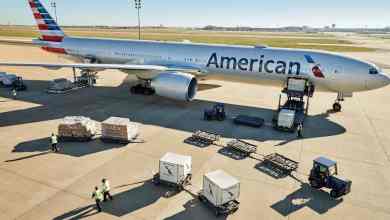
Substituting cargo for passengers becomes mainstream business for airlines
The idea of using passenger planes as freighters would have been considered farfetched in February since the main deck can’t be loaded with large pallets. But when there’s a pandemic and a shortage of cargo space, the logistics community gets creative and these planes are being booked at a rapid pace.
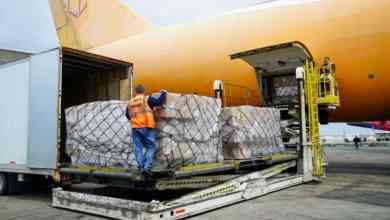
House Democrats raise concerns about FEMA logistics initiative
While FEMA is working to airlift medical supplies from international sources, the White House doesn’t want to share equipment with other countries that may be in need. But don’t blame logistics providers like FedEx, which are executing on their logistics contracts.
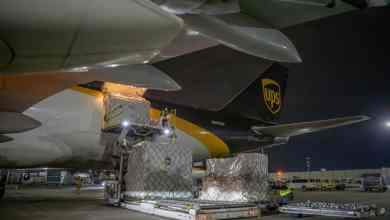
UPS plays multilayered logistics role in FEMA relief effort (with video)
UPS offers companies a full suite of supply chain services. They can pick what they need or get a turnkey solution. Now the third-party logistics provider is playing the same role for FEMA.
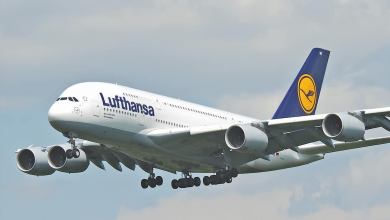
Lufthansa decommissions aircraft, predicts recovery will take years
Tough times call for drastic measures and Lufthansa sees the writing on the economic wall. It’s wasting no time shrinking for a smaller future.
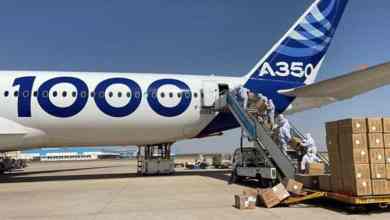
Pandemic forces Boeing, Airbus to shut down aircraft plants
Boeing waited much longer to close its South Carolina plant than ones in Washington. Airbus has closed more facilities, while others continue to operate.
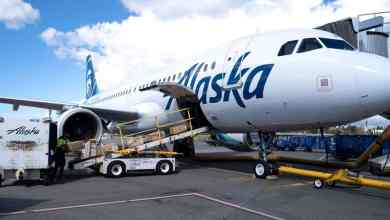
Alaska, American cut more capacity as airlines try to preserve cash
Airlines are bleeding money, but a requirement that they give cash refunds for canceled flights could make things worse. Airlines are cutting more of their domestic networks to save money.
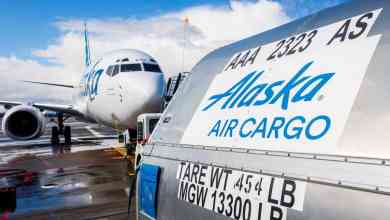
Alaska Airlines answers call to action for face masks (with video)
Alaska Airlines is supporting the 100 Million Mask Challenge with its freighter capacity.
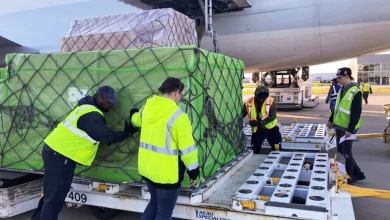
Trump encourages imports for coronavirus relief, while stopping US exports
The Trump administration is working to accelerate deliveries of medical supplies from overseas to address shortages at healthcare facilities around the U.S., but doesn’t want American companies to export any protective gear to other countries.
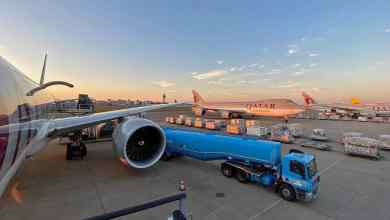
Qatar Airways beefs up freighter frequencies to multiple markets
Qatar Airways has deployed more full freighters and passenger aircraft in cargo mode to multiple markets, including India.

US airlines teeter on financial abyss, apply for federal aid
Airlines face a long drought in business and are scrambling to cut costs and raise money, but there’s no guarantee all of them will survive.
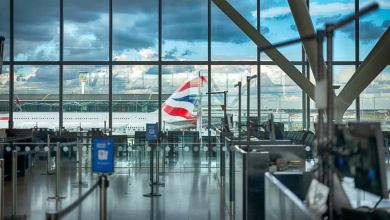
Airlines continue to rationalize networks amid collapse in travel
Airlines are in survival mode and could permanently rid themselves of older aircraft in effort to help financial recovery.

Delta Air Lines to manufacture face shields
Dealing with a crisis requires innovation and Delta Air Lines doing that on several fronts. Now it is switching gears and making face shields for hospital workers.
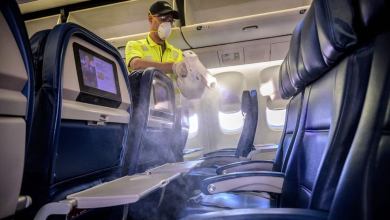
Pilots raise concern with FAA about protection from coronavirus
A pilot’ union says airlines need to be held more accountable for protecting cockpit crews from the coronavirus, but at the corporate level all airlines appear to be taking health guidelines very seriously.
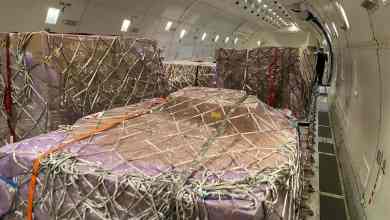
More emergency FEMA flights arrive in US with coronavirus supplies
Atlas Air and National Airlines are handling relief missions for the Federal Emergency Management Agency.
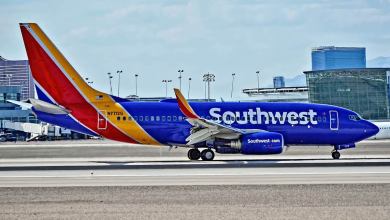
Southwest Airlines pitches freight-only flights to forwarders
Freight forwarders “luv” Southwest Airlines, but it remains to be seen if they’re ready to charter an entire airplane versus using regularly scheduled passenger flights.
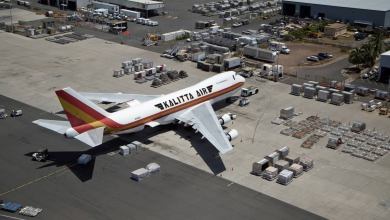
23% drop in March airfreight business dwarfs February fall
Airfreight business started to fall fast in February, and the losses are picking up steam as the global economy is frozen in time by the coronavirus.
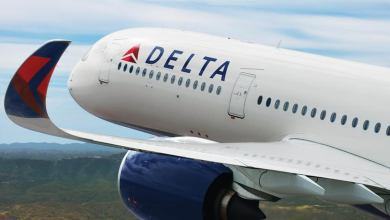
Airlines feel pressure to maintain minimum level of domestic service
Airlines are seen as a critical link even as passenger travel sinks to record lows and carriers downsize fleets.
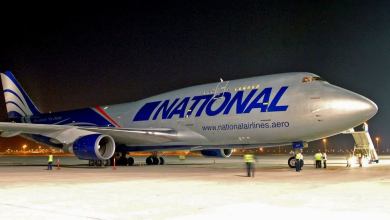
FEMA relief shipment diverted to LAX
Another government-underwritten load of medical supplies is headed to Southern California to help respond to the coronavirus.
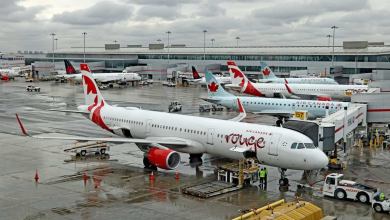
Airlines face $39 billion in Q2 losses, industry group warns
The global pandemic is forcing airlines into a protective cocoon to survive, but many workers are feeling the effects first-hand.
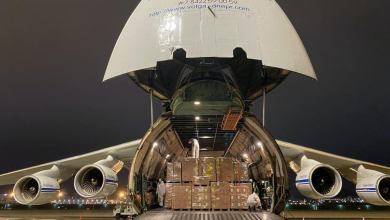
Airlines, governments and 3PLs get creative with emergency airlifts
The demand for coronavirus medical supplies is so great that passenger aircraft are being repurposed for cargo service, logistics companies are chartering those airplanes and full freighters, and governments are setting up air pipelines with logistics partners.
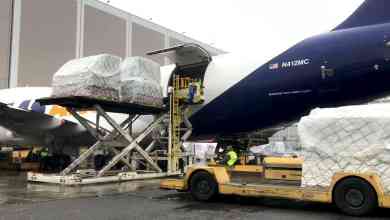
Atlas Air takes the lead in Project Airbridge (with video)
FEMA is trying to overcome the shortage in coronavirus supplies by accelerating airfreight shipments to the U.S.
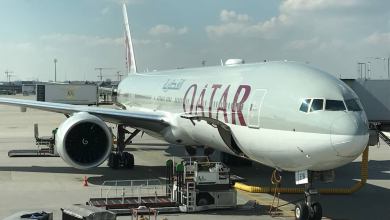
Qatar Airways throws passenger planes into China cargo schedule
Most airlines using passenger planes for cargo-only operations are doing so on a charter basis. Qatar Airways will operate scheduled rotations to and from China.
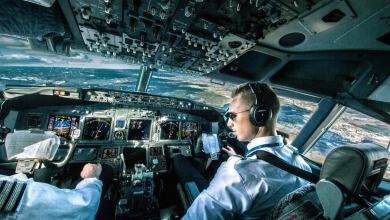
FAA exempts flight crews from renewing medical certifications during pandemic
Pilots can fly aircraft with expired medical certificates for three extra months because the FAA doesn’t want to burden healthcare workers or increase chances for spreading the coronavirus.
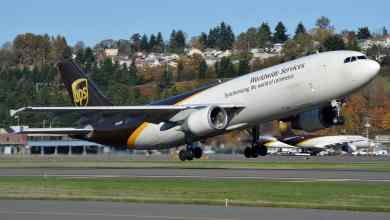
Breaking: US launches emergency airlift with private cargo carriers
The Berlin Airlift saved West Berlin from the Russian occupation after World War II. Now , FEMA has organized a coronavirus airlift t to save lives in U.S. cities.

Federal aid provides temporary lift as airlines face unprecedented dismantling
The airline industry’s recovery will be more U-shaped than V-shaped, experts warn.
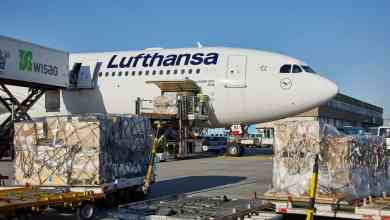
2020 air cargo volume may drop 20%, IATA says
The February downturn in air cargo volumes presages even worse performance in the coming months, according to analysts.
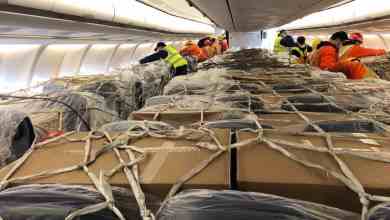
Passenger airlines morph into cargo carriers
Demand to move goods during the pandemic crisis is high, but available air cargo space is low. Passenger airlines are finding a robust market.
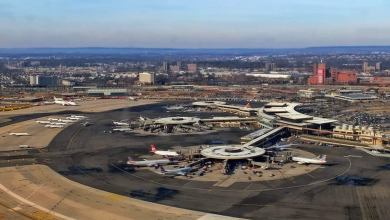
Stimulus bill awards $58 billion to stabilize airline industry
Airlines were among the big industry winners when the smoke lifted and Congress finalized a $2 trillion economic stimulus package to deal with economic fallout from the coronavirus.
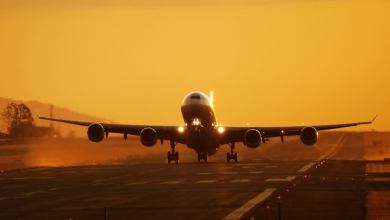
Bailout: Airlines vs. airports
Airlines and airports have a symbiotic relationship, but there is tension over airlines’ interest in waiving airport charges and taxes during the pandemic recession.
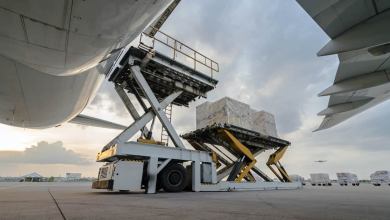
Airlines face $250 billion revenue hit in 2020, IATA says
The International Air Transport Association had sobering news about the financial prospects for airlines this year: a quarter-trillion dollars in lost revenue.

Congress finalizing economic stimulus, airline bailout
Tensions are high in Washington over a massive plan to blunt the economic impact of the coronavirus, with many lawmakers worried that loans or grants amount to a slush fund for airlines and other industries.