





Federal Maritime Commission further deregulates service contracts
U.S. maritime regulators are giving ocean carriers and shippers more flexibility to meet contract filing requirements.

Alleviating cost fears in Biden’s electric-truck push
The Department of Energy’s SuperTruck 3 earmarks $100 million to expand electric heavy-duty truck concepts to lower emissions.
Road-user fee advocates warn Congress: Give truckers priority
Experts warned lawmakers of industry backlash if trucking is singled out to save the nearly bankrupt highway trust fund

Biden taps Joshi to lead FMCSA
Biden has picked former New York City regulator Meera Joshi to be administrator of the Federal Motor Carrier Safety Administration.
DOT allots $1 billion in latest round of infrastructure grants
The Biden administration is prioritizing climate and racial inequity in $1 billion worth of RAISE grants for infrastructure.
Truck makers warn Biden of inability to meet freight demand
The U.S. must help secure domestic semiconductor manufacturing, truck manufacturers tell the Biden administration.

NTSB’s Most Wanted List again includes speed limiters, crash avoidance tech
The National Transportation Safety Board (NTSB) is keeping pressure on regulators to require speed limiters on trucks as well as performance standards for automatic emergency braking (AEB) and other crash-avoidance technology.
Maritime regulators dive into alleged tariff-fee overcharges
“Widely varying” tariff fees charged by container lines have prompted federal regulators to consider new rules.

Speed limiters, automatic braking on NTSB Most Wanted List
NTSB again highlights the need for automated safety devices in trucks in its latest top 10 list.
EFS chat recap: Pushing driver training boundaries
A. Bailey Wood reveals his vision and goals as the new head of the Commercial Vehicle Training Association.

Report: Trucking jobs account for 20% of Biden’s infrastructure plan
Truck driving is the biggest single occupation that stands to benefit from the president’s infrastructure plan, according to a new report.
California court dismisses XPO meal/rest break complaint
FMCSA hours-of-service exemption weighs heavily in a court decision rejecting wage claims against XPO Logistics.
Carriers pressure FMCSA to act on drug hair-test exemption request
Trucking companies cite safety concerns in their request to FMCSA to allow limited use of hair testing to screen for drugs.
Biden unveils sweeping $2 trillion infrastructure plan
Biden’s $2 trillion infrastructure plan relies heavily on rolling back Trump’s corporate tax cuts.

Trucking interests skeptical of zone-based congestion pricing
The trucking industry sees the costs — but not so much the benefits — of new congestion pricing initiatives.
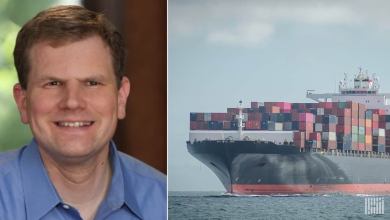
Biden picks Maffei to chair Federal Maritime Commission
Biden taps Daniel Maffei to head the FMC amid the ongoing port congestion crisis.

Multibillion-dollar offshore wind plan targets US ports
U.S. ports are positioned to win big off Biden administration’s offshore wind energy initiative
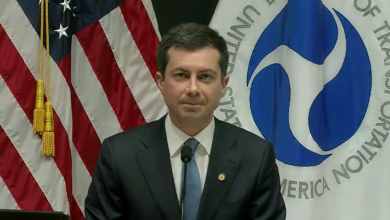
Buttigieg vows to help US exporters resolve supply chain woes
The U.S. secretary of transportation testifies before Congress on the Biden administration’s infrastructure priorities.

Labor unions urge Biden administration to scrap automated vehicles plan
Two prominent labor unions want the U.S. Department of Transportation (DOT) to reject the Trump administration’s automated vehicle (AV) strategy for relying too much on the viewpoint from industry without enough attention paid to potential damage to worker safety and jobs.

Labor to DOT: Scrap Trump administration’s automated vehicles plan
Labor groups tell DOT that automated vehicle policy should not be based on industry self-regulation.
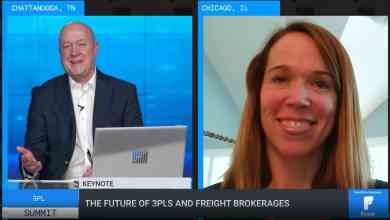
3PL Summit keynote: ‘Cat is out of the bag’ on supply chain importance
Anne Reinke provides insight on current concerns and future opportunities as the president and CEO of TIA in keynote address.

Lawmaker concerned over FCC’s Wi-Fi plan’s impact on connected truck technologies
A top transportation lawmaker is pressuring the Biden administration to reconsider a proposal that trucking advocates say could hinder the deployment of truck platooning and other connected-vehicle automation.
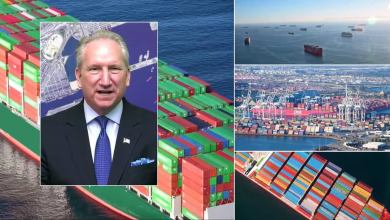
Port of Los Angeles outlines spending plans for new tax funds
The Port of LA will use tax funds for repairs needed to address its booming business.

Lawmaker pressures FCC to rethink proposal affecting truck platooning
Peter DeFazio, a top transportation lawmaker, wants the Federal Communications Commission to rethink adopting rules that experts say would hinder trucking automation.

Watchdog spotlights FMCSA’s, other agencies’ disjointed drug testing verification
A GAO report links accurate data collection to motor carrier costs.

Trucking testifies on ‘range anxiety,’ other obstacles to zero-emission vehicles
Lawmakers hear from trucking on outlook for achieving zero-emission vehicle targets

ATRI puts $20B price tag on vehicle-miles-traveled tax
An American Transportation Research Institute study finds the cost to deploy and collect a vehicle-miles-traveled tax would be 300 times more than the current fuel tax.
DOT study predicts no mass layoffs from driverless trucks
A DOT autonomous trucking technology study downplays concerns raised by the FMCSA.
Lawmaker: Use Postal Service to test vehicle-miles-traveled fee
Congressman Sam Graves proposes using the Postal Service to test a new bridge and highway funding effort.

Former auto hauler sentenced to 30 months for faking FMCSA records
Michael Chaves, the former owner of a vehicle-transport carrier, gets 30 months in prison for forging DOT documents and failing to maintain driver certifications.
Postal Service earmarking $40B to boost share of package market
DeJoy testifies that the Postal Service must focus on increasing its 35% share of the package market currently dominated by private carriers.

FMCSA acting administrator: Major shift coming in trucker workforce
How the move toward driverless trucks will affect the truck driver workforce is a challenge that must be addressed whether the timeline toward full automation ends up short or long, according to the nation’s top truck safety regulator.
What freight carriers should know about Biden’s transportation review
Carriers should begin planning now to influence policy change that could result from Biden’s supply chain executive order, industry observers say.

Evolve keynote: ‘Controlling the narrative’ key to success in oil and gas
Evolve keynote: Inevitable failures and what we can learn from them.

FMCSA chief Joshi: Drivers will take hit from automated trucks
Understanding trucking automation’s effect on the trucker workforce is a priority for the Biden administration, an FMCSA official asserts.
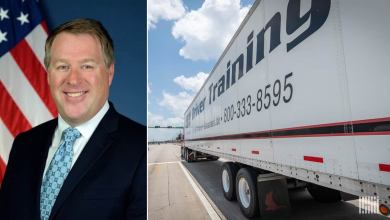
New head of CVTA focusing on entry-level driver training rule
A. Bailey Wood takes over as head of the Commercial Vehicle Training Alliance from Don Lefeve.

Biden expected to sign LTL driver pension relief package
Senate-approved emergency pension relief covering Yellow, ABF Freight employees could hit President’s desk this week.
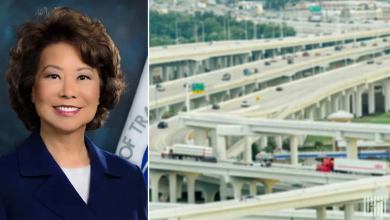
Chao probe fallout: Concerns remain over freight project money
An investigation of the former DOT secretary highlights the need to restore trust in the federal infrastructure grant process.
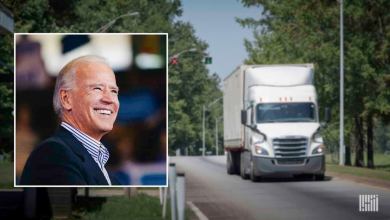
Republicans to White House: Limit infrastructure spending to roads and bridges
Republican lawmakers push back on Biden’s ‘big, bold vision’ ahead of infrastructure talks.
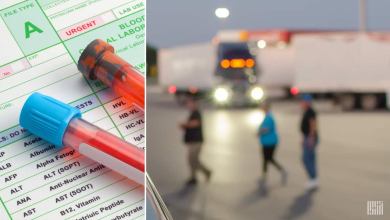
FMCSA: More drivers returning to work after drug violations
FMCSA Drug & Alcohol Clearinghouse data reveals 47,995 drivers are ineligible due to violations.
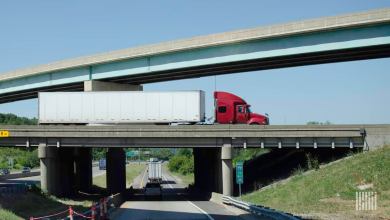
Infrastructure upgrade: US improves from D+ to C-
The American Society of Civil Engineers (ASCE) gave the nation’s infrastructure an overall grade of C-, up from a grade of D+ four years ago, the association revealed Wednesday in its quadrennial report card. The report card based on an evaluation of 17 infrastructure categories, including roads, bridges, ports, rail, aviation and inland waterways. 2021 […]
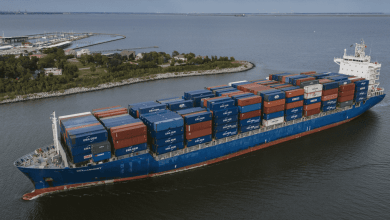
Regulators weigh in on fight between tankers and container ships
Maritime regulators warn the Houston port agency against restrictions that could hamper the Gulf Coast container trade.

California cracking down on illegal vessel fuel starting in May
California will boost testing procedures to enforce distillate fuel regulations.
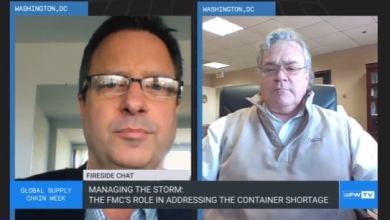
GSCW chat recap: Managing the container storm
Federal Maritime Commissioner Carl Bentzel discusses the agency’s options in regulating rates and service amid the booming U.S. container supply chain.
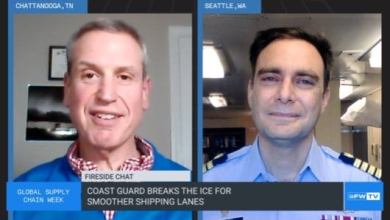
GSCW chat recap: Opening Arctic shipping lanes
The commanding officer of the U.S. Coast Guard icebreaker Polar Star talks about the commercial challenges and opportunities in the Arctic.
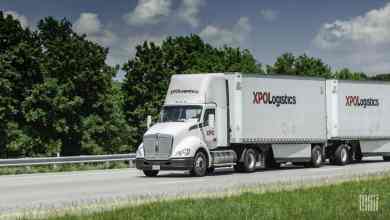
Teamsters see pro-labor proposal leveling playing field at XPO
XPO and port drayage are in the Teamsters Union target sights in backing the PRO Act.
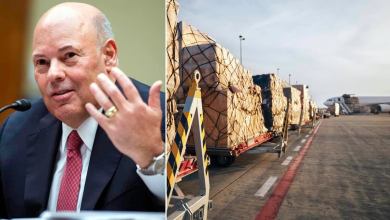
In testimony before Congress, DeJoy rips into air carrier performance
Postal Service chief defends his strategy to shift mail from planes to trucks despite the resulting longer delivery times.
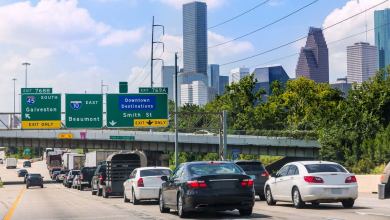
Houston ‘wins’ most truck-bottlenecked city on congestion list
George Washington Bridge approach in New Jersey tops the American Transportation Research Institute’s trucking bottleneck list for the third year in a row.
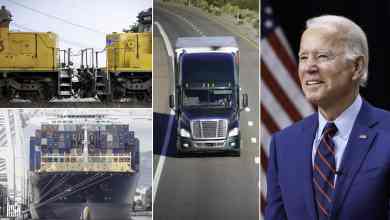
Biden orders review of transportation sector
Biden’s executive order seeks short-term and long-term review of critical supply chains.
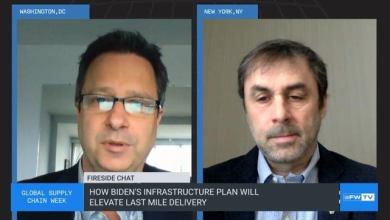
GSCW chat recap: Biden blueprint for last-mile delivery
Together for Safer Roads President David Braunstein discusses the potential Joe Biden’s infrastructure plan holds for safer freight movement.

Consumer goods group lobbies for federal ‘air traffic control’ for trucks
Consumer Brands Association study calls for establishing a federal Office of Supply Chain to coordinate public-private strategies.
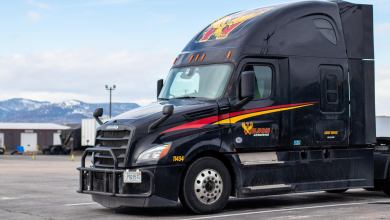
Wilson Logistics awarded exemption for CLP holders
A new federal exemption will allow Wilson Logistics more flexibility for its drivers holding commercial learner’s permits to participate in revenue-generating loads.
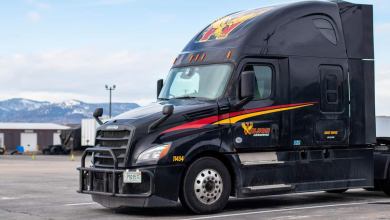
Feds grant Wilson Logistics team-driver flexibility
Regulators give Wilson Logistics more flexibility for CLP holders participating in revenue-generating freight.
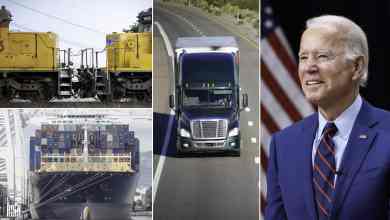
Power index: Top 10 Biden appointments affecting freight markets
A change in political direction – and ongoing concerns – greet 10 Biden picks who will deal with freight issues.

First step taken on hours-of-service rollback?
Washington appeals court asked to place in abeyance HOS review for 60 days due to the new administration.

FMCSA declares waiver for fuel haulers in wake of storm
Fuel haulers are getting relief from hours-of-service rules as a winter storm moves into the Northeast.
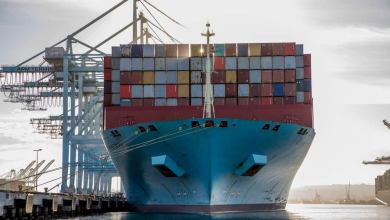
Regulator to order container detention reports from ocean carriers
The Federal Maritime Commission is stepping up oversight of charges imposed on trucking companies and U.S. exporters by containership companies.

US exposes North Korea blockchain plot to evade ship sanctions
The U.S. has indicted a computer hacker working for Pyongyang to help North Korea evade U.S. maritime sanctions.

Will Biden steer hair-based drug testing to the exit ramp?
Proposed mandatory guidelines to hair test for drugs could change — or see a lengthy delay.

National HOS waiver extended
Federal regulators issued a fourth extension of a rare 50-state exemption of hours-of-service rules due to ongoing health risks caused by COVID-19.

FMCSA extends national HOS waiver through May 31
Ongoing risks attributed to COVID-19 trigger a three-month extension to hours-of-service exemptions.
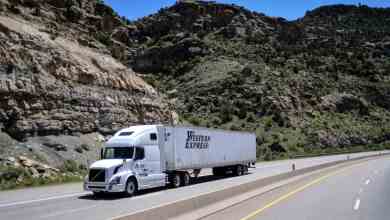
Judge orders Western Express wage/rest-break lawsuit to continue
A judge denied the request by truckload carrier Western Express to dismiss a lawsuit brought by a driver seeking meal- and rest-break pay.

‘Missed opportunity’ to fund truck parking in COVID relief package
A member of Congress bets on getting his truck parking expansion proposal included in the highway bill.

Yellow, ABF drivers edge closer to long-term pension protection
The Teamsters’ Central States Pension Fund could be saved through the COVID-19 relief package.

Maritime company employee sentenced after stealing $7 million
The embezzler will serve concurrent prison terms as well as pay restitution for unpaid taxes.
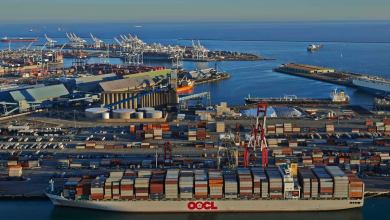
Maritime sector nervous about chances for COVID-19 relief
Maritime operators make the case for being included in the next COVID-19 relief bill.

Biden readies critical supply chain review
The Biden administration review of critical supply chains is aimed at reducing reliance on China for equipment.
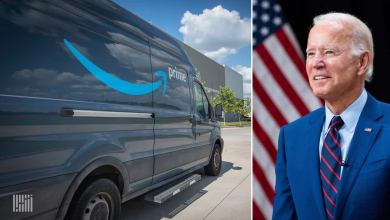
Biden’s plan to energize last-mile road safety
President Biden has pledged to pump funding into state and local agencies in a bid to make last-mile freight delivery smarter and safer.

Tennessee lawmaker to pursue vaccines at truck stops
OOIDA testifies on vaccine and truck parking concerns before the House transportation committee.
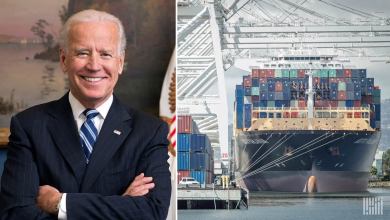
Ports press Congress, Biden for emergency funds
A maritime coalition wants Congress to fund a new maritime relief program as part of the next COVID-19 relief bill.

Pete Buttigieg confirmed as DOT secretary
Pete Buttigieg wants to push through an infrastructure package that links highway funding to electric vehicles and climate policy.
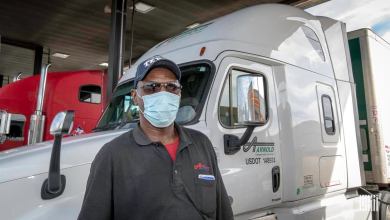
Truckers exempt from CDC mask requirement
CDC implements President Biden’s executive order on mask requirements at transport hubs.

Regulators ask Biden for ‘immediate’ dockworker vaccinations
FMC commissioners appeal to President Joe Biden to immediately vaccinate the maritime workforce.

ATA wants higher vaccine priority for drivers
The American Trucking Associations and state trucking groups call on the Biden administration to reclassify vaccine status for truck drivers.

Driver detention review considered likely in Biden’s FMCSA
A trucking lobbyist sees the Biden administration taking up the detention time challenge.
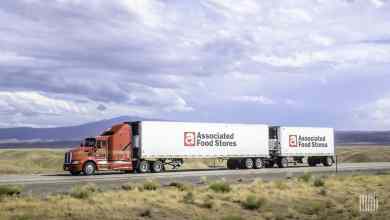
Senator will push Biden, Buttigieg for vaccine priority for food haulers
Sen. Maria Cantwell seeks COVID-19 vaccine priority for the food transportation sector.
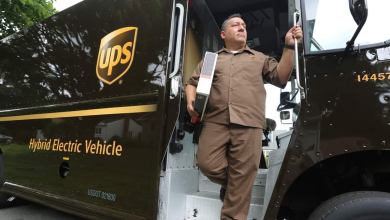
UPS: Feds must help fund electric last-mile delivery
UPS takes part in a business panel on why Congress should support last-mile delivery and electric vehicles.
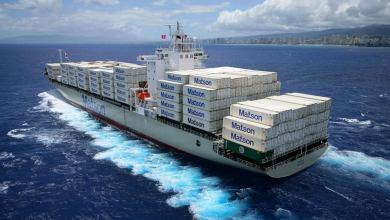
Biden underscores support for Jones Act
Joe Biden plans to sign a “Made in America” executive order that reiterates support for the Jones Act.
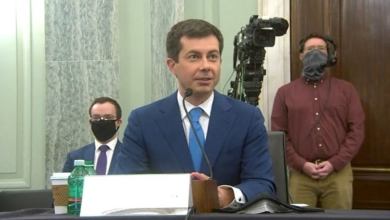
Buttigieg says raising fuel taxes an option
Revenue generated could help fund infrastructure investments, DOT Secretary nominee says in confirmation hearing.
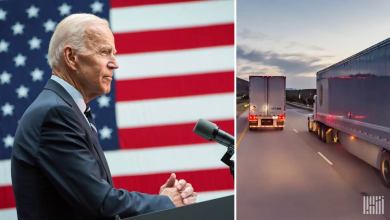
Biden signs executive order to strengthen COVID supply chains
Biden’s executive orders address the COVID-19 supply chain and mask mandates among transportation modes.
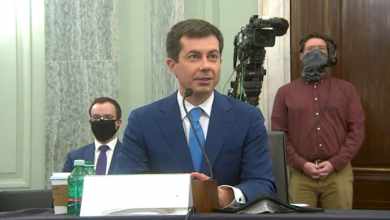
Buttigieg: Raising gas tax ‘on the table’ to pay for infrastructure
Pete Buttigieg weighs in on infrastructure, trucking regulations and the Jones Act during a three-hour nomination hearing.
Transportation consultant Joshi named FMCSA deputy administrator
DOT announces slate of 40 to the department’s leadership team as the Biden administration kicks into gear.

Trottenberg brings freight policy experience to DOT
Former DOT secretaries weigh in on Polly Trottenberg, Biden’s choice for deputy secretary of transportation.

Court of Appeals affirms FMCSA’s right to preempt California meal/rest breaks
The U.S. Court of Appeals for the 9th Circuit has upheld a determination by the Federal Motor Carrier Safety Administration that California cannot enforce state meal and rest break rules that conflict with federal hours-of-service regulations.
Can Joe Biden get infrastructure done in 2021?
A Democratic “trifecta” in Washington could finally push a long-term infrastructure past the finish line.

Appeals court upholds FMCSA preemption over California meal/rest breaks
Three-judge panel upholds determination by FMCSA that the agency preempts California’s meal/rest break rules

FMCSA names 25 truck drivers to new safety panel
New 25-driver subcommittee will give FMCSA direct feedback on safety issues.
780,000 driver medical exams could be missing from FMCSA database
FMCSA agrees to take action after OIG warns of weaknesses in its medical examiner registry.
Final rule sets Drug & Alcohol Clearinghouse civil penalties
Truck drivers and medical review officers that violate provisions of the Drug & Alcohol Clearinghouse could face fines of more than $5,000 per instance under a final rule proposed by the U.S. Department of Transportation.

Regulators propose more sleeper berth flexibility
An FMCSA pilot project is considering 6/4 and 5/5 split rest periods for sleeper-berth drivers.
US Maritime Administration chief resigns post after Capitol riots
MarAd Associate Administrator for Strategic Sealift Kevin Tokarski will become the acting administrator next week.
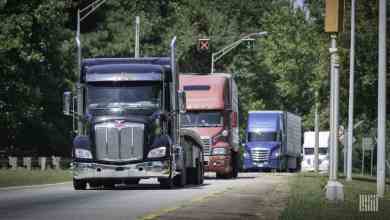
Trucking companies added to FMCSA safety committee
FMCSA’s safety advisory committee for 2021 adds two trucking companies and four women.

Drug/Alcohol Clearinghouse fines set at $5,833 per violation
Drug and Alcohol Clearinghouse penalties of up to $5,833 issued by FMCSA are more than double what had been used as guidance over the past two years

DOT plots path for automated trucking
The U.S. Department of Transportation released on Monday a strategy for integrating automated driving systems into the commercial trucking and passenger vehicle sectors.

DOT lays out strategy for automated trucking
DOT Chief Elaine Chao announced a plan for autonomous vehicles on her last day at the department.

FMCSA proposes eliminating vision exemptions for drivers
FMCSA wants to replace the current vision program by giving medical examiners the ability qualify drivers.
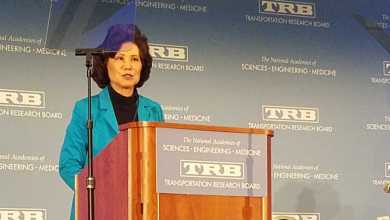
Exclusive: Chao acknowledges COVID-19 challenges for transportation sector
DOT Secretary Elaine Chao emailed a farewell letter to employees on Friday detailing her resignation and COVID-19 challenges.
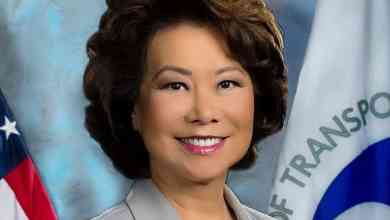
DOT chief Elaine Chao to resign
U.S. Department of Transportation Secretary Elaine Chao is first cabinet head to quit after storming of U.S. Capitol.

Safety groups rail against HOS exemption for ag truckers
FMCSA rule expanding definition of ag commodities called “meritless and reckless” by group of safety advocates.

New Congress reintroduces concealed-carry gun legislation
The sponsor of concealed-carry reciprocity legislation in Congress has singled out truck drivers as beneficiaries of the proposal.