




Rachel Premack
Thursday, July 14, 2022
America’s freight railroads are incredibly chaotic right now
Railroad crews are facing “all-time low” morale. They could legally strike in July, worsening supply-chain congestion.
Railroads continue to play a significant role in North America’s economic infrastructure. According to the U.S. Department of Transportation Federal Railroad Administration, the U.S. rail freight network covers almost 140,000 route miles and is generally considered the largest, safest, and most cost-efficient freight system in the world. In addition, says the FRA, the almost $80 billion rail freight industry creates more than 167,000 jobs across the country.
In essence, rail freight companies charge businesses to carry cargo across their network of rails. Their rates are overseen by the Surface Transportation Board, a federal agency that regulates financial aspects of surface transportation. Major railroads in North America include Union Pacific Railroad, BNSF Railway, CSX, Norfolk Southern, Canadian Pacific Kansas City and Canadian National Railway.
Keep up with the latest news, trends and reports concerning rail freight transport here!
Railroad crews are facing “all-time low” morale. They could legally strike in July, worsening supply-chain congestion.

The 1,158-acre Gulf Inland Logistics Park near Houston includes a switching railroad and has access to two Class I railroads and major highways.
Peak season imports are expected to remain strong but rail delays require ‘immediate’ attention, says Port of LA’s Gene Seroka.

Higher amounts of loaded imports and empty export boxes contributed to a nearly 15% increase in volumes.

Members of the Brotherhood of Locomotive Engineers and Trainmen voted to strike if they deem it necessary as the unions and railroads fail to reach a contract agreement.
The Occupational Safety and Health Administration wants CSX to pay $121,200 total for workplace incidents that might have contributed to the December 2021 blast at the Curtis Bay Coal Terminal.

Work is underway to develop container-handling terminals in as many as five states along the Mississippi River.
Southern California ports can’t evacuate import containers fast enough. The backlog has yet again reached critical levels.
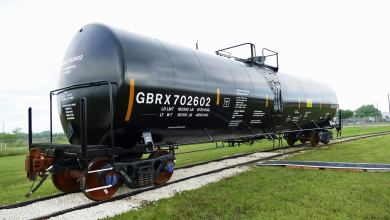
Customers are eager to move products via rail once network congestion subsides, executives said during Greenbrier’s quarterly earnings call on Monday.
The U.S. Chamber of Commerce wants President Biden to intervene in the ongoing rail labor dispute to avoid service disruptions.
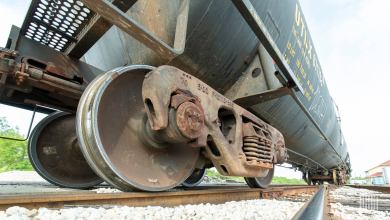
AskWaves looks at the many varied functions that the 56-year-old Federal Railroad Administration performs for passenger and freight rail.

Canadian railway CN and the International Brotherhood of Electrical Workers have agreed to enter binding arbitration, putting to end a two-week strike over wages and benefits.
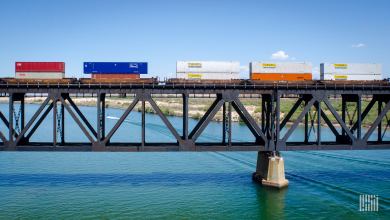
Data from June reflects how rail service challenges persist into summer. Meanwhile, higher headcount levels and macroeconomic uncertainties await the rails for the remainder of this year.
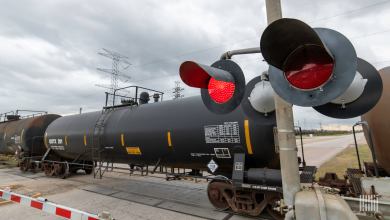
Congressmen back calls from fertilizer and agricultural products shippers to improve freight rail service, plus news about a new federal grant program to eliminate railroad crossings and updates on CN and Canadian Pacific.
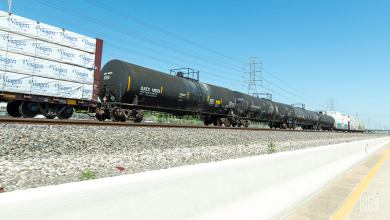
The Transportation Trades Department wants Congress to modify the language to ensure freight railroads provide adequate service.
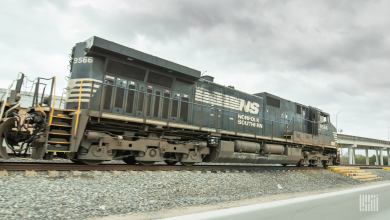
NS starts a new operating plan for intermodal; CN plans investments in Louisiana and Wisconsin; and MxV Rail agrees to share expertise with a UK group.
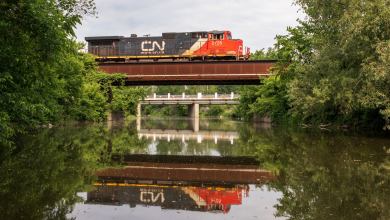
CN announced Monday it anticipates spending $355 million in 2022 to improve infrastructure in Illinois, Tennessee, Saskatchewan and New Brunswick.

Both Democrats and Republicans representing the Pacific Northwest say the creation of a ship-to-rail container port at the existing Port of Coos Bay could boost West Coast port capacity by as much as 10%.
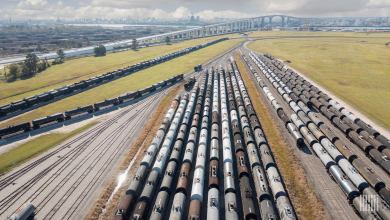
Amid soaring inflation and supply chain crunches, the United States’ key rail regulator has been mired in political antics.
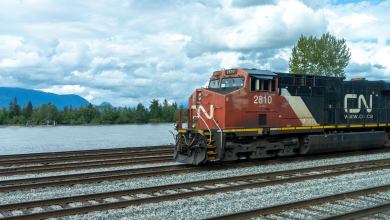
The railway’s recent 2022 capital investment announcement brings the total to nearly CA$1.7 billion (US$1.32 billion) for six Canadian provinces.