




Greg Miller
Thursday, October 15, 2020
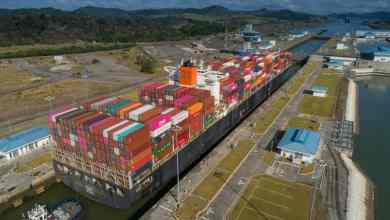
How Panama Canal navigated COVID, drought and trade war
Cargo mix and larger locks kept Panama Canal volumes rising despite headwinds.
Cargo mix and larger locks kept Panama Canal volumes rising despite headwinds.
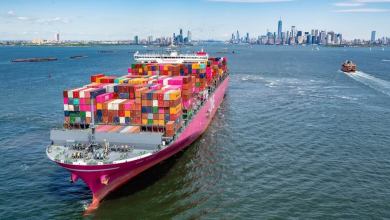
“Port partners are taking proactive steps to add more resources and service hours to support this untraditional peak cargo volume season.”
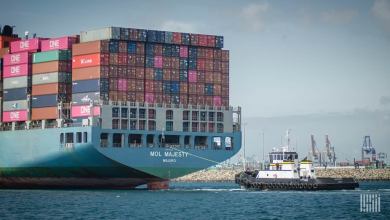
Port of Virginia gets $20.2 million for container yard expansion.
German container carrier now expects 2020 EBITDA of between $2.8 billion and $3.04 billion.

Intermodal containers arrived this week at North Dakota’s first and only intermodal facility in Minot.
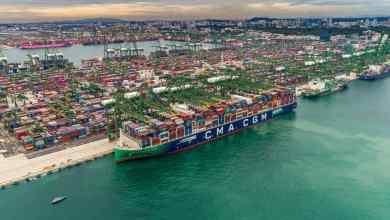
With two more major carriers actively sharing information, data on nearly half of the world’s ocean container cargo is now available on a single blockchain-based data platform
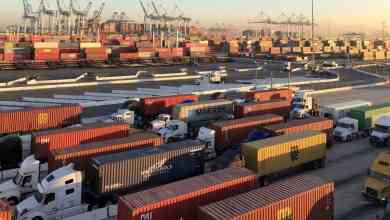
“Regardless of who wins the upcoming elections, our country is in desperate need of a cohesive export plan as well as an infrastructure program and a digitization strategy for ports across the country,” says Executive Director Gene Seroka.

A “blue sweep” win for Democrats could be good for container ships, bad for tankers.
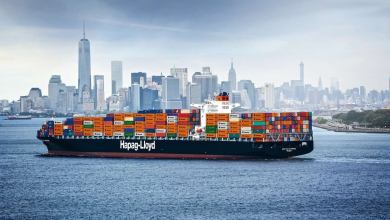
“If you go back a couple of months, nobody would have expected that demand would be as strong today as it is right now,” says CEO Rolf Habben Jansen.

The Canadian government will invest C$33.4 million in the inland Quebec port.
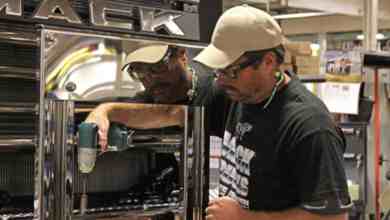
Denny Slagle retired as Volvo Group executive vice president and Mack Trucks president in 2018.
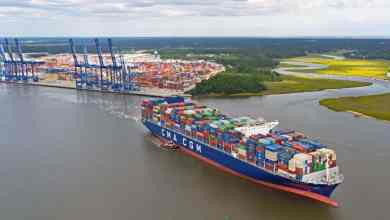
The Port of Charleston set a September record by handling 195,101 TEUs.
The U.S. Federal Maritime Commission will consider a change in its regulations that would allow filing of service contracts up to 30 days from the agreement’s effective date.
Listed carriers are poised to post stellar third-quarter numbers on higher rates and volumes.
The U.S. Federal Maritime Commission will consider the French liner carrier’s relief petition to give it time to clean up its systems.
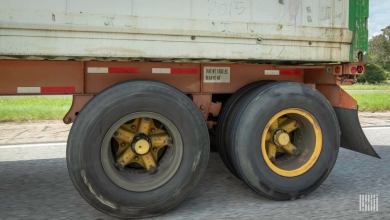
Container chassis management model in the U.S. challenges advancement of full-circle tracking technologies.
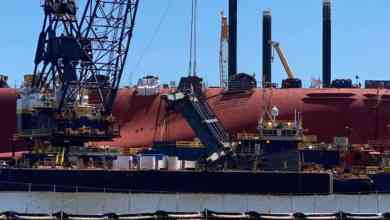
The ro-ro vessel that capsized leaving the Port of Brunswick in September 2019 will be cut into eight multi-ton sections.
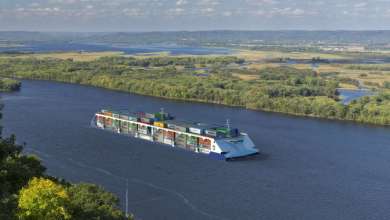
American Patriot Holdings is creating “a north-south trade lane from the Midwest to the lower Mississippi River that doesn’t exist today for containerized cargo.”

Banks, charterers, shipowners and governments want to clean up ocean transport. Not necessarily in the same way.
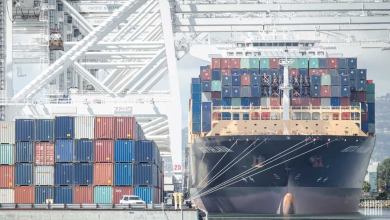
The U.S. Federal Maritime Commission wants to learn the extent of allegations that ocean carriers are targeting noncontracted service providers for freight payment.