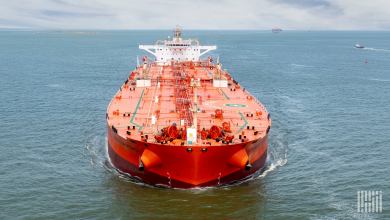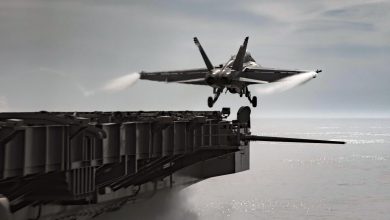
How safe is Red Sea? Different shipping lines have different answers
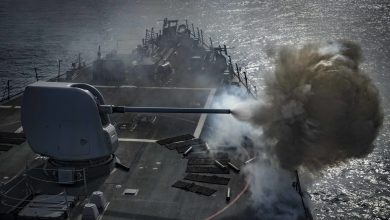
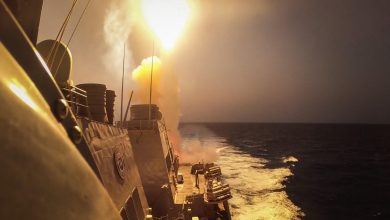
Shipping stocks are under pressure as some ocean carriers show faith in military protection from Red Sea attacks.
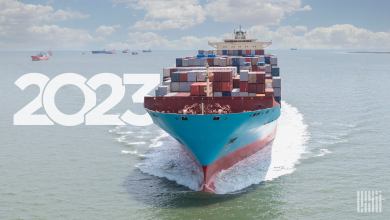

Ocean shipping kept the world’s cargo flowing amid two wars and disruptions at both the Panama and Suez canals.
Labor peace was won at what will be higher costs for shippers and carriers.
The key question for container shipping rates: How soon can Operation Prosperity Guardian woo traffic back to the Red Sea?
Importers and exporters are looking to air cargo as a way to bypass the dangerous Red Sea and minimize supply chain disruptions.
Mexican officials recently approved a $5 charge on containers moving through the Port of Ensenada.
The Port of New Orleans is receiving a $73.77 million federal grant to assist in building the $1.8 billion Louisiana International Terminal.
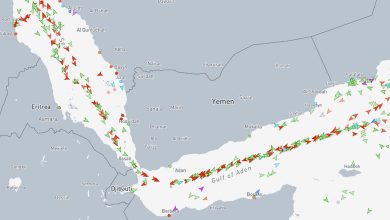
Container ships have forsaken the Red Sea route but many bulk commodity vessels continue to transit the danger zone.
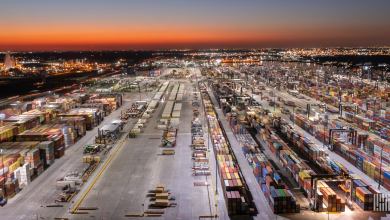
Cargo volumes were a mixed bag at Gulf Coast ports in November, with Houston reporting declines and New Orleans and Corpus Christi seeing gains.
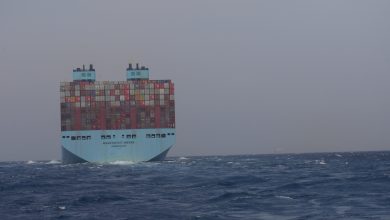
A growing number of ship operators are refusing to transit the Red Sea and taking a very long detour around Africa instead.
Container-ship route diversions — first to avoid the Panama Canal, now to avoid Red Sea chaos — could help offset rate pressure from newbuilding deliveries.
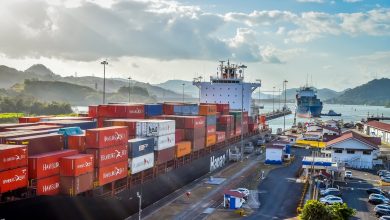
Panama’s drought initially affected transits through the smaller locks. The pain has now spread to the larger Neopanamax locks.
The threat to global shipping has grown following a Tuesday attack against a commercial vessel in the Red Sea with no apparent ties to Israel.
Greg Miller of FreightWaves took a top prize at this year’s Seahorse Awards for his coverage of how geopolitics intersects with shipping.
As war rages in Europe and the Middle East, a new flashpoint in South America could pose more complications for shipping.
Next year, U.S. importers must navigate canal restrictions, diversions from the Red Sea, more canceled sailings and, possibly, a port strike.
Imports have held up surprisingly well this year, but peak season’s end and canal restrictions are finally curbing volumes.
Maritime security firm Ambrey has expanded an advisory to vessels in the Red Sea and Gulf of Aden, warning that rebels could be using outdated data to plan attacks.
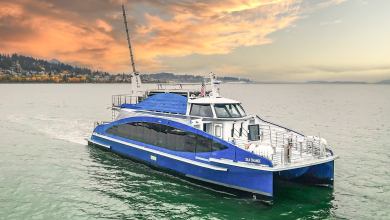
Hydrogen as a fuel is being used in a San Francisco ferry and now it has money to go farther.
U.S. crude exports have never been higher. Overseas buyers are incentivizing American producers to pump more “black gold.”