




Joanna Marsh
Wednesday, December 4, 2019
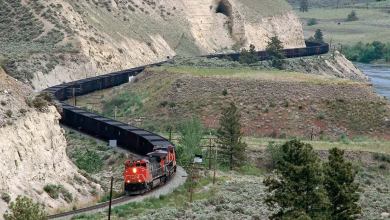
Canadian National wins coal contract from Canadian Pacific
Teck Resources opts not to renew 10-year deal for the transport of metallurgical coal.
Railroads continue to play a significant role in North America’s economic infrastructure. According to the U.S. Department of Transportation Federal Railroad Administration, the U.S. rail freight network covers almost 140,000 route miles and is generally considered the largest, safest, and most cost-efficient freight system in the world. In addition, says the FRA, the almost $80 billion rail freight industry creates more than 167,000 jobs across the country.
In essence, rail freight companies charge businesses to carry cargo across their network of rails. Their rates are overseen by the Surface Transportation Board, a federal agency that regulates financial aspects of surface transportation. Major railroads in North America include Union Pacific Railroad, BNSF Railway, CSX, Norfolk Southern, Canadian Pacific Kansas City and Canadian National Railway.
Keep up with the latest news, trends and reports concerning rail freight transport here!
Teck Resources opts not to renew 10-year deal for the transport of metallurgical coal.

The rail regulatory agency says the changes would help make the rate review process more accessible and transparent.
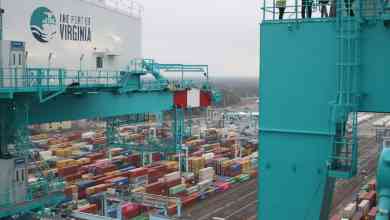
Expanding truck appointment system and new lanes credited for fast moves as port readies for dredging

Railway Age reports NS wants to double-stack its trains as they move through Pittsburgh, but residents in the north side of the city are stacking up arguments and fighting back.

French workers are demonstrating for reforms in their pension plan, leading to a protest that will see most employees of transport companies strike beginning on Dec. 5.
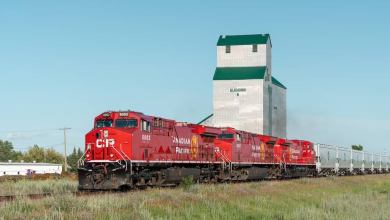
The railway attributes the record to its high efficiency train model and to collaboration with supply chain participants.

The changes come as the railroad deploys precision scheduled railroading.
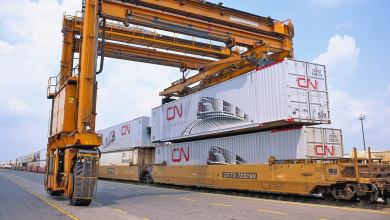
CNl estimates eight-day disruption will trim C$0.15 per share from profits as CEO assures that recovery plan is “delivering results.”

Market Expert David Faulkenberry writes about the increasingly important “final mile” and why estimates of its size vary so widely.
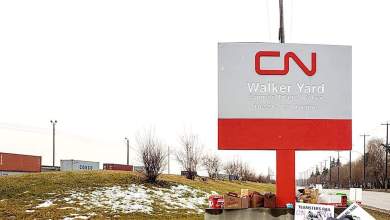
Canadian SONAR data show that trucks helped fill the void as rail capacity left the market – and then got a nice bump as it returned.
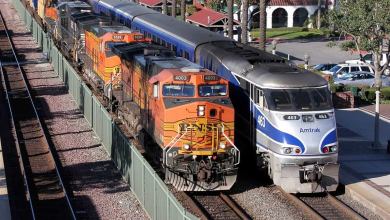
Shippers need to take heed of the Congressional push to allow Amtrak to sue freight railroads over on-time performance.
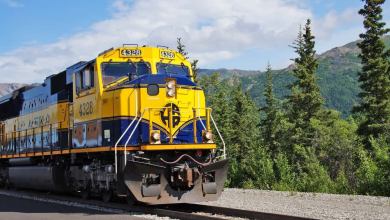
The notice of proposed rulemaking pertains to training for Class II and Class III rail employees.
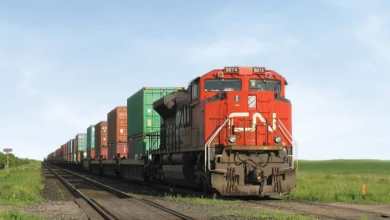
North American Class I carloads increased year-over-year in week 47 on a favorable comp. The prior four-week average remains weak.
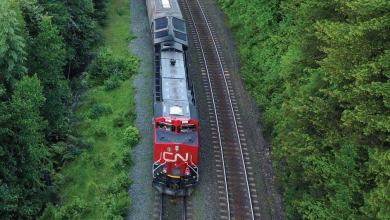
CN CEO said railway is focusing on safety as it resumes normal operations after eight-day strike that rippled across Canada’s rail supply chain.
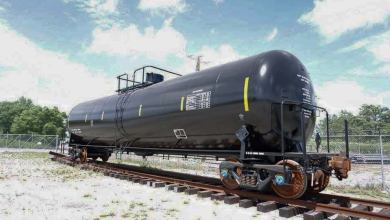
CRRC Yangtze Co. Ltd., owner of 22% of Vertex, claims nearly all of the debt listed in the petition filed in U.S. Bankruptcy Court in Delaware.
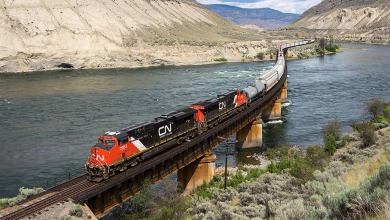
The implementation of Positive Train Control is the largest technology program deployed in CN history and they are already ahead of the game
Jim Blaze writes about the power and influence of mentors on a person’s career and life.

Normal rail service to resume on Nov. 27, ending a week-long strike that has shaken Canada’s supply chain.

Headcount within U.S. Class I rail operations tumbles amid declining rail volumes and the deployment of precision railroading.

Federal Minister of Agriculture suggests government would consider back-to-work legislation or binding arbitration for striking Teamsters members as disruption brings 37% in drop in Canadian National revenue ton-miles and worsening supply-chain conditions across the country.