Canadian Pacific acquiring Central Maine & Quebec
In two unrelated announcements on Nov. 20, CP lays out plans to deepen network capacity.
Railroads continue to play a significant role in North America’s economic infrastructure. According to the U.S. Department of Transportation Federal Railroad Administration, the U.S. rail freight network covers almost 140,000 route miles and is generally considered the largest, safest, and most cost-efficient freight system in the world. In addition, says the FRA, the almost $80 billion rail freight industry creates more than 167,000 jobs across the country.
In essence, rail freight companies charge businesses to carry cargo across their network of rails. Their rates are overseen by the Surface Transportation Board, a federal agency that regulates financial aspects of surface transportation. Major railroads in North America include Union Pacific Railroad, BNSF Railway, CSX, Norfolk Southern, Canadian Pacific Kansas City and Canadian National Railway.
Keep up with the latest news, trends and reports concerning rail freight transport here!
In two unrelated announcements on Nov. 20, CP lays out plans to deepen network capacity.
U.S. rail volumes continue to slip as rail executives see muted peak season.
The strike, coupled with and trade uncertainty, could hit businesses hard, groups say.
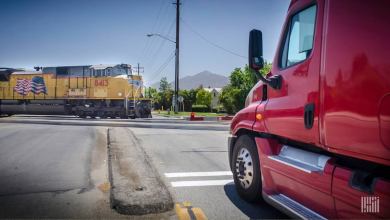
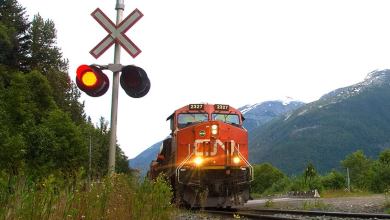
The Federal Railroad Administration is proposing all states address highway-rail grade crossing safety.
Remaining employees will complete the final order before decommissioning equipment at the facility.
The railway is confident that the momentum to deploy technology initiatives will continue.
Jim Blaze writes about the Alameda Corridor in Los Angeles, that takes some of the freight from the harbor to distribution centers. Is it still economically viable?
Federal minister urges Canadian National and Teamsters to reach agreement as walkout by 3,200 conductors, transpersons and yard workers continues.
Talks have been ongoing for seven months. Staffing levels appear to be a key issue.
The railway cited challenging economic headwinds and could release up to 1,600 employees.
The initiative is part of a broader push to limit diesel emissions from freight facilities.
U.S. rail volumes have been trending lower all year.
Jim Blaze writes about the North American railroads KPIs, and what the railroads need to do to increase railcar use, revenue and shipper loyalty.
Gregg Mitchell promoted to new role after serving as chairman for Trinity’s highway products and logistics group.
The regulatory agency for rail receives a flurry of feedback on rail rate reasonableness and demurrage and accessorial charges.
Hunt thinks that an additional 7 to 11 million loads per year could shift from the highway to intermodal.
Advent Intermodal is seeking to increase transparency along the Panama “land bridge” between the coasts.
TrinityRail has two new railcars: the Hourglass™ and the TrinFlo™.
The railway hauled record grain and grain products volumes in October.
For anyone in and around the Corn Belt in 2019, the lasting effects of this spring’s flooding are still front and center in everyone’s mind. The economy has been impacted as two of the area’s largest industries have been hit the hardest – agriculture and transportation. Farming and freight are indelibly tied in this part […]