




Mark Solomon
Tuesday, October 22, 2019
Railroads face major challenges to jump-start their intermodal business
Railroads face an uphill battle in elevating their intermodal business.
Railroads continue to play a significant role in North America’s economic infrastructure. According to the U.S. Department of Transportation Federal Railroad Administration, the U.S. rail freight network covers almost 140,000 route miles and is generally considered the largest, safest, and most cost-efficient freight system in the world. In addition, says the FRA, the almost $80 billion rail freight industry creates more than 167,000 jobs across the country.
In essence, rail freight companies charge businesses to carry cargo across their network of rails. Their rates are overseen by the Surface Transportation Board, a federal agency that regulates financial aspects of surface transportation. Major railroads in North America include Union Pacific Railroad, BNSF Railway, CSX, Norfolk Southern, Canadian Pacific Kansas City and Canadian National Railway.
Keep up with the latest news, trends and reports concerning rail freight transport here!
Railroads face an uphill battle in elevating their intermodal business.
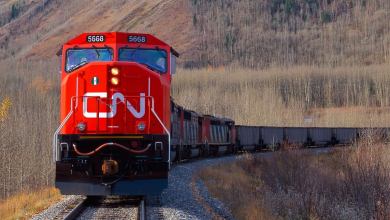
Despite lowering its operating ratio, the railroad tempers its 2019 outlook.
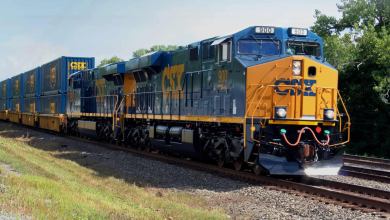
Jim Blaze explains the new CSX trip compliance reporting… perhaps the first step for railroads to compete more effectively with the trucking industry.

The rail equipment manufacturer sees high utilization rate but says economy faces uncertainty.

Coal production in the region could fall significantly in 2020, affecting rail volumes.

LNG export proposal immediately slammed by Democrat lawmakers.

The Port of Long Beach saw a slide in container volumes arrested in September and hopes to attract more cargo with incentives.

Company eyes cross-border volume growth and efficiency improvements.
A wide-ranging roundtable discussion on the implementation of precision railroading will highlight FreightWaves Radio on SiriusXM Road Dog Trucking the weekend of Oct. 19-20. The show will bring together two independent observers of the rail industry: John Schmitter, with the firm of KEP LLC, will be joined by longtime rail economist and writer Jim Blaze […]

Japan’s freight industry is set for a downturn on the back of declining economies in the U.S., China and the Eurozone, new research reveals.

With U.S. rail volumes still slumping, the Class I railroads wondered in third-quarter earnings calls when the downward trend would end.

Rationalizing additional network assets is still a possibility in 2020.

The eastern U.S. railroad declined to share its expectations for 2020 but said it would be prepared should rail volumes rebound.
Government initiatives are encouraging the freight rail sector to address cyber threats. But what else needs to be done?
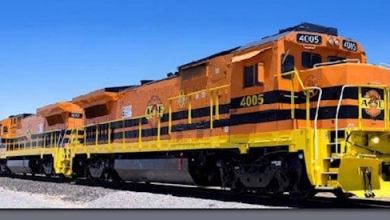
Market View commentator Jim Blaze writes about the advantages short line railroads offer to shippers.

Kristy Knichel keeps a level head while growing the business her father started.
Now Goldman thinks that ISM data won’t turn positive until Q2 2020.
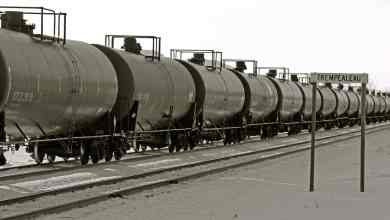
Reports have been surfacing that the Alberta government could grant more crude-by-rail contracts.
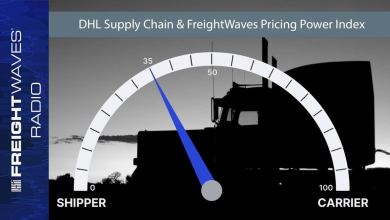
What’s next at FMCSA after Ray Martinez departs? Tune in to FW Radio.
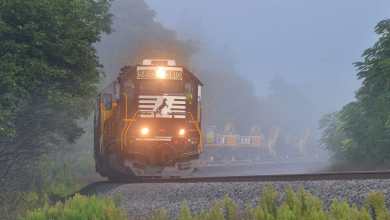
With U.S. rail volumes slumping in the third quarter, can PSR soften that blow to the rail’s bottom line?