




Joanna Marsh
Thursday, September 5, 2019
Economic sluggishness pulls U.S. rail volumes lower
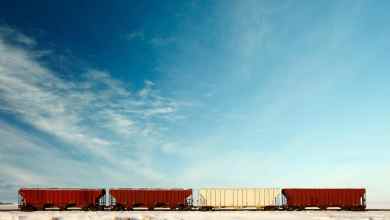
Weakness in the manufacturing sector is dragging U.S. rail volumes lower, AAR says.
Railroads continue to play a significant role in North America’s economic infrastructure. According to the U.S. Department of Transportation Federal Railroad Administration, the U.S. rail freight network covers almost 140,000 route miles and is generally considered the largest, safest, and most cost-efficient freight system in the world. In addition, says the FRA, the almost $80 billion rail freight industry creates more than 167,000 jobs across the country.
In essence, rail freight companies charge businesses to carry cargo across their network of rails. Their rates are overseen by the Surface Transportation Board, a federal agency that regulates financial aspects of surface transportation. Major railroads in North America include Union Pacific Railroad, BNSF Railway, CSX, Norfolk Southern, Canadian Pacific Kansas City and Canadian National Railway.
Keep up with the latest news, trends and reports concerning rail freight transport here!
Weakness in the manufacturing sector is dragging U.S. rail volumes lower, AAR says.

Grain shippers wonder if the Canadian railways will keep up with demand in the 2019-20 crop year.
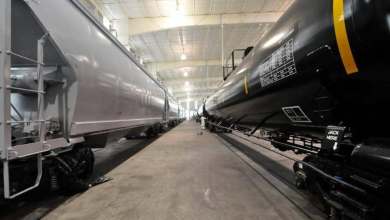
With rail traffic lower year-over-year and PSR initiatives in full swing, it’s understandable that soft railcar demand attracted attention at an investor conference.
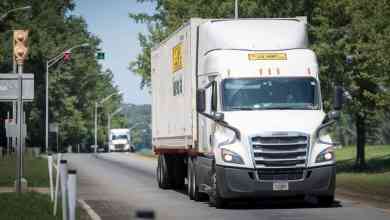
The outlook from JBHT was notably better than the concern around the lack of an uptick in seasonal demand that many carriers expressed at multiple investor conferences in May and June.

Slumping coal demand, trade wars and a competitive truck market are weighing on rail volumes for the remainder of the year.

The railroads say customers should expect delays and rerouting because of the hurricane

Market Voice Jim Blaze contents that railroads are using the wrong KPIs to increase volume and capture market share from trucks.
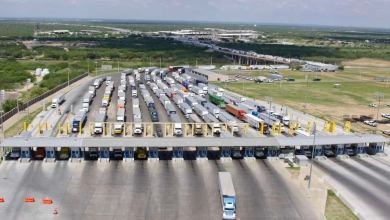
Cross-border truck freight with Mexico dipped 1 percent in June, compared to the same period in 2018, according to recent data from the U.S. Department of Transportation’s Bureau of Transportation Statistics released last week. The new data reported that trans-border trucks carried freight totaling $66 billion for the month of June, with trucks accounting for […]
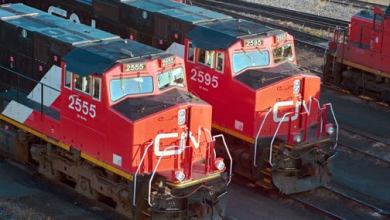
The line serves communities in western New York and eastern Canada near the St. Lawrence River.
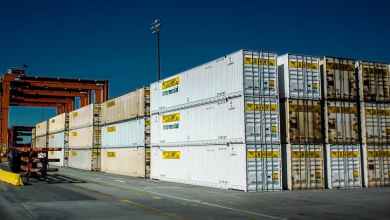
J.B. Hunt imposes peak season intermodal surcharge to recoup costs of returning empties
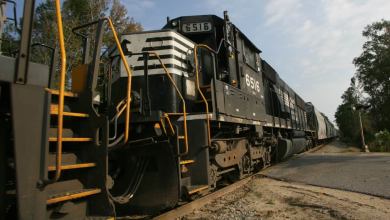
The new appointments could indicate how the companies are preparing to respond to future market trends.
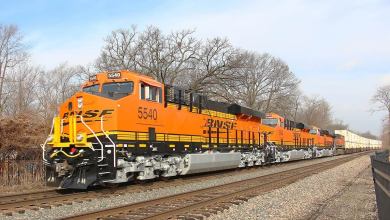
Year-to-date U.S. rail volumes are still slumping this year, due in part to a competitive truck market for intermodal shipments.
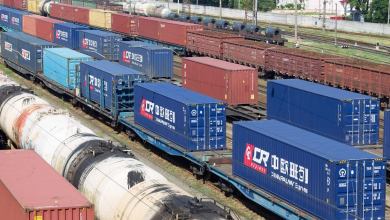
Several intermodal containers on trains running between China to Europe run empty due to lack of exporter demand for capacity.
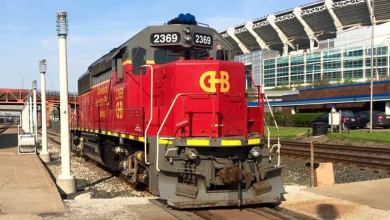
The acquisition seeks to build upon the company’s rail assets in Ohio and expand its presence into the Port of Cleveland.
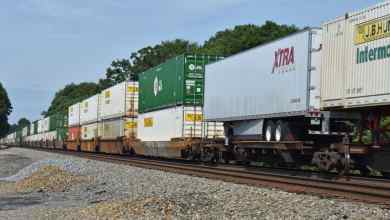
Market Voice Jim Blaze writes about rail intermodal and what is happening to this area of the railroad sector.

It takes a year of advance planning and up to 10 loads to move a single monster turbine.
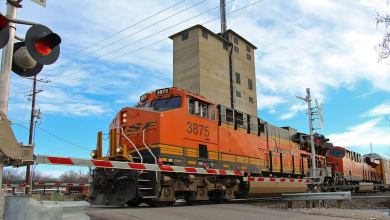
The railroad contends the Interstate Commerce Commission Termination Act and the Federal Railroad Safety Act preempt Oklahoma’s law.

The summer doldrums were broken violently by an escalation in the U.S.-China trade war and tweets

Trucking stands to gain, rail to lose if project moves forward.

Using data from FreightWaves SONAR, economist Ibrahiim Bayaan writes about the state of the U.S. retail market and what is ahead for this key sector.