Another LNG nail in coal’s coffin?
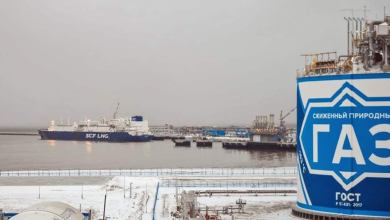
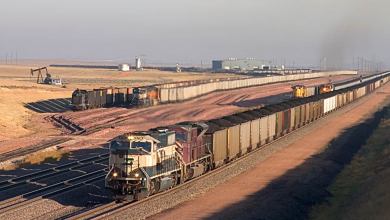
Final investment decisions for new global LNG export plants are surging, a negative for future thermal coal demand.
Railroads continue to play a significant role in North America’s economic infrastructure. According to the U.S. Department of Transportation Federal Railroad Administration, the U.S. rail freight network covers almost 140,000 route miles and is generally considered the largest, safest, and most cost-efficient freight system in the world. In addition, says the FRA, the almost $80 billion rail freight industry creates more than 167,000 jobs across the country.
In essence, rail freight companies charge businesses to carry cargo across their network of rails. Their rates are overseen by the Surface Transportation Board, a federal agency that regulates financial aspects of surface transportation. Major railroads in North America include Union Pacific Railroad, BNSF Railway, CSX, Norfolk Southern, Canadian Pacific Kansas City and Canadian National Railway.
Keep up with the latest news, trends and reports concerning rail freight transport here!
Final investment decisions for new global LNG export plants are surging, a negative for future thermal coal demand.
Can carload rail become a volume and market share leader in today’s emerging high-tech freight logistics world? Or will it continue to exhibit a declining role?
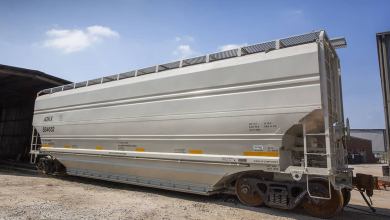
The railcar manufacturer says the covered hoppers are shorter but enable faster grain discharges.
This week’s addition of intermodal volume data to our SONAR platform brings us one step closer to having price, volume, and capacity for all modes of transport including air cargo, trucking, inland waterways (barge), ocean and rail.
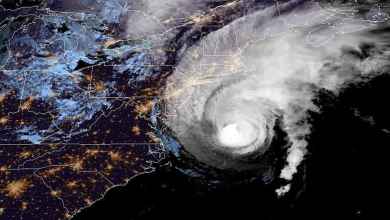
U.S. ports will see a rush of ships as they reopen, but Bahamas port sees severe damage.
Trinity Industries announced that Chief Executive Officer and President Timothy R. Wallace plans to retire as soon as a replacement is found.
The two railroads said customers should expect delays and possible rerouting.
The decline in U.S. coal production could cost the railroads billions in lost revenue.
Delays, diversions and weekend gates as ports get back to normal schedules.
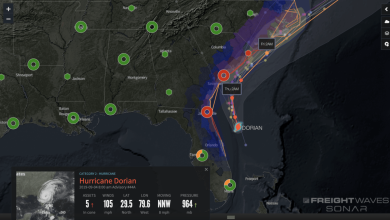
SONAR provides real-time data on Dorian’s progress and forecast, along with likely and actual impacts to transportation and energy infrastructure.
Weakness in the manufacturing sector is dragging U.S. rail volumes lower, AAR says.
Grain shippers wonder if the Canadian railways will keep up with demand in the 2019-20 crop year.
With rail traffic lower year-over-year and PSR initiatives in full swing, it’s understandable that soft railcar demand attracted attention at an investor conference.
The outlook from JBHT was notably better than the concern around the lack of an uptick in seasonal demand that many carriers expressed at multiple investor conferences in May and June.
Slumping coal demand, trade wars and a competitive truck market are weighing on rail volumes for the remainder of the year.
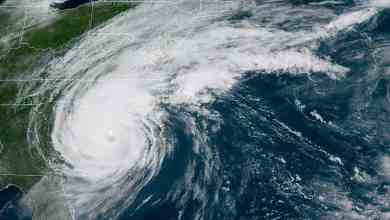
The railroads say customers should expect delays and rerouting because of the hurricane
Market Voice Jim Blaze contents that railroads are using the wrong KPIs to increase volume and capture market share from trucks.
Cross-border truck freight with Mexico dipped 1 percent in June, compared to the same period in 2018, according to recent data from the U.S. Department of Transportation’s Bureau of Transportation Statistics released last week. The new data reported that trans-border trucks carried freight totaling $66 billion for the month of June, with trucks accounting for […]
The line serves communities in western New York and eastern Canada near the St. Lawrence River.
J.B. Hunt imposes peak season intermodal surcharge to recoup costs of returning empties