




Greg Miller
Wednesday, July 24, 2019
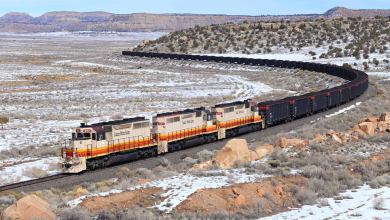
Switch to gas to accelerate, slashing U.S. coal demand
Low pricing will speed up Europe’s transition from coal to gas, according to Morgan Stanley.
Railroads continue to play a significant role in North America’s economic infrastructure. According to the U.S. Department of Transportation Federal Railroad Administration, the U.S. rail freight network covers almost 140,000 route miles and is generally considered the largest, safest, and most cost-efficient freight system in the world. In addition, says the FRA, the almost $80 billion rail freight industry creates more than 167,000 jobs across the country.
In essence, rail freight companies charge businesses to carry cargo across their network of rails. Their rates are overseen by the Surface Transportation Board, a federal agency that regulates financial aspects of surface transportation. Major railroads in North America include Union Pacific Railroad, BNSF Railway, CSX, Norfolk Southern, Canadian Pacific Kansas City and Canadian National Railway.
Keep up with the latest news, trends and reports concerning rail freight transport here!
Low pricing will speed up Europe’s transition from coal to gas, according to Morgan Stanley.
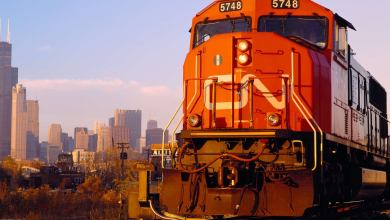
There is some uncertainty for commodities such as grain, lumber, coal and crude, but Canadian National (NYSE: CNI) leaders are “cautiously optimistic” about volumes and how the company might perform in the second half of the year.

Norfolk Southern’s (NYSE: NSC) second quarter net profit rose slightly as the company prepared to launch the next phase in its new precision scheduled railroading (PSR) operating model. Net profit increased 2 percent to $722 million in the second quarter compared with the same period in 2018. Diluted earnings per share were $2.70 in the […]
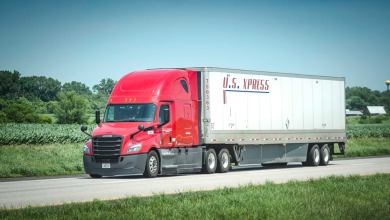
Schneider wins award for security excellence, while US Xpress honored as carrier of the year by FedEx Ground
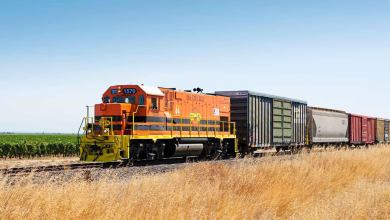
The U.S. Surface Transportation Board (STB) is seeking public comments on Brookfield Asset Management’s proposed acquisition of shortline operator Genesee & Wyoming. Broofield announced plans to acquire GWR earlier this month in a deal valued at $8.4 billion.
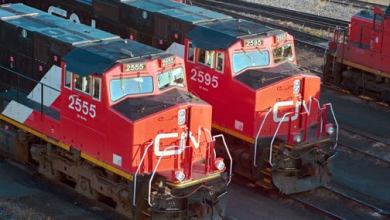
Canadian National (NYSE: CNI) reported increases in net profit and revenue in the second quarter of 2019, with its acquisition of trucking and transportation provider TransX providing both higher revenue and costs.
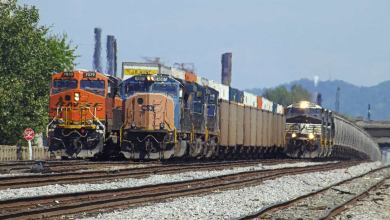
U.S. railroads had fewer employees on their payroll in June amid lower rail volumes overall and company decisions to trim workforce levels as part of changes to their operating models.
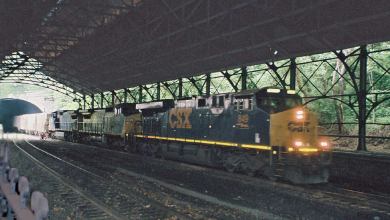
Maryland Governor Larry Hogan (R) said Maryland has received a $125 million federal grant that the state hopes will lead to an expanded rail tunnel in Baltimore to allow for taller trains to travel to the Port of Baltimore.
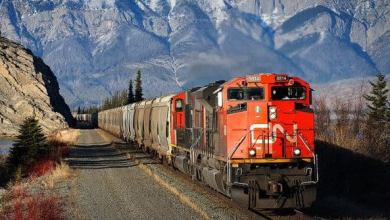
Jim Blaze writes about the pros and cons of shippers owning or leasing their own freight railcars to move their products.
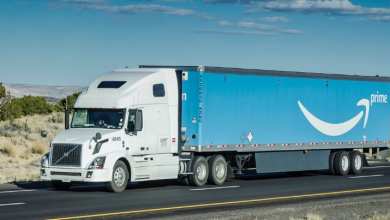
Ecommerce continues to grow and Amazon and its competitors continue to innovate and grow. Read insight into the phenomenon by Anothy Smith.
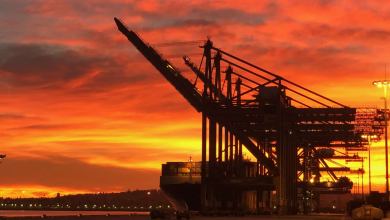
Fenix Marine Services aims to make faster dwell and truck turns the capstone of a nearly two-year project to upgrade the second largest marine terminal in Los Angeles. Fenix is partnering with logistics technology provider Blume Global and artificial intelligence vendor SavantX to develop an expedited terminal service offering for customers retrieving containers. Fenix’s Pier […]

West Virginia may look to sell an intermodal port that it developed, but which has failed to generate the expected level of freight volumes. The state’s Port Authority developed the Heartland Intermodal Gateway, a $30 million project funded by state and federal government grants. Earlier this month, the authority voted to allow the facility to […]
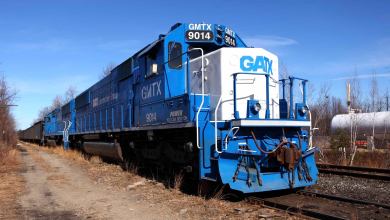
While investing in the North American railcar market is risky right now because the market is so uncertain, Europe and India are among the places where there are “attractive’ opportunities to invest in railcars, officials with railcar lessor GATX said on the company’s second quarter earnings call on July 17.
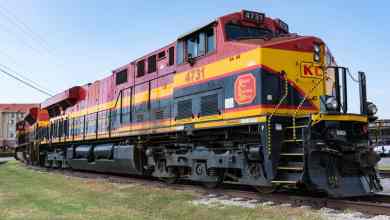
The railroad said second quarter revenue totaled $714 million, a 5 percent increase from $682 million for the same period in 2018.
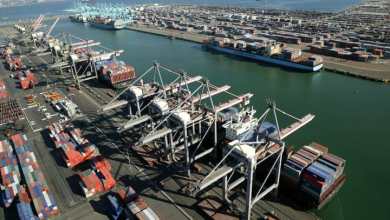
APM Terminals reached a deal with the longshore union at the Port of Los Angeles to retrain dock workers in repairing the automated cargo handling equipment that will take their jobs. The deal further paves the way for the Maersk subsidiary to start a project to install electrical charging stations and to make other upgrades […]

“You’ve heard me say this many, many times – we’re not going to use the lack of volume as an excuse not to make aggressive achievements on our productivity,” Union Pacific chief financial officer Rob Knight said.

Heat wave spreading across dozens of states
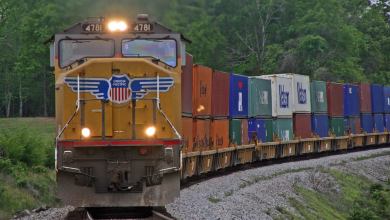
Union Pacific set an all-time record for its operating ratio in the second quarter despite lower freight volumes and a decline in freight revenue.
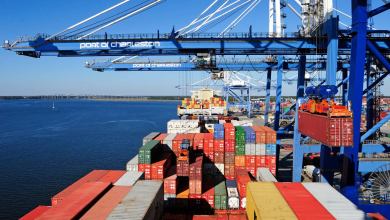
The South Carolina Port Authority (SCPA) said ocean container moves were up 9 percent in its fiscal year, setting a volume record for the port. The Port of Charleston’s two main container terminals, Wando Welch and North Charleston, saw 2.4 million twenty-foot equivalent units (TEU) in container moves last year. The region’s freight moves represent […]
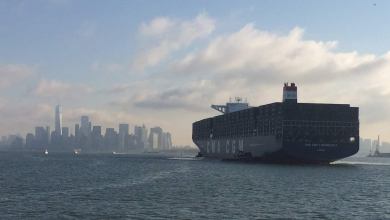
Sudden surge in marine fuel costs could spur shippers to consider switch to California over Panama Canal route.