CSX facing class action lawsuit over Kentucky derailment
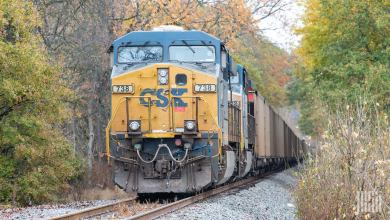
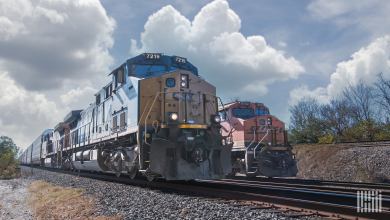
CSX is facing a class action lawsuit over the sulfur dioxide that was released into the air when a train derailed in eastern Kentucky the day before Thanksgiving.
Railroads continue to play a significant role in North America’s economic infrastructure. According to the U.S. Department of Transportation Federal Railroad Administration, the U.S. rail freight network covers almost 140,000 route miles and is generally considered the largest, safest, and most cost-efficient freight system in the world. In addition, says the FRA, the almost $80 billion rail freight industry creates more than 167,000 jobs across the country.
In essence, rail freight companies charge businesses to carry cargo across their network of rails. Their rates are overseen by the Surface Transportation Board, a federal agency that regulates financial aspects of surface transportation. Major railroads in North America include Union Pacific Railroad, BNSF Railway, CSX, Norfolk Southern, Canadian Pacific Kansas City and Canadian National Railway.
Keep up with the latest news, trends and reports concerning rail freight transport here!
CSX is facing a class action lawsuit over the sulfur dioxide that was released into the air when a train derailed in eastern Kentucky the day before Thanksgiving.
Union Pacific is seeking to beef up its intermodal offerings via a terminal in Phoenix and the addition of destinations for its on-dock rail service at Port Houston.
Will Congress pass any rail safety bills before 2023 ends? One consultant thinks the answer is probably no.
Genesee & Wyoming subsidiary Rail Link has secured five new contracts since September, the private short-line operator recently announced.
Next year’s transportation environment is expected to see gains in three key areas: service, sustainability and technology. Rail has made strides in all three, making it a viable, affordable option for shippers.
A failed wheel bearing may have caused the derailment of a CSX train in Kentucky last week.
Using technology to assess adverse weather impacts in real time and working with other railroads to adopt best practices were two of the Federal Railroad Administration’s recommendations.
EPA’s proposal to consider mandating air pollution reporting could place new burdens on rail yards and rail carriers, critics say.
A CSX train carrying molten sulfur derailed and caught fire on Wednesday north of Livingston, Kentucky, prompting a voluntary evacuation and state of emergency declaration.
In light of the numerous comments that the Surface Transportation Board received on its proposed reciprocal switching rule, the board has extended a deadline for additional feedback by two weeks.
Mexico orders private freight rail companies to prioritize passenger service over their normal freight operations.
Belgium-based logistics provider Katoen Natie is expanding warehousing and rail facilities at its Norfolk, Virginia, operations, to support the export market for plastic resins.
J.B. Hunt and BNSF Railway are heralding a new era in freight transport with an intermodal partnership called Quantum. With it, they hope to add enough value to win market share from truckload freight.
A leading industry conference in New York about the state of railroads was unusually positive this year.
Despite a 22% volume decline year over year, the Port of Savannah had its fourth-busiest October, according to the Georgia Ports Authority.
Outgoing STB Chair Martin Oberman had harsh words for Union Pacific at the RailTrends conference.
Executives with CSX, Union Pacific and Norfolk Southern at recent investor conferences listed some of the ways they expect to improve rail service.
After serving one five-year term on the Surface Transportation Board, Chairman Marty Oberman has decided against seeking reappointment.
Two sites in Iowa and one in Kansas have been added to BNSF’s certified sites list for locations that are primed for industrial development and near BNSF’s rail network.
Dozens of industry stakeholders, from individual Class I railroads to multiple shipper groups to the trade unions, offered their input on what’s wrong and what’s right about the Surface Transportation Board’s proposed rulemaking on reciprocal switching.