Playbook: Compliance & Safety

Rob Carpenter Thursday, February 20, 2025

Interlining Freight vs. Freight Brokering

Interlining freight and freight brokering are two often misunderstood functions in transportation. While both involve coordinating freight movement, the distinctions in responsibility, regulatory requirements, and legal compliance are significant.

This article talks about how interlining carriers work together to complete shipments across multiple legs, sharing liability and direct transport duties. It also breaks down how freight brokers facilitate shipments without ever taking possession of cargo and why they must hold FMCSA broker authority and a $75,000 surety bond.

With FMCSA cracking down on unauthorized brokering, understanding the legal and operational differences is crucial for carriers, brokers, and shippers.

Read More »
Rob Carpenter Monday, February 17, 2025

Breaking Down FMCSA’s Medical Certification Extension. What You Need to Know Before the June Deadline

FMCSA’s Medical Examiner’s Certification Integration rule aims to streamline medical certification by digitizing the process, but delays have pushed full implementation to June 23, 2025. Until then, CDL and CLP holders must continue submitting paper copies of their Medical Examiner’s Certificate (MEC) to state licensing agencies, and motor carriers must verify compliance manually.

Failure to maintain a valid MEC can result in a CDL downgrade, putting drivers’ jobs at risk and exposing fleets to compliance violations. Staying informed and following FMCSA updates is crucial to ensuring a smooth transition when the new system goes live.

Read More »
Rob Carpenter Monday, February 17, 2025

When Towing Becomes Predatory

What should be a simple recovery or tow process has become an industry crisis. With predatory towing companies exploiting trucking fleets through excessive fees, cargo ransoms, and impound scams. Carriers often have no say in which towing company is called, leading to inflated invoices, trucks held hostage, and financial strain.

From $202,000 tow bills to $10,000 “ransom” demands for cargo release, these practices are draining the industry. Fleets must take proactive steps to build relationships with reputable tow providers, training drivers to document incidents, and challenging inflated invoices to protect themselves. Until stronger regulations are in place, carriers that don’t fight back are setting themselves up to lose.

Read More »
Rob Carpenter Monday, February 17, 2025

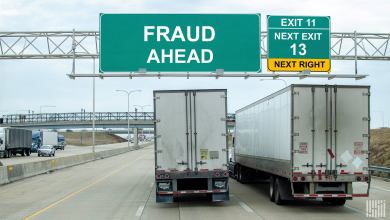
Fighting Back Against Truck Accident Fraud and Why Visibility Matters

The trucking industry is under attack from rising insurance costs, cargo theft, and nuclear verdicts. Now, fraudulent staged accidents have emerged as another costly threat, orchestrated by criminal networks to exploit insurance claims and extract massive settlements. Cases like “Operation Sideswipe” in New Orleans and similar schemes in New York have cost the industry hundreds of millions of dollars.

Adding to the crisis is third-party litigation financing (TPLF), where private investors bankroll lawsuits, driving up the frequency of multi-million-dollar verdicts against carriers. However, fleets are fighting back with AI-powered dashcams from companies like Motive, providing real-time visibility, GPS tracking, and data-backed defenses against fraudulent claims.

This article talks about how dashcams are shifting the landscape, preventing staged accidents, disproving false liability claims, and helping carriers build defensible compliance programs. Read on to learn how visibility, data, and technology can protect your fleet from fraud and exposure.

Read More »
Rob Carpenter Friday, February 14, 2025

Why Compliance is Key to Staying in Business and How FMCSA Scoring Impacts Fleets

Compliance might be about avoiding fines but it’s more about protecting your fleet, securing business, and staying in business. A poor FMCSA safety rating can lead to lost revenue, higher insurance premiums, and even an Unsatisfactory Rating and shutdown. With new Safety Measurement System (SMS) changes ahead, fleets must actively manage their compliance records to avoid increased scrutiny.

Staying ahead of FMCSA regulations is the only way to ensure long-term profitability and operational stability.

Read More »